8,000-year-old pottery shards reveal ancient Mesopotamians understood maths before numbers invented
Decoration of pottery and seals in Halafian culture reflects high level of mathematical awareness, study says
An 8,000-year-old pottery vessel has revealed that Mesopotamians were using mathematics years before numbers and writing were invented, according to a recent study.
Up until now, the first records of written numbers emerged in what is now Iraq around 3400BC by the Sumerians.
But researchers have found that people in the same region had a sophisticated level of mathematical cognition much earlier.
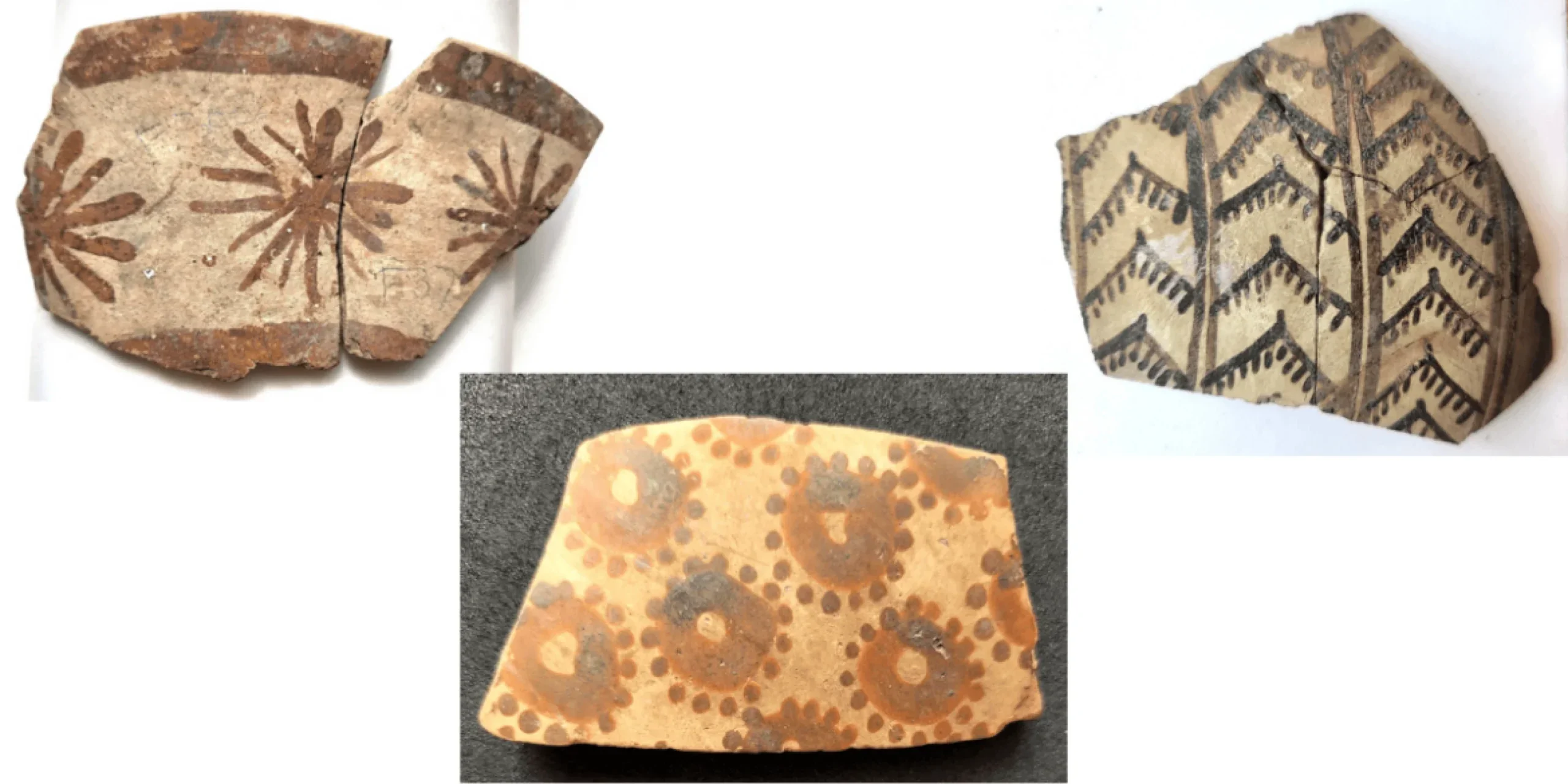
The study dives into the paintings of plant images by the Halafian culture, which lived in northern Mesopotamia between about 6200 and 5500 BC. They were some of the world’s earliest farming communities.
Analysis of the community’s ancient pottery showed petals and patterns served as the fundamental numerics of symmetry and repetition.
Many bowls featured flowers which had four, eight, 16, 32 or 64 petals, which form a “geometric sequence”, thus implying mathematical reasoning.
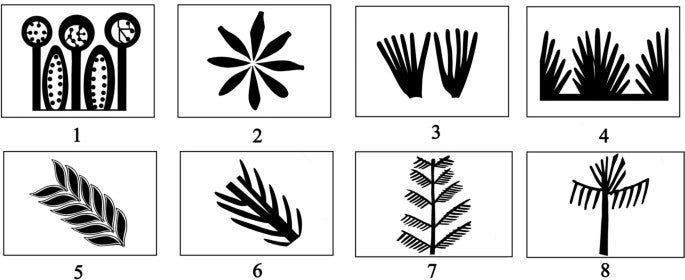
The researchers argued that the development of mathematical thinking created a “a cognitive awareness of the symmetry evident in the vegetal world”, which is why flowers, shrubs, branches and trees were depicted on the pottery.
Yosef Garfinkel, professor of Prehistoric Archaeology at the Hebrew University of Jerusalem – and the study’s author – wrote: “The decoration of pottery and seals in the Halafian culture reflects a high level of mathematical awareness.
“This should not surprise us, as by the late 6th and early 5th millennia BC, early village communities had existed in the Near East for some 4,000 years and had reached a high level of economic complexity.”
The researchers examined thousands of pottery fragments collected from 29 archaeological sites in order to track exactly when plants first became a regular subject in human art. They also wanted to observe whether these images followed any consistent rules.
“These developments are reflected in the large number of domesticated plants and animals, widespread pyrotechnology of pottery manufacture, and large architectural units of courtyard houses,” Mr Garfinkel said.
The study is published in the Journal of World Prehistory.
Join our commenting forum
Join thought-provoking conversations, follow other Independent readers and see their replies
Comments
Bookmark popover
Removed from bookmarks