Only five critical Palestinian patients let out of Gaza after Israel reopens Rafah crossing with Egypt
Thousands are awaiting medical treatment, and some are dying while they wait to get it
Just five Palestinians in critical condition have been allowed through the Rafah Crossing for treatment after Israel reopened it on Monday.
Reports had suggested Israel would permit 50 patients accompanied by two relatives to exit the enclave every day, but so far only a fraction appear to have been allowed passage.
The reopening was hailed as a significant step forward in implementing the second part of the US-brokered ceasefire agreement between Israel and Hamas last year.
Over 18,000 injured and wounded people are awaiting medical attention, according to the World Health Organisation (WHO), while the Ministry of Health estimates the number is over 20,000. Unicef said over 3,000 of those are children.
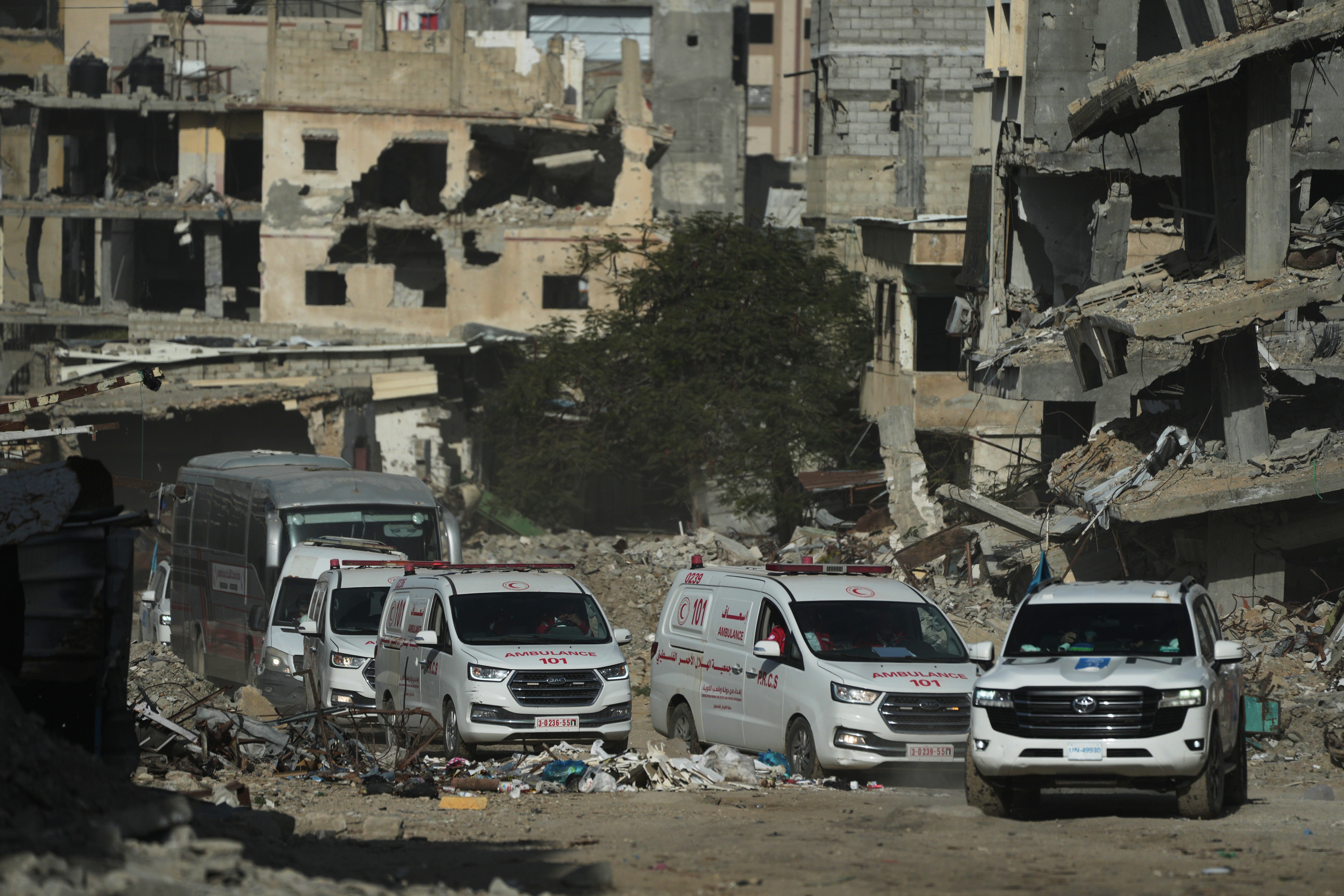
Of the thousands reportedly waiting to return to Gaza, around 12 were allowed back in, while 38 did not make it through security checks and were forced to spend the night on the Egyptian side of the border, according to Palestinian and Egyptian sources.
“On the second of February, WHO and partners supported the medical evacuation of five patients and seven companions to Egypt via the Rafah crossing,” WHO spokesperson Christian Lindmeier said on Tuesday.
“It was the first medical evacuation through this route since sometime in 2025,” he said, referring to a limited number of evacuations during an early 2025 ceasefire.
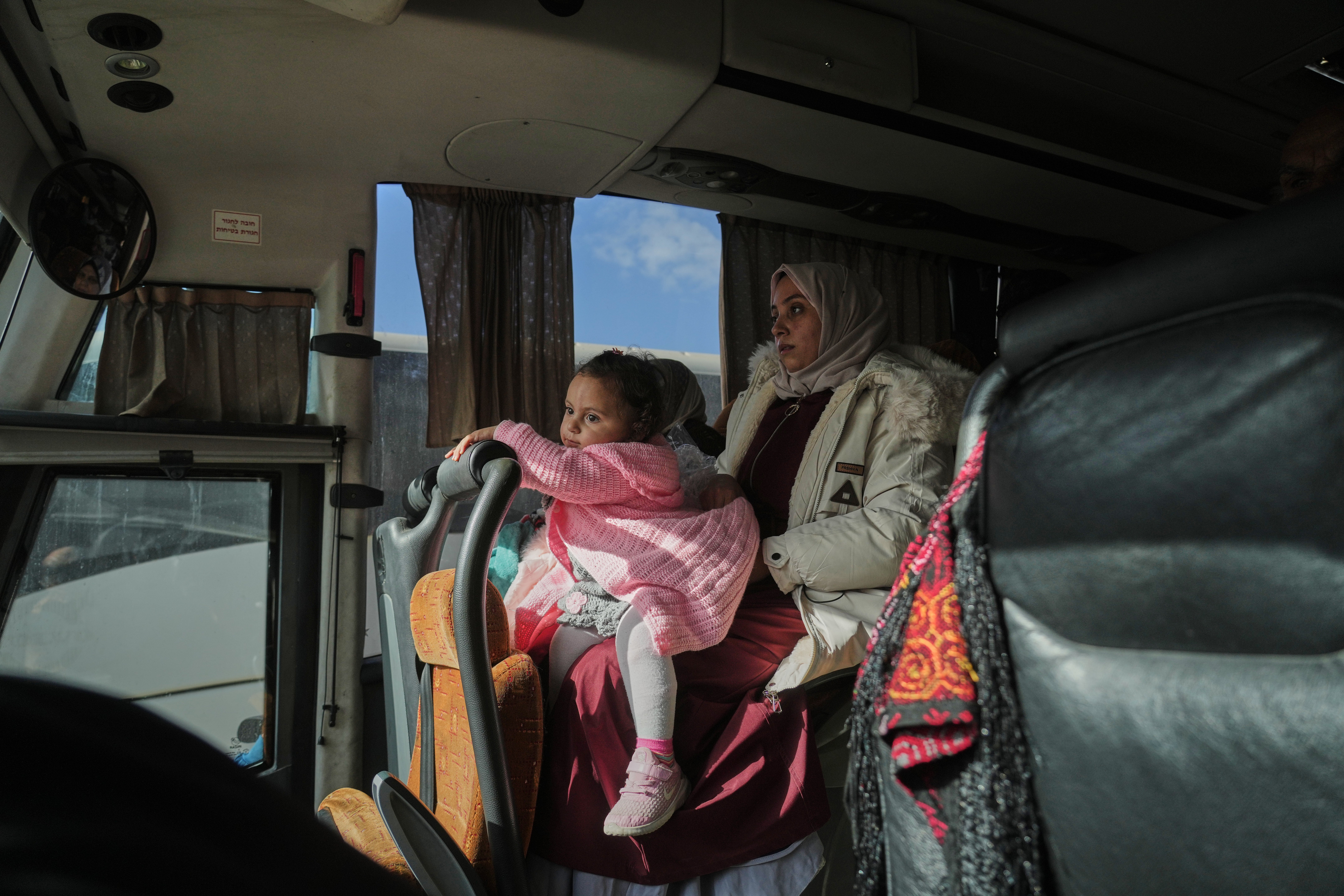
Mr Lindmeier added that many patients had died while waiting for an evacuation.
“We know that patients have died basically waiting for evacuation, and that's something which is horrible when you know just a few miles or kilometres outside that border, help is available,” he said.
Rafah became highly politicised during the height of the bombardment when humanitarian aid was restricted, and thousands of aid trucks containing food and medical aid were not allowed to enter.
The United Nations has called on Israel to allow unfettered movement for Palestinians as well as the entry of humanitarian aid in line with international law.
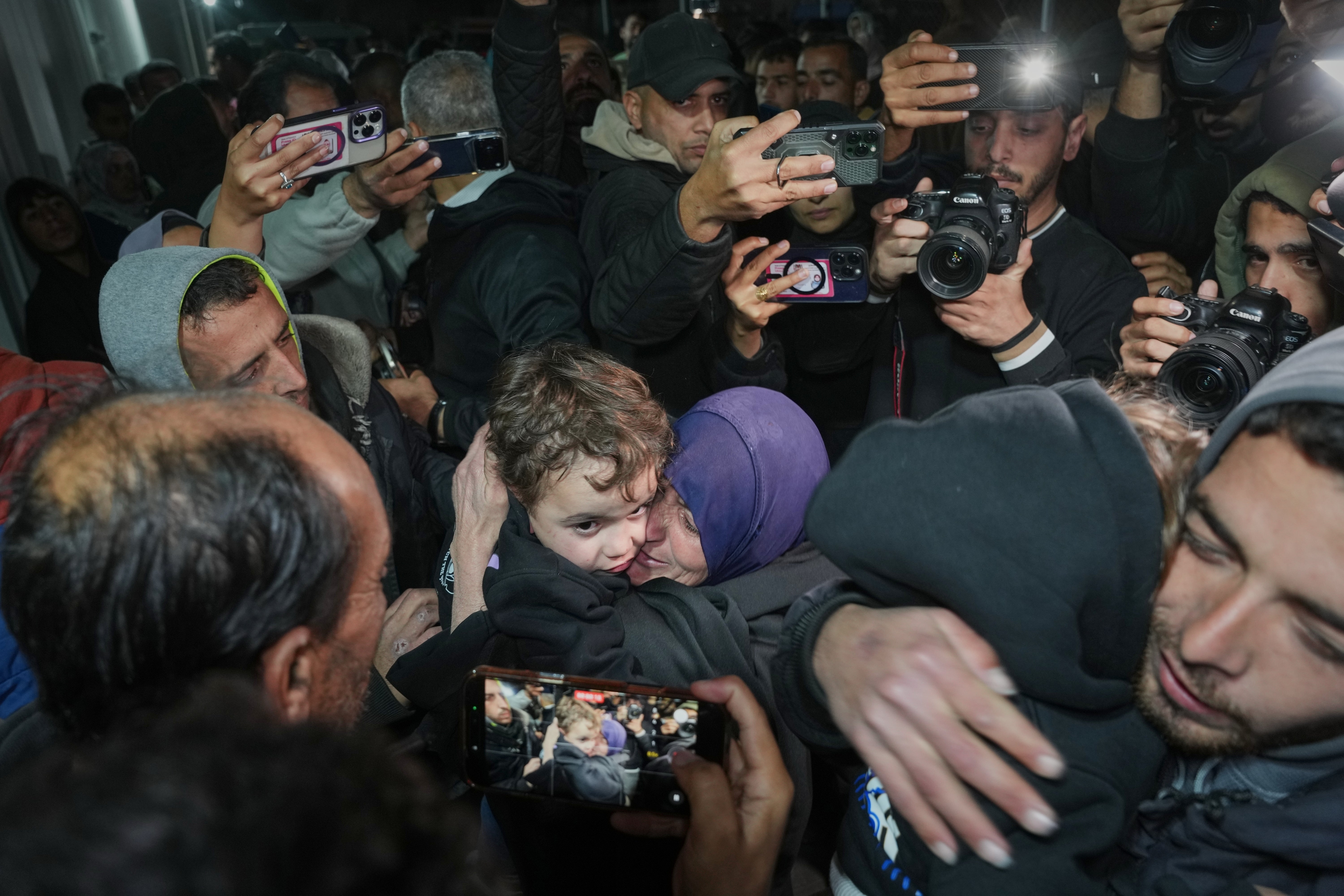
“We would want to see humanitarian cargo and private cargo go in,” UN spokesperson Stephane Dujarric said on Monday. “And, of course, in terms of movements of people through the Rafah crossing, Palestinians need to be able to come out or go in, as they wish, in line with international law.”
Save the Children demanded the “immediate and urgent opening of Rafah and all border crossings and the safe, unrestricted passage of humanitarian assistance”.
On Sunday, an Israeli defence official said that the crossing can hold between 150-200 people altogether in both directions.
There will be more people leaving than returning because patients leave together with escorts, the official added.
Join our commenting forum
Join thought-provoking conversations, follow other Independent readers and see their replies
Comments
Bookmark popover
Removed from bookmarks