Israel says new military offensive to take over Gaza City has begun
The siege on Gaza City is the first part of plans approved by Israel’s security cabinet to take full military control of Gaza
Palestinians are fleeing Gaza City after the Israeli military said it had taken the first steps of a planned operation to take over the city, despite widespread condemnation of the move.
Brigadier General Effie Defrin said that IDF troops had begun circling the outskirts of Gaza City as part of the “first stages” of its new offensive.
Hundreds of thousands of Palestinians in the city are expected to be ordered to evacuate.
Mr Netanyahu’s planned offensive triggered global outrage when first announced with UK prime minister Sir Keir Starmer saying it will “only bring more bloodshed”.
UN chief Antonio Guterres again called for an “immediate ceasefire in Gaza” and for Israel to reverse a decision to expand “illegal” settlement construction in the West Bank.
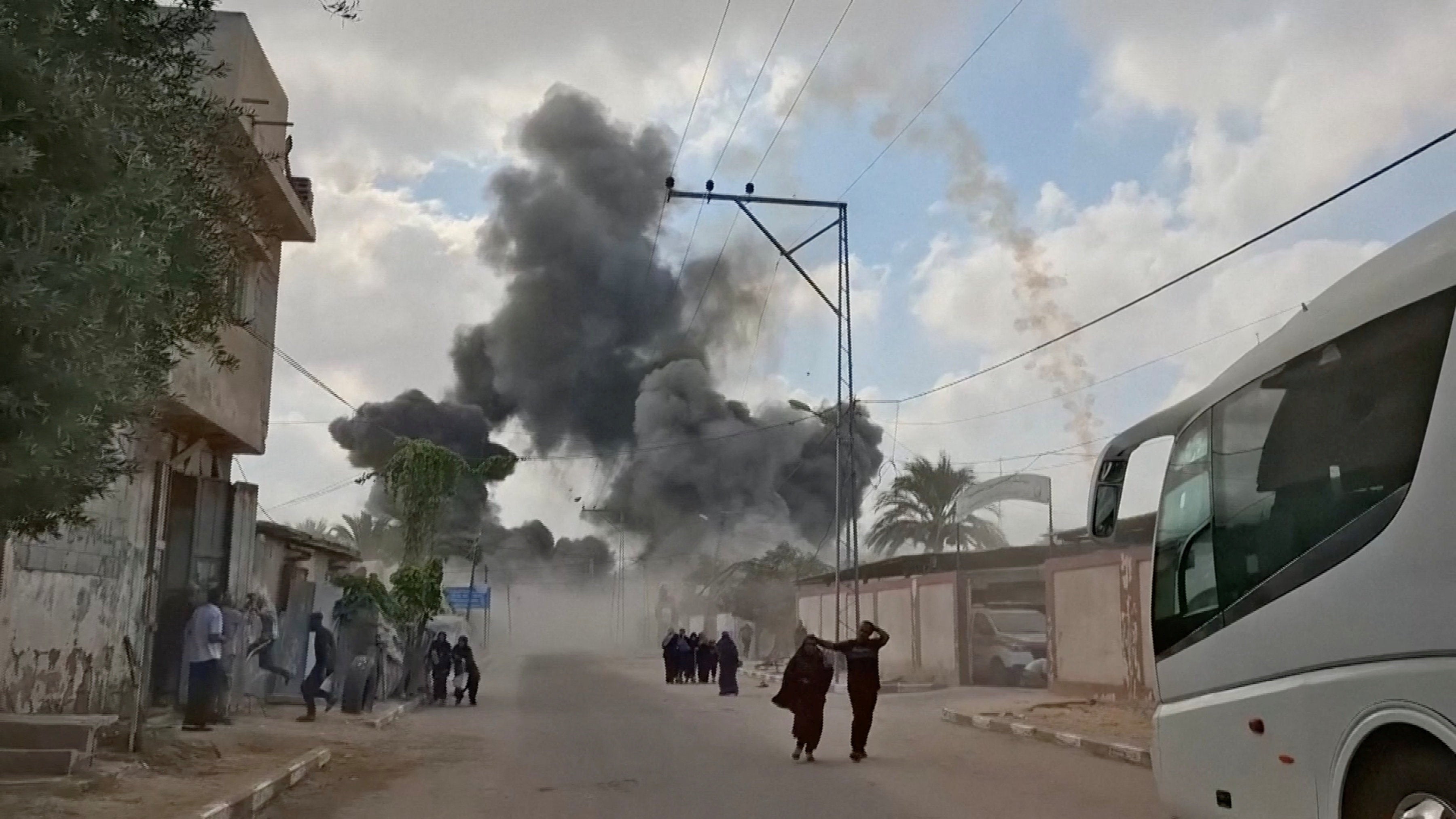
Following a clash with Hamas south of Khan Younis in the strip on Wednesday, the IDF spokesman said: "We will deepen the attack on Hamas in Gaza City, a stronghold of governmental and military terror for the terrorist organization."
A military official briefing reporters earlier on Wednesday said reserve soldiers would not report for duty until September, an interval that gives mediators some time to bridge gaps between Hamas and Israel over truce terms.
Hamas, in a statement on Telegram, accused Benjamin Netanyahu of obstructing the ceasefire deal in favour of continuing a "brutal war against innocent civilians in Gaza City."
"Netanyahu's disregard for the mediators' proposal ... proves that he is the real obstructionist of any agreement."
However Mr Netanyahu is also under pressure from some far-right ministers to reject a temporary ceasefire and pursue annexation of the territory.
Far-right Finance Minister Bezalel Smotrich on Wednesday announced the approval of a controversial settlement project in the E1 area of the occupied West Bank that he said would erase any prospect of a Palestinian state.
It comes as Israel said it would call up to 60,000 reservists for the new offensive and other heavily populated areas of the war-torn Gaza Strip.
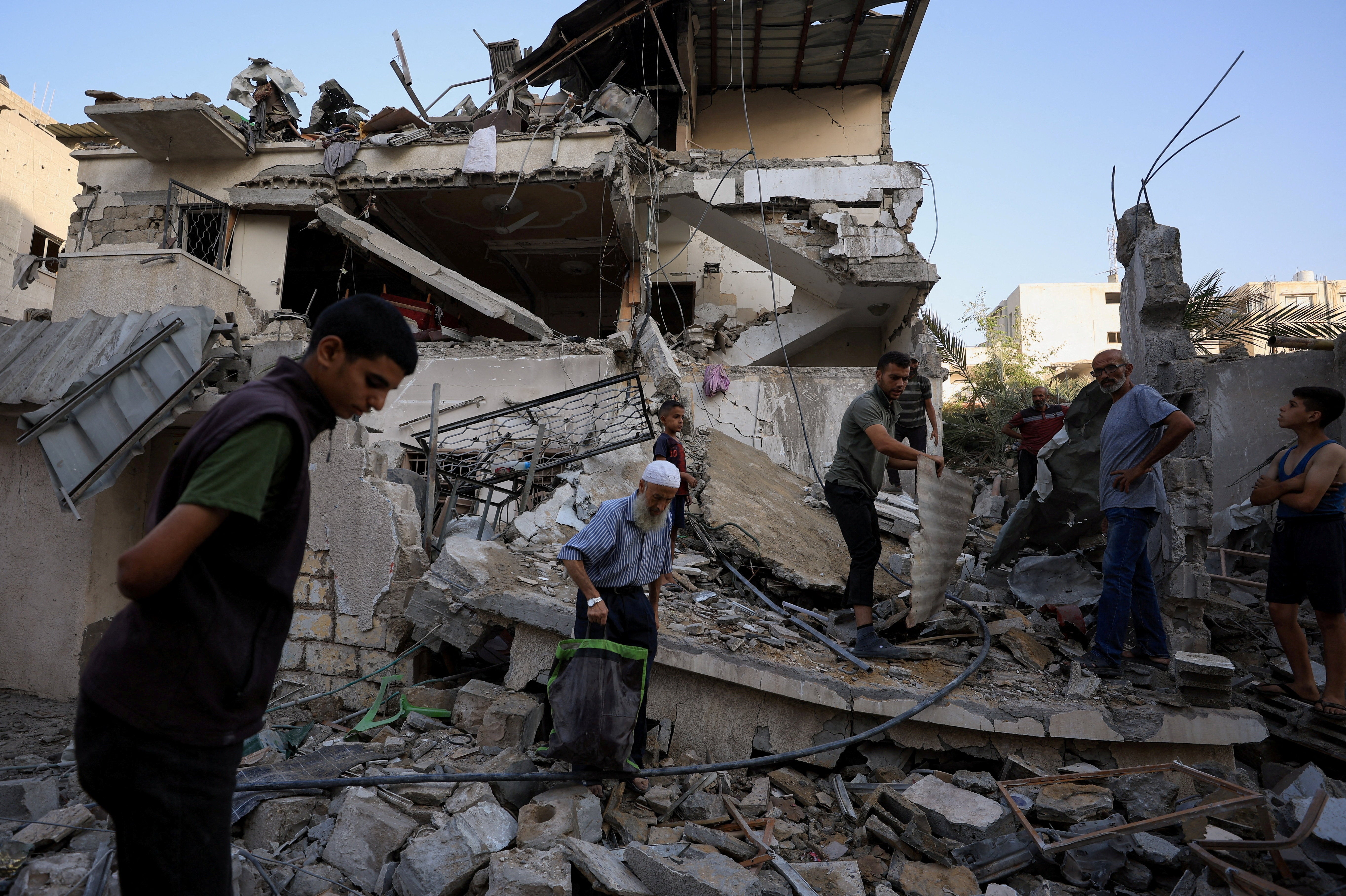
A siege on Gaza City is the first part of plans approved by Israel’s security cabinet to take full military control of Gaza and force the entire 2.3 million population south.
An official said tens of thousands of reservists will be called up in the next month, doubling the current number to 120,000.
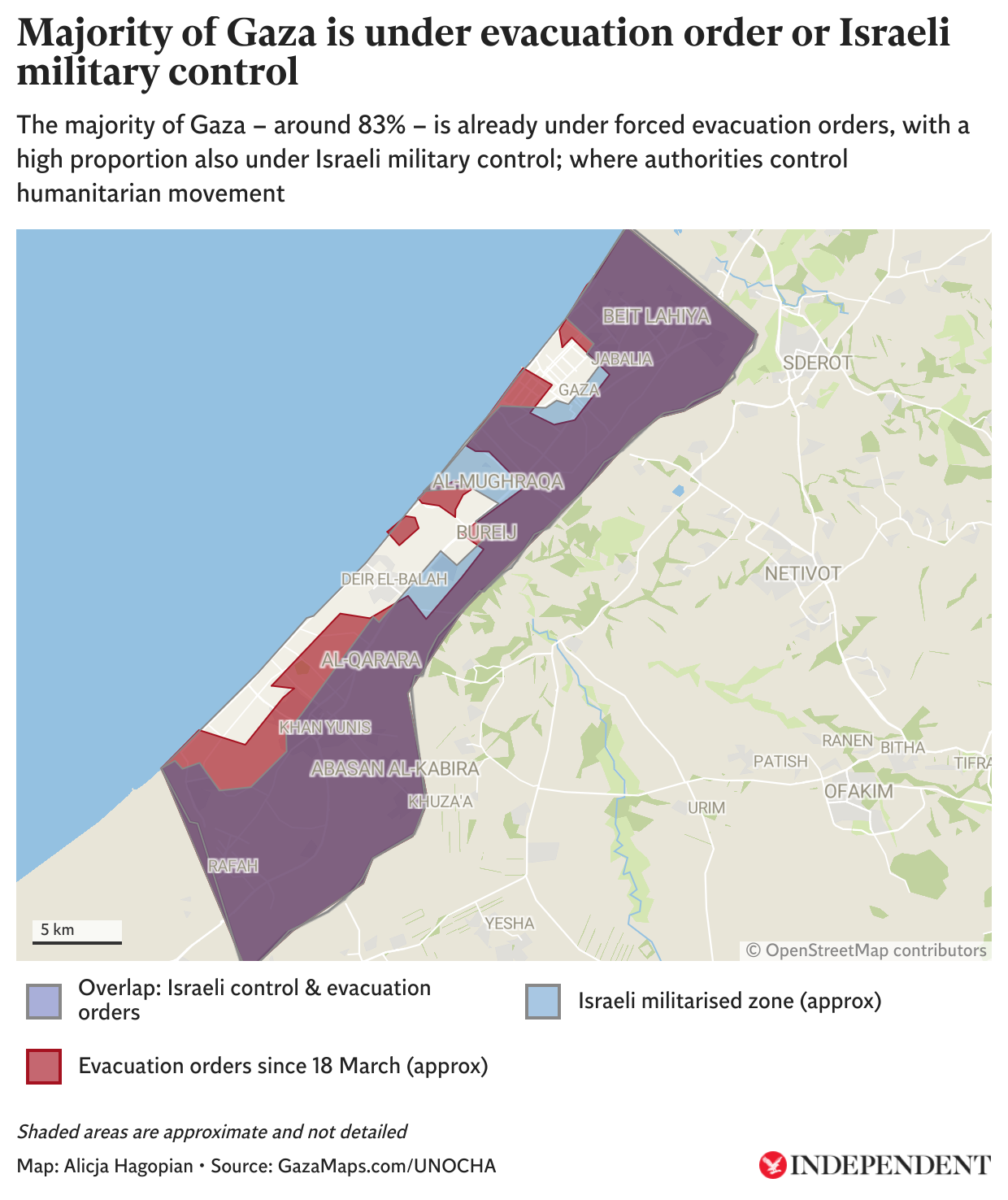
Around 75 per cent of Gaza is already largely destroyed and controlled by Israel. A wider offensive would force more people to flee and further disrupt the delivery of humanitarian aid as experts say the starvation crisis continues.
Israel’s plans have also sparked internal controversy, with families of the remaining hostages fearing another military escalation could doom their loved ones, while former senior security officials say there is little to be gained militarily.
Last week, Netanyahu said that Israel will first allow civilians to leave the battle zones before forces move in on Gaza City, which he described as one of Hamas’ last two remaining strongholds.
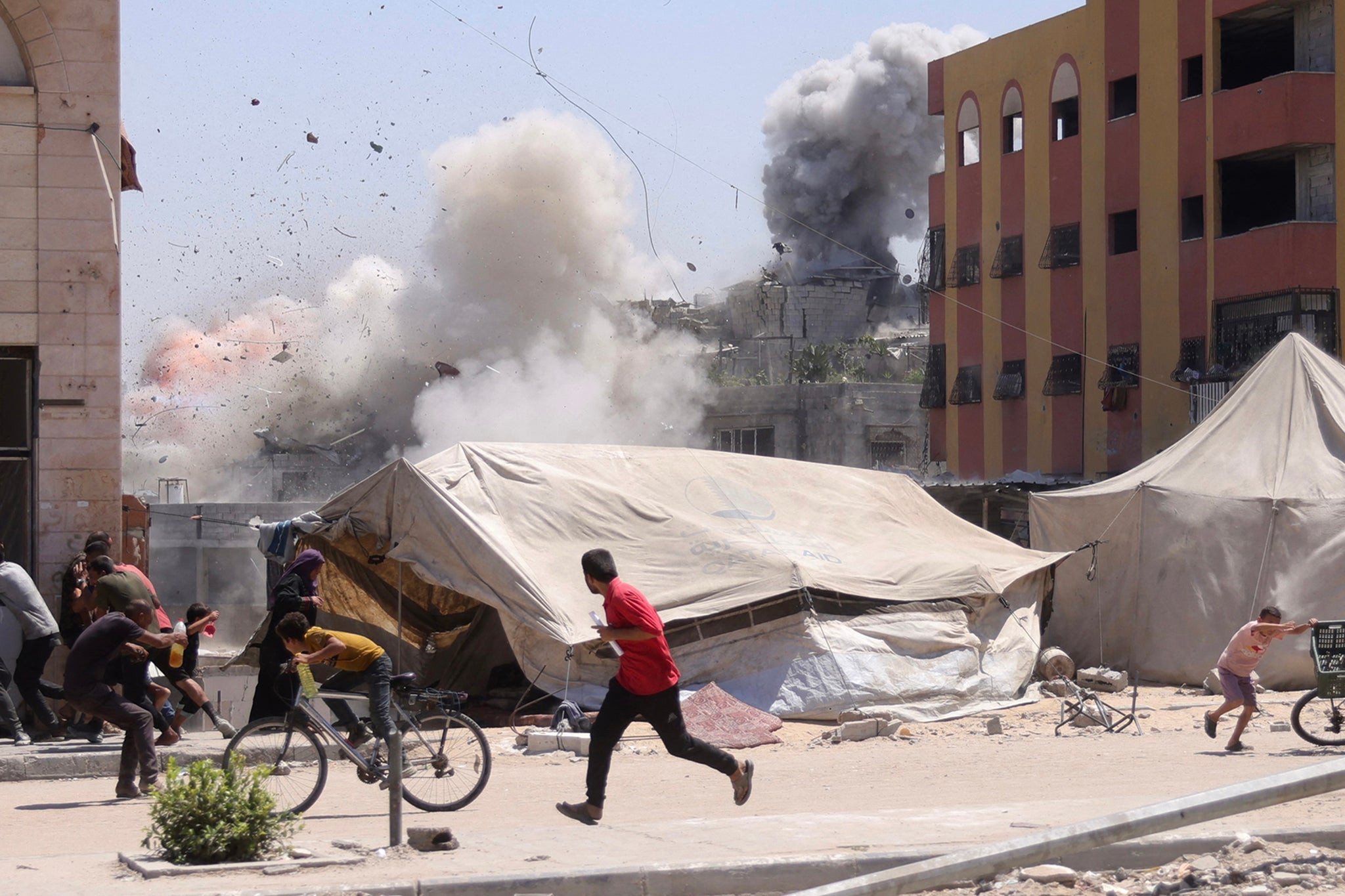
Earlier this week, Hamas accepted a new ceasefire proposal from Arab mediators, which would include a 60-day truce and the release of half of the remaining hostages. A total of 50 hostages are believed to remain in Gaza, with only 20 thought to still be alive, out of the 250 taken by Hamas on October 7, 2023.
A source close to the talks told Reuters that, unlike previous rounds, Hamas accepted the proposal with no further demands. Neither Israel nor the United States have yet responded to the offer.
Civilians in Gaza described how they need “a miracle to save us”, and the families of the Israeli hostages held by Hamas called it “a colossal catastrophe for both the hostages and our soldiers”.
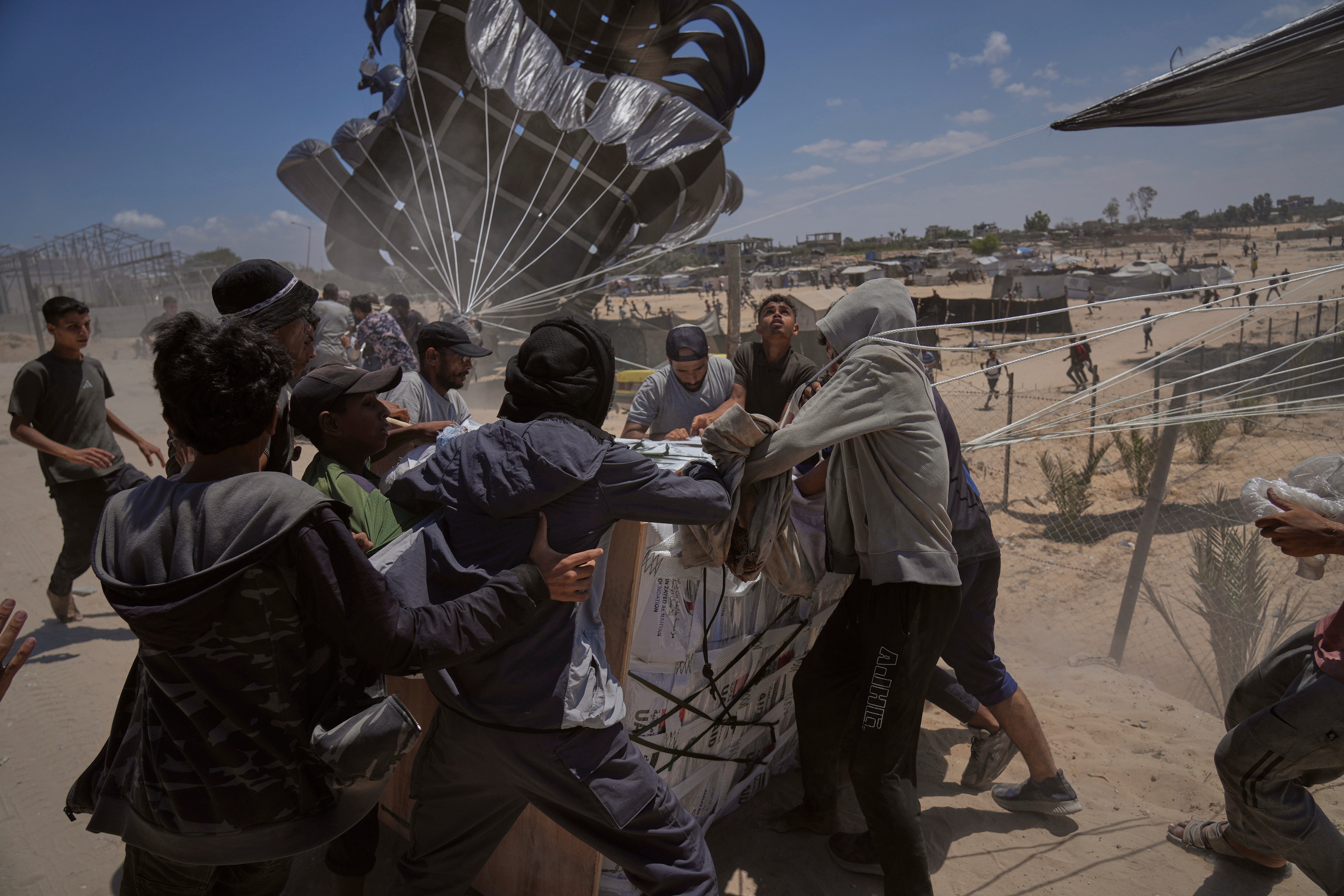
Mr Netanyahu’s office said its five main goals are: Israel’s security control of the entire Strip, disarming Hamas, returning the hostages, demilitarisation of Gaza, and “the establishment of an alternative civil administration that is neither Hamas nor the Palestinian Authority”.
In practice, sources briefed on the discussion said the Israeli military plans to begin “gradually” at first – ordering the population of Gaza City to move and corral south of the tiny 25-mile enclave.
The focus of the initial military offensive will be carried out by the symbolic date of 7 October 2025, after which a siege will be imposed on Gaza City and army forces “will manoeuvre in it”, according to Kan, Israel’s public broadcaster.
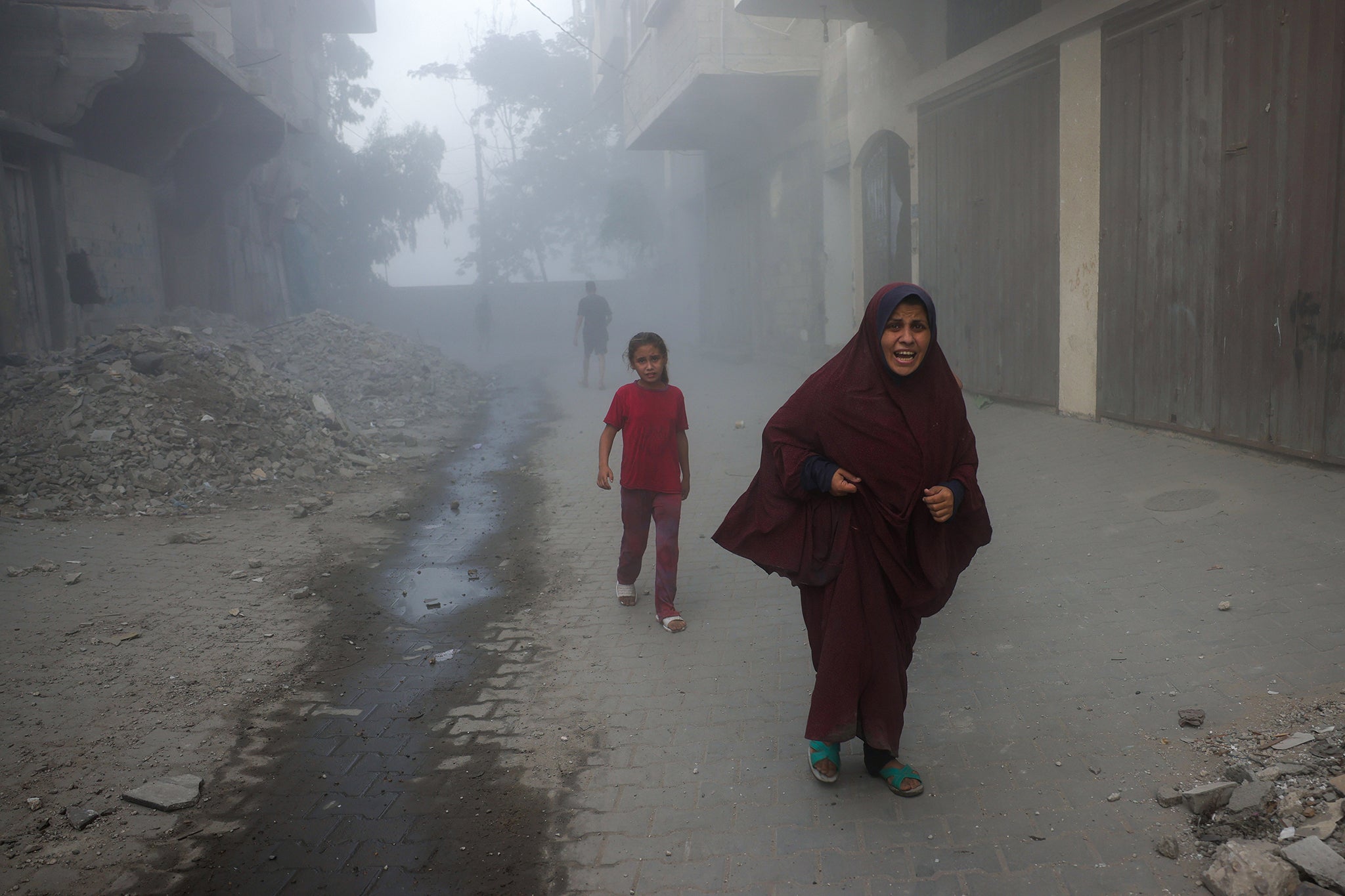
Meanwhile, the people of Gaza are grappling with severe food shortages due to an Israeli blockade. More than 62,000 Palestinians have been killed since 7 October 2023, according to the enclave’s Hamas-run health ministry.
Israel’s military struck Gaza City's eastern suburbs overnight in a bombardment which Gaza health authorities said killed at least 19 people.
“This time if there is no deal, I am afraid we will all die,” father-of-four Samir Abu Basel said. “To die here or die wherever they would push us to, all the same. We have lost faith in this world, in our leaders, too.”
Join our commenting forum
Join thought-provoking conversations, follow other Independent readers and see their replies
Comments
Bookmark popover
Removed from bookmarks