Gaza no longer in famine – but conditions still ‘highly fragile’
More aid is flowing into the enclave following the 10 October ceasefire
Gaza is no longer experiencing famine, a global hunger monitor has announced.
The Integrated Food Security Phase Classification (IPC) has attributed the improvement to enhanced humanitarian and commercial food deliveries following a fragile 10 October ceasefire between Israel and Hamas militants.
The announcement comes four months after the IPC reported that nearly a quarter of Gaza's Palestinian population – 514,000 people – were facing famine, a claim that Israel disputed.
Despite the current reprieve, the IPC warned that the situation in the enclave remains "critical".
The monitor cautioned: "Under a worst-case scenario, which would include renewed hostilities and a halt in humanitarian and commercial inflows, the entire Gaza Strip (would be) at risk of famine through mid-April 2026. This underscores the severe and ongoing humanitarian crisis."
United Nations Secretary-General Antonio Guterres acknowledged that while famine had been averted for now, the gains were "perilously" fragile.
He told reporters on Friday that "far more people are able to access the food they need to survive", but stressed that "needs are growing faster than aid can get in".
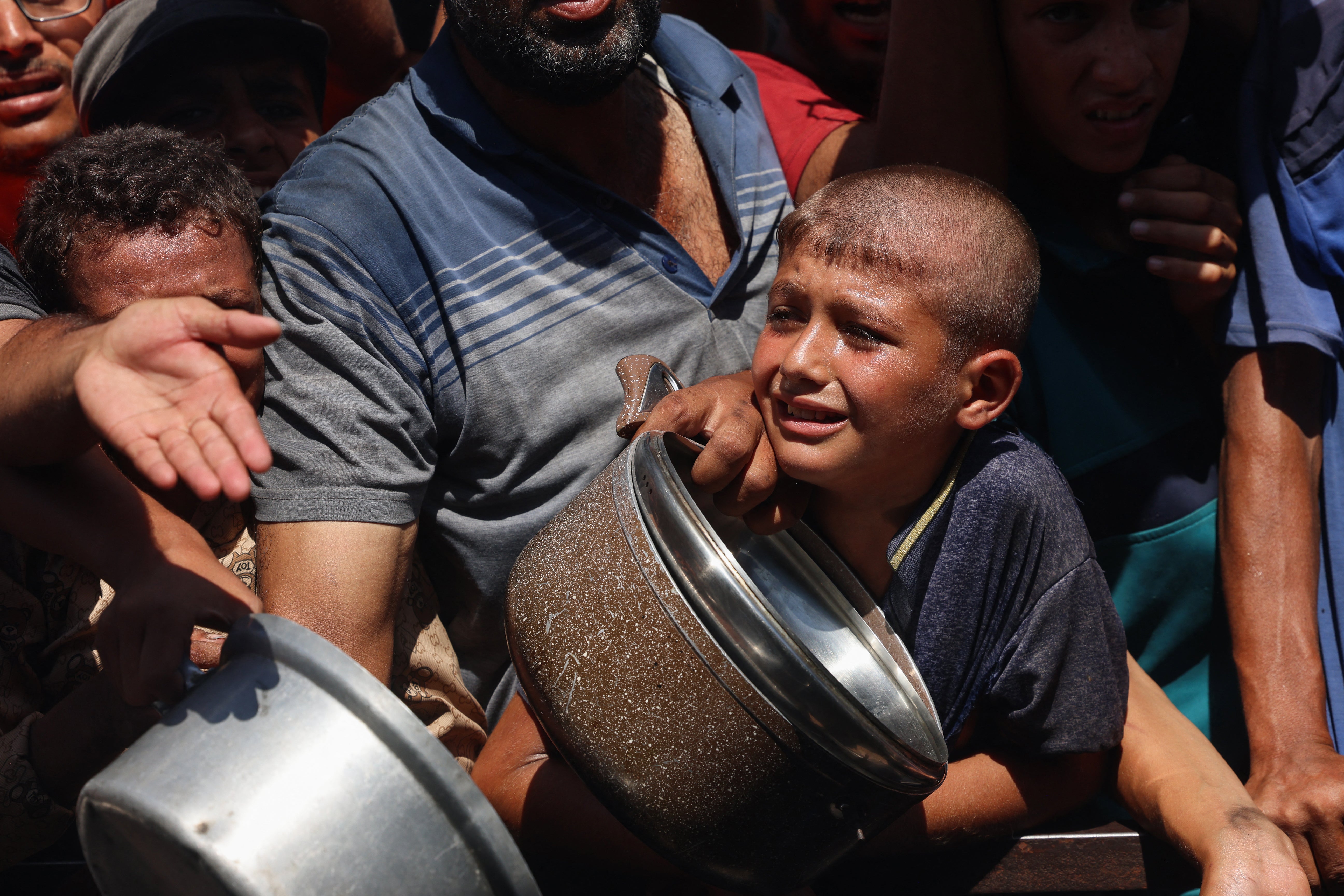
Israel rejects IPC finding
Israel controls all access to the coastal enclave. COGAT, the Israeli military agency that coordinates aid, says that 600-800 trucks have entered Gaza daily since the start of the truce and that food makes up 70 per cent of supplies.
Hamas disputes those figures, saying far fewer than 600 trucks a day have made it into Gaza.
COGAT rejected the IPC finding on Friday, accusing it of presenting "a false depiction of the reality on the ground" because it "relies on severe gaps in data collection and on sources that do not reflect the full scope of humanitarian assistance".
Israel's Foreign Ministry said that far more aid was going into Gaza than what was reflected in the report and that food prices there had dropped sharply since July.
Aid agencies have repeatedly said that far more aid needs to get into the small, crowded territory and that Israel is blocking needed items from entering.
Israel says that more than enough food gets in and that the problems are with distribution within Gaza.
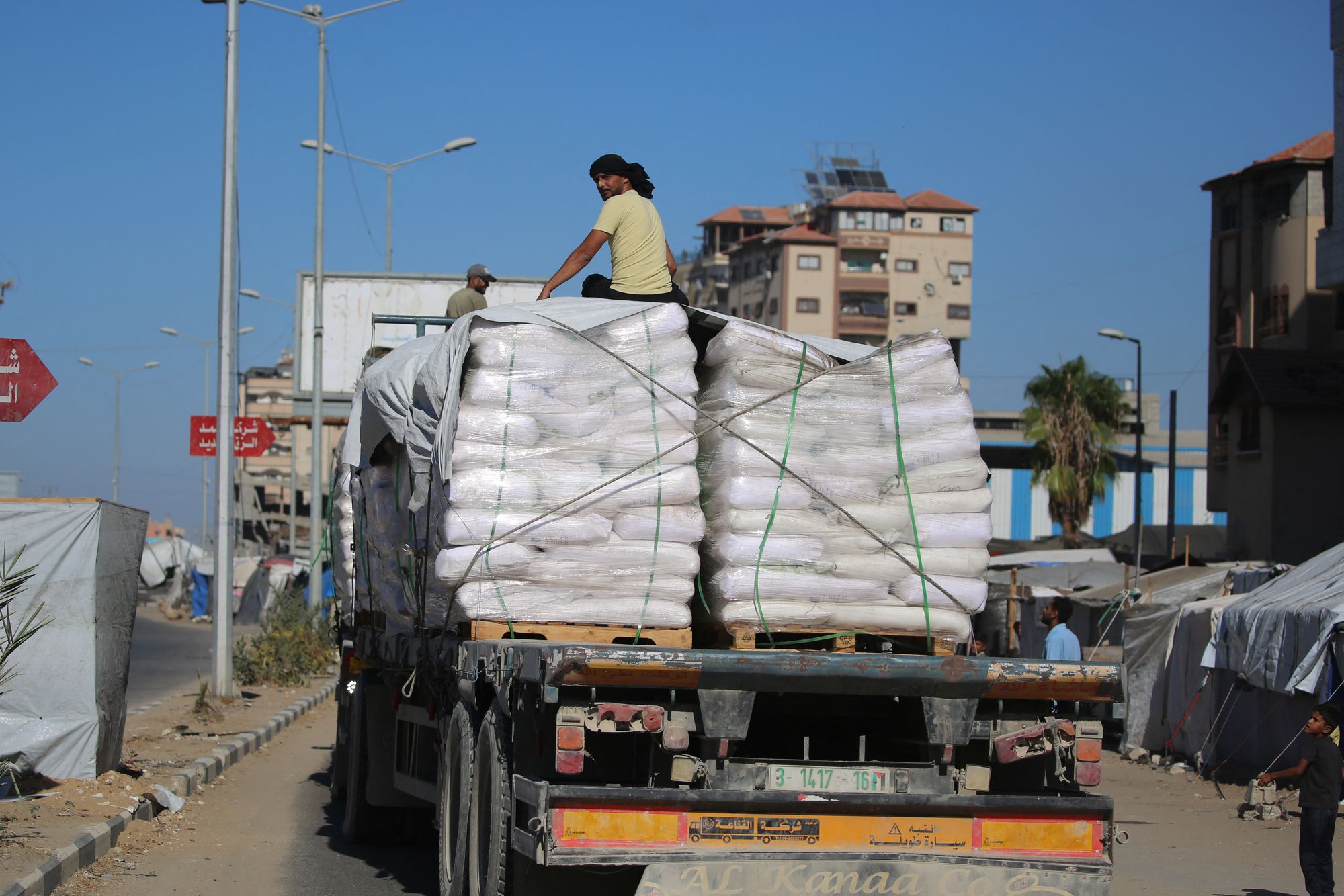
Catastrophic conditions remain
The IPC – an initiative involving 21 aid groups, UN agencies and regional organisations funded by the European Union, Germany, Britain and Canada – said that five famines have been confirmed in the past 15 years: in Somalia in 2011, South Sudan in 2017 and 2020, Sudan in 2024, and most recently in Gaza in August.
For a region to be classified as in famine at least 20 per cent of people must be suffering extreme food shortages, with one in three children acutely malnourished and two people out of every 10,000 dying daily from starvation or malnutrition and disease.
"No areas are classified in famine," the IPC said of Gaza on Friday.
"The situation remains highly fragile and is contingent on sustained, expanded and consistent humanitarian and commercial access."
Even if a region has not been classified as in famine because those thresholds have not been met, the IPC can determine households are suffering catastrophic conditions, which it describes as an extreme lack of food, starvation and significantly increased risks of acute malnutrition and death.
The IPC said on Friday that more than 100,000 people in Gaza were experiencing catastrophic conditions, but projected that figure to decline to around 1,900 people by April 2026.
It said the entire Gaza Strip was classified in an emergency phase, one step below catastrophic conditions.

Children still suffering from malnutrition
The IPC warned that over the next year nearly 101,000 children across Gaza, aged from 6 months to 5 years, were expected to suffer from acute malnutrition and require treatment, with more than 31,000 severe cases.
It added: "During the same period, 37,000 pregnant and breastfeeding women will also face acute malnutrition and require treatment."
In Nasser Hospital in southern Gaza, doctors fear for Arjwan al-Dahini, age 4, and Yasser Arafat, 6. Both children are critically ill with severe acute malnutrition, the most dangerous stage of hunger, said Dr Ahmed al-Farra.
Arjwan's mother, Hanin, said as the family struggled to find food, Arjwan stopped walking and growing and has lost around half her body weight.
Arafat’s brother already died of malnutrition, said Dr Farra, and his father is unwell and malnourished too. His mother, Iman, said the family had been unable to buy eggs or other high-protein foods.
The head of al-Shifa Hospital in Gaza, Mohammed Abu Selmia, said malnutrition is still very widespread. Of 6,000 children screened by the Health Ministry, around 1,000 were malnourished and 100 of them required hospitalisation, he said.
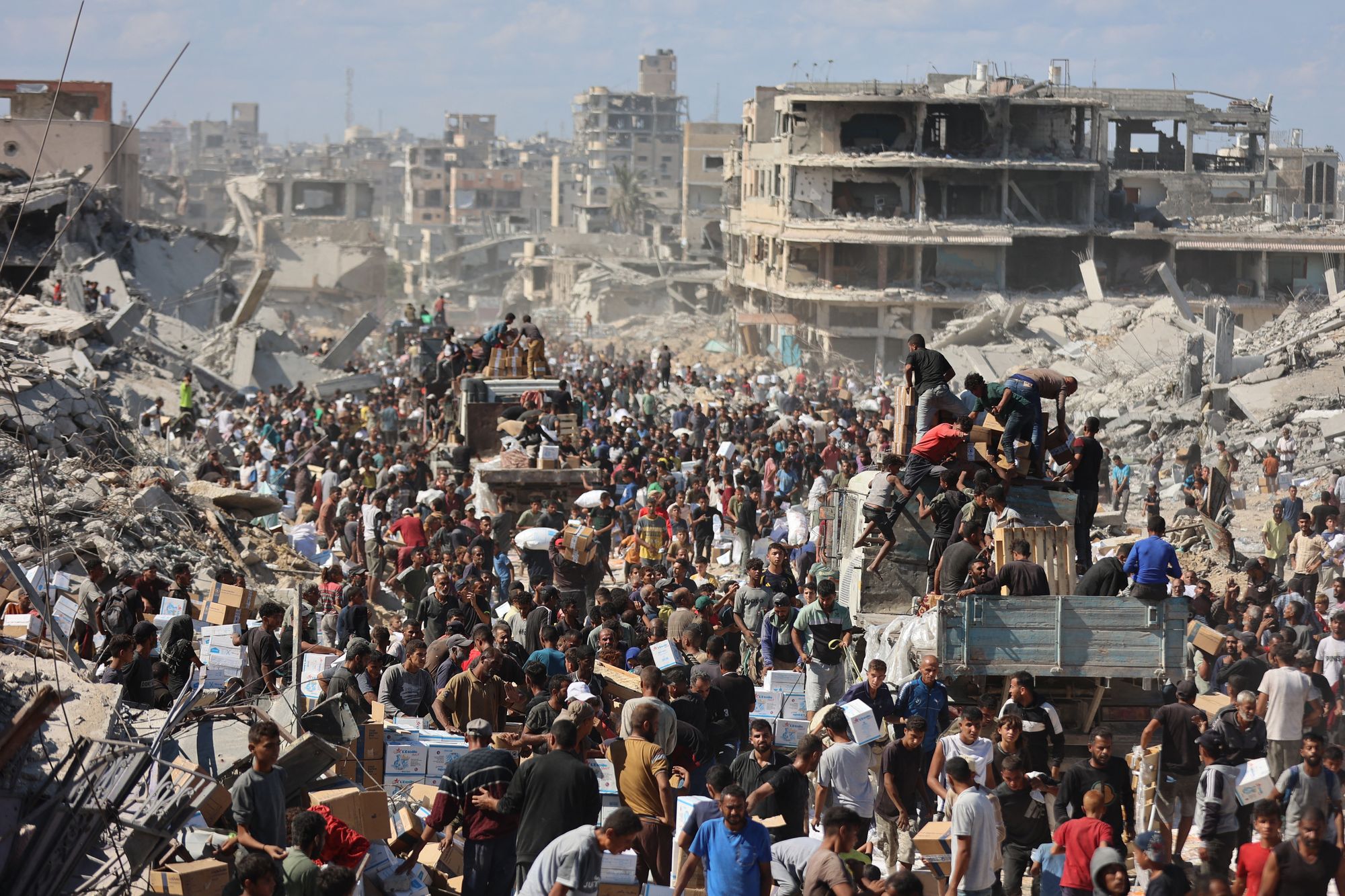
A ‘constant struggle’
Antoine Renard, the top UN World Food Programme official in Gaza and the West Bank, said there were signs of improvement, with most people in Gaza now having two meals per day, though he added that it was "a constant struggle" to get streamlined access to Gaza.
The United Nations and aid groups also warned on Wednesday that humanitarian operations were at risk of collapse if Israel does not lift impediments.
"We need a truly durable ceasefire," Mr Guterres said on Friday.
"We need more crossings, the lifting of restrictions on critical items, the removal of red tape, safe routes inside Gaza, sustained funding, and unimpeded access."
The International Rescue Committee warned that the progress should not "be misread as a sign that the crisis is over".
"Hunger in Gaza remains at catastrophic levels, with families still struggling to access sufficient, nutritious food," Bob Kitchen, IRC Vice President for Emergencies, said in a statement.
"Without rapid and unimpeded and unhindered humanitarian access at scale, the risk of famine and preventable deaths will quickly return."
Join our commenting forum
Join thought-provoking conversations, follow other Independent readers and see their replies
Comments
Bookmark popover
Removed from bookmarks