Netanyahu ‘expected to ask Trump for help with fresh Iran strikes’
B-2 stealth bomber strikes in June threatened to cast the region into all out conflict
Benjamin Netanyahu is expected to brief Donald Trump on the possibility of fresh air strikes against Iran, according to a report.
Israeli officials fear that Iran is already rebuilding the nuclear enrichment sites that the US bombed in June and are weighing options to attack it again, NBC News said, citing anonymous US officials briefed on the plans and one person with direct knowledge.
The Israeli prime minister is set to meet Trump at his Mar-a-Lago estate in Florida at the end of this month for talks on the fragile ceasefire between Israel and Hamas in Gaza.
During the summit, Netanyahu is expected to make the case that Iran’s ballistic missile programme warrants a “swift” response, the outlet reported.
The United States could be invited to join in bilateral action against Iran, with Netanyahu poised to argue that Iranian militarisation represents a threat to American interests in the region, the sources said.
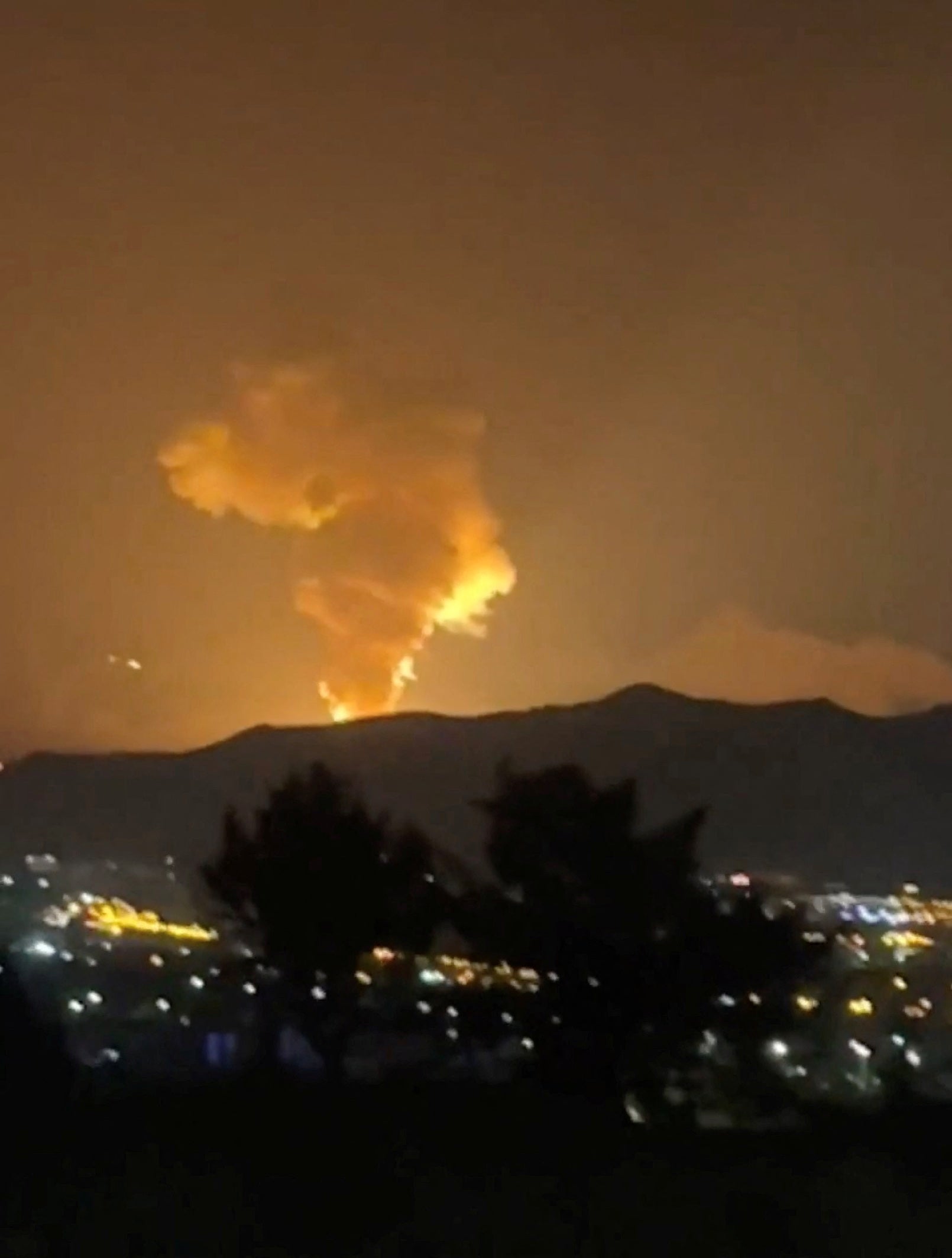
The comments came just days after the head of the Mossad intelligence agency insisted that Israel has a “responsibility” to stop Iran from producing a nuclear bomb.
David Barnea said on Tuesday: “The idea of continuing to develop a nuclear bomb still beats in their hearts.
“We bear responsibility to ensure that the nuclear project, which has been gravely damaged, in close cooperation with the Americans, will never be activated.”
Iran maintains that its nuclear programme is entirely peaceful. However, in the aftermath of the June strikes, Tehran barred the UN’s atomic watchdog from its facilities.
Trump asserted in an address to the nation on Wednesday that he had already “destroyed the Iran nuclear threat” and brought peace to the region for the “first time in 3,000 years”.
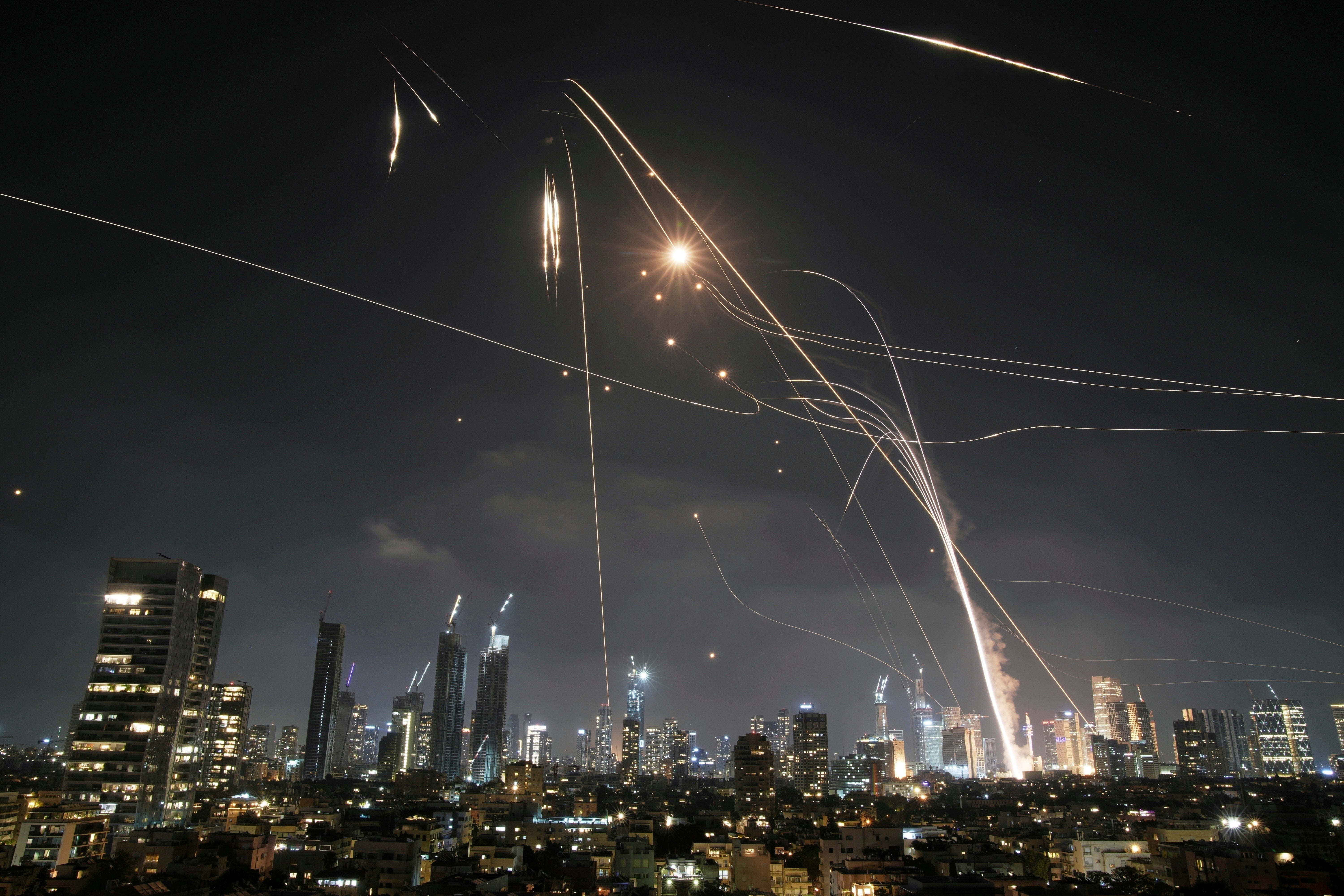
An early Pentagon assessment concluded that the strikes in June on the facilities at Fordow, Natanz and Isfahan had likely only set Iran’s nuclear programme back by a matter of months.
Israel had led with unilateral strikes against Tehran’s nuclear facilities, launch sites and top brass before the US vowed to sink entrenched nuclear sites with 30,000lb bunker-buster bombs.
Israel had claimed its initial offensive was the culmination of years of research and planning by Israel’s military and Mossad.
Netanyahu warned at the time that Iran “could produce a nuclear weapon in a very short time” if not stopped, potentially “within months”.
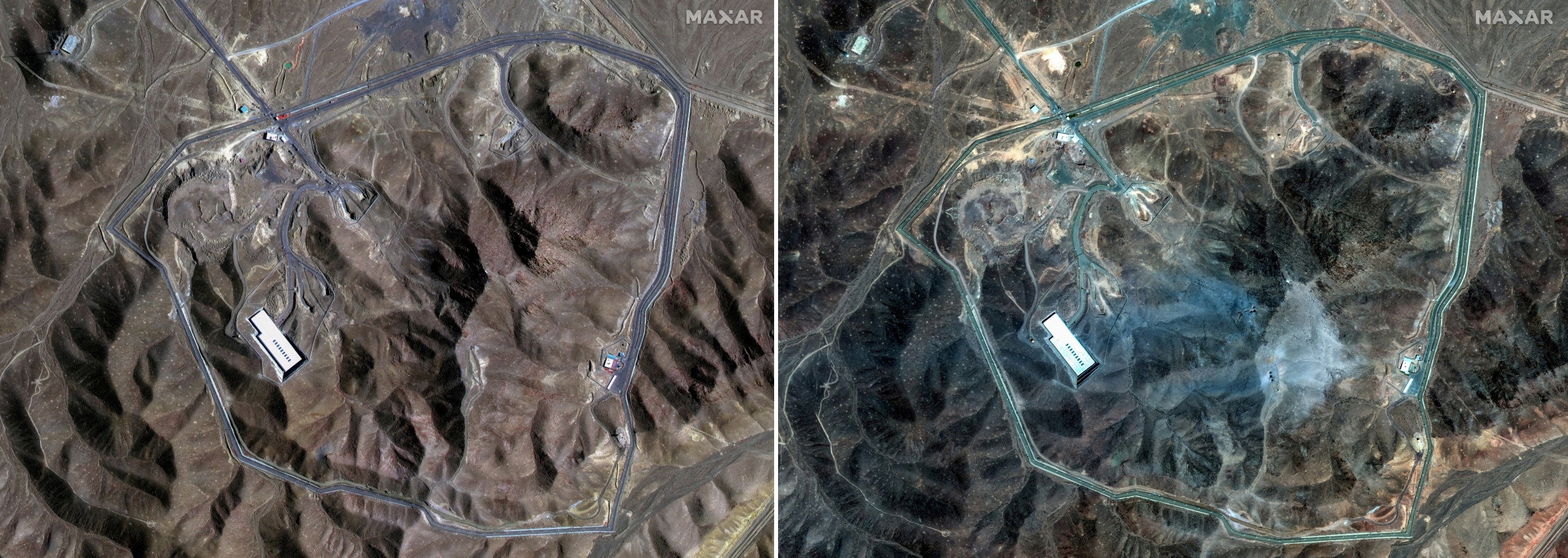
Fears of a wider regional war took shape as Iran’s Houthi allies joined in unprecedented retaliatory strikes against Israel.
Depleted Iran proxy Hezbollah sat out of the conflict, keeping to a delicate ceasefire deal agreed in November.
Israel is itself widely believed to possess nuclear weapons, though neither nation confirms or denies this.
Join our commenting forum
Join thought-provoking conversations, follow other Independent readers and see their replies
Comments
Bookmark popover
Removed from bookmarks