Iran closes key Strait of Hormuz shipping route after ayatollah threatens to sink US warships
The strategic waterway has not been shut since the 1980s. The move comes amid ongoing tensions with the US
Iran temporarily shut part of the key Strait of Hormuz as tensions with the US continue to mount.
Tuesday’s move is the first time the Middle Eastern waterway has been closed since the 1980s, and came as Iran’s ayatollah issued fresh threats against the United States.
One of the world’s most strategically important routes, around 20 per cent of oil passes through the Strait of Hormuz between the Persian Gulf and the Gulf of Oman.
State media announced it would be partially shut for several hours due to “security precautions” as the Revolutionary Guard carried out military drills.
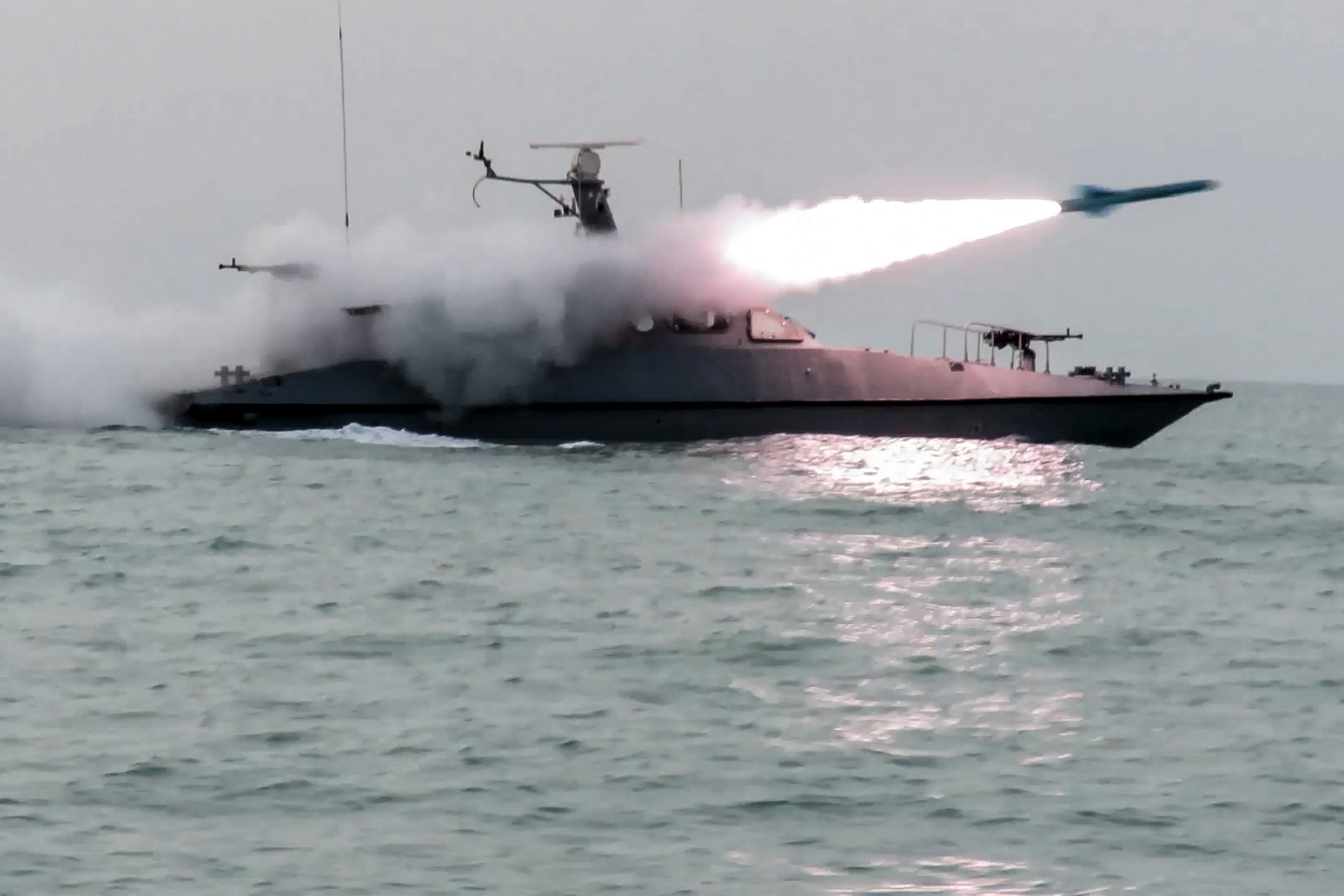
Experts have previously warned that closing the Strait could cause a hike in oil prices if fuel is unable to get through.
International law permits countries to exercise control of up to 13.8 miles (12 nautical miles) from their coastline. At its narrowest point, the passage comes under both Iranian and Omani control.
The US and Iran held talks about a potential nuclear deal on Tuesday, with Tehran’s foreign minister announcing “guiding principals” had been agreed, without going into specifics.
Vice president JD Vance told Fox News: “In some ways, it went well; they agreed to meet afterwards. But in other ways, it was very clear that the president has set some red lines that the Iranians are not yet willing to actually acknowledge and work through.”
Despite publicly committing to ongoing discussions on a deal, both sides have taken escalatory action in recent days.
The US positioned the world’s largest warship, the USS Gerald R Ford, in the Middle East to join an earlier aircraft carrier, the USS Abraham Lincoln, that had moved to the region last month.
Ayatollah Ali Khamenei responded by threatening to sink the carriers.
“The US president keeps saying, ‘our military is the strongest military in the world’; the world’s most powerful military can sometimes receive such a slap that it can no longer stay on its feet,” he said on Tuesday. “They constantly say, ‘we have sent an aircraft carrier towards Iran’.
“OK, of course an aircraft carrier is a dangerous device, but more dangerous than the carrier is the weapon that can send it to the bottom of the sea.”
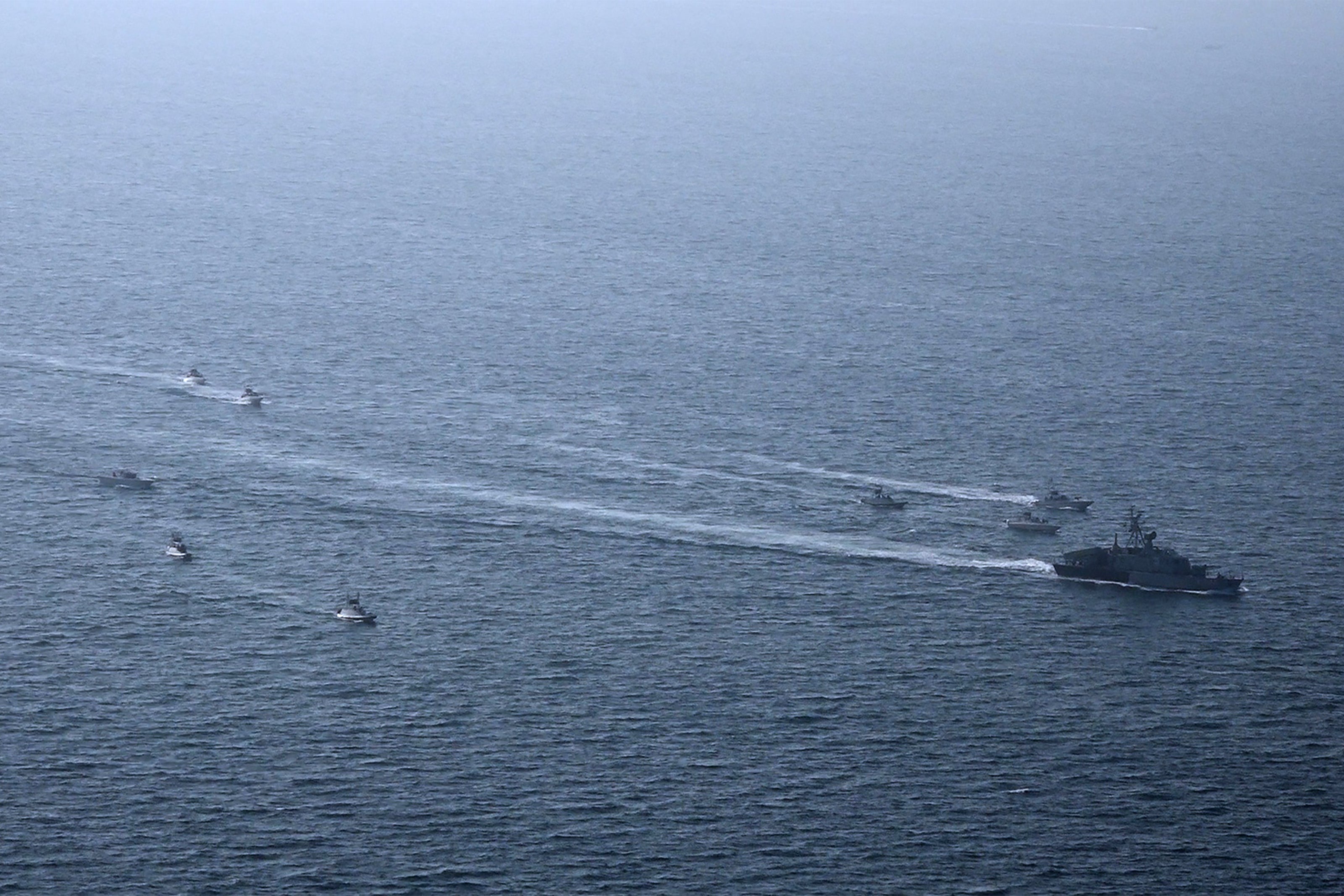
Earlier in the week, Iran carried out military drills in the Strait, with missiles launched inside Iran and along its coast striking targets in the waterway.
The exercises, which included test missiles, warships and helicopters, were displaying the “operational readiness” of the Iranian Revolutionary Guard Corps’ (IRGC) and plans for reciprocal action in case of “potential security and military threats”.
On Wednesday, Iran and Russia announced joint navy drills in the Sea of Oman and the northern Indian Ocean would be carried out on Thursday.
“Creating convergence and coordination in joint measures to counter activities threatening maritime security and safety (...) as well as combating maritime terrorism, are among the main goals of this joint exercise,” Iranian navy commander Hassan Maghsoodloo said according to Fars News.
Join our commenting forum
Join thought-provoking conversations, follow other Independent readers and see their replies
Comments
Bookmark popover
Removed from bookmarks