Hidden killers: Families’ horror after children as young as five die in unexploded mine blasts
Ali Mohammed Al-Abrash was having breakfast while his niece and nephews played around outside - but after they picked up a scrap piece of metal, the unthinkable happened
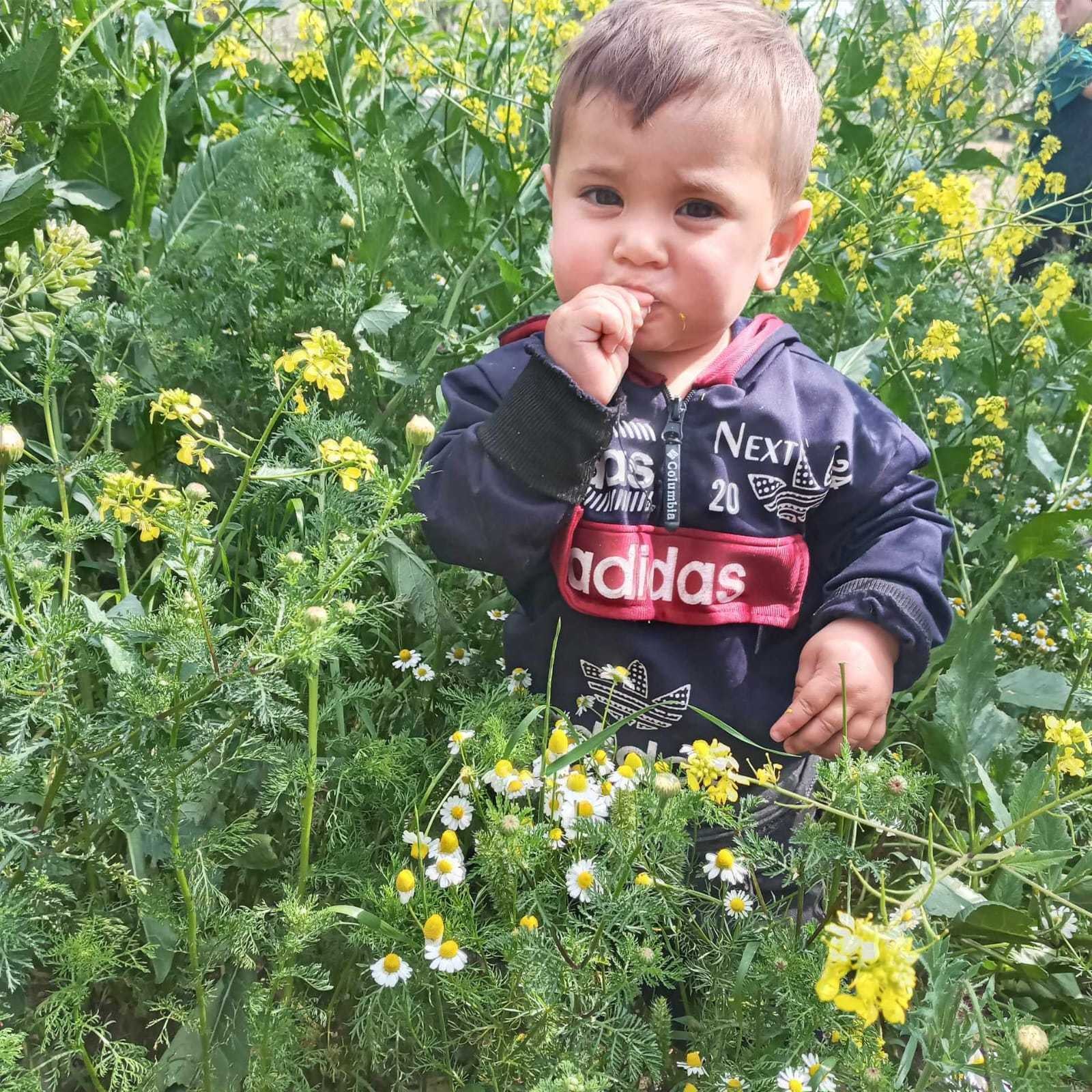
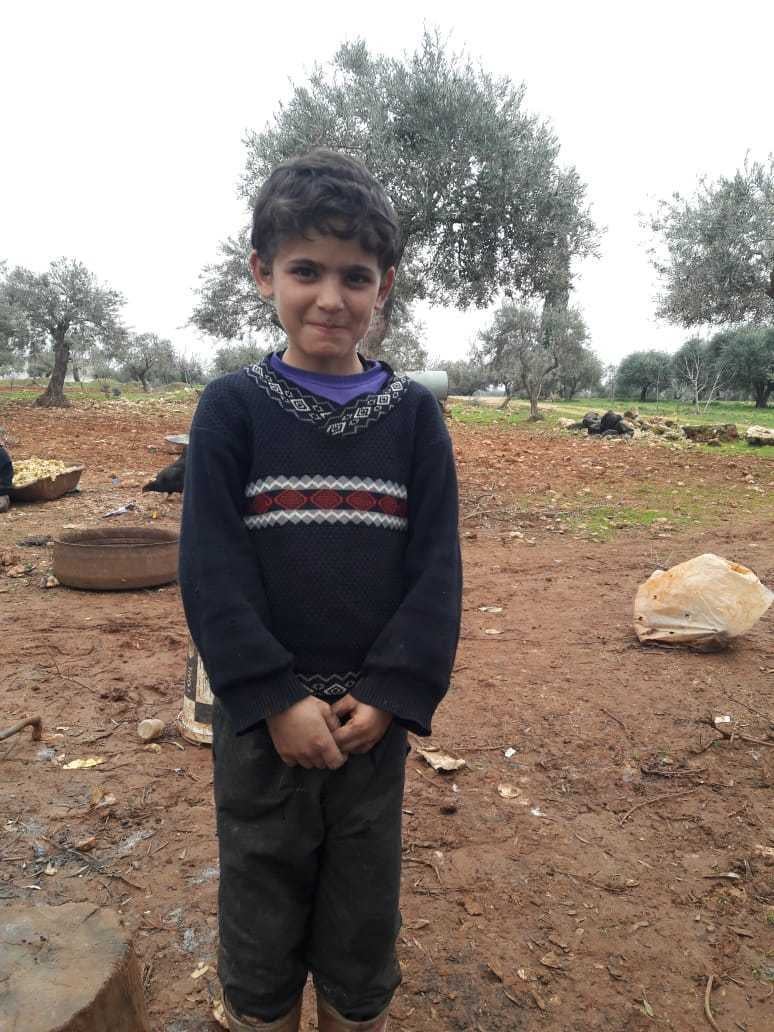
Zahraa, Muhammad, Ali and Ibrahim thought they were playing with a harmless piece of scrap metal.
Within minutes, five-year-old Zahraa and six-year-old Muhammad had been killed.
Ali, 3, and Ibrahim, 12, were being rushed to the nearest hospital in northwest Syria, bodies pierced by pieces of shrapnel from an unexploded munition left in their village by forces belonging to deposed dictator Bashar al-Assad.
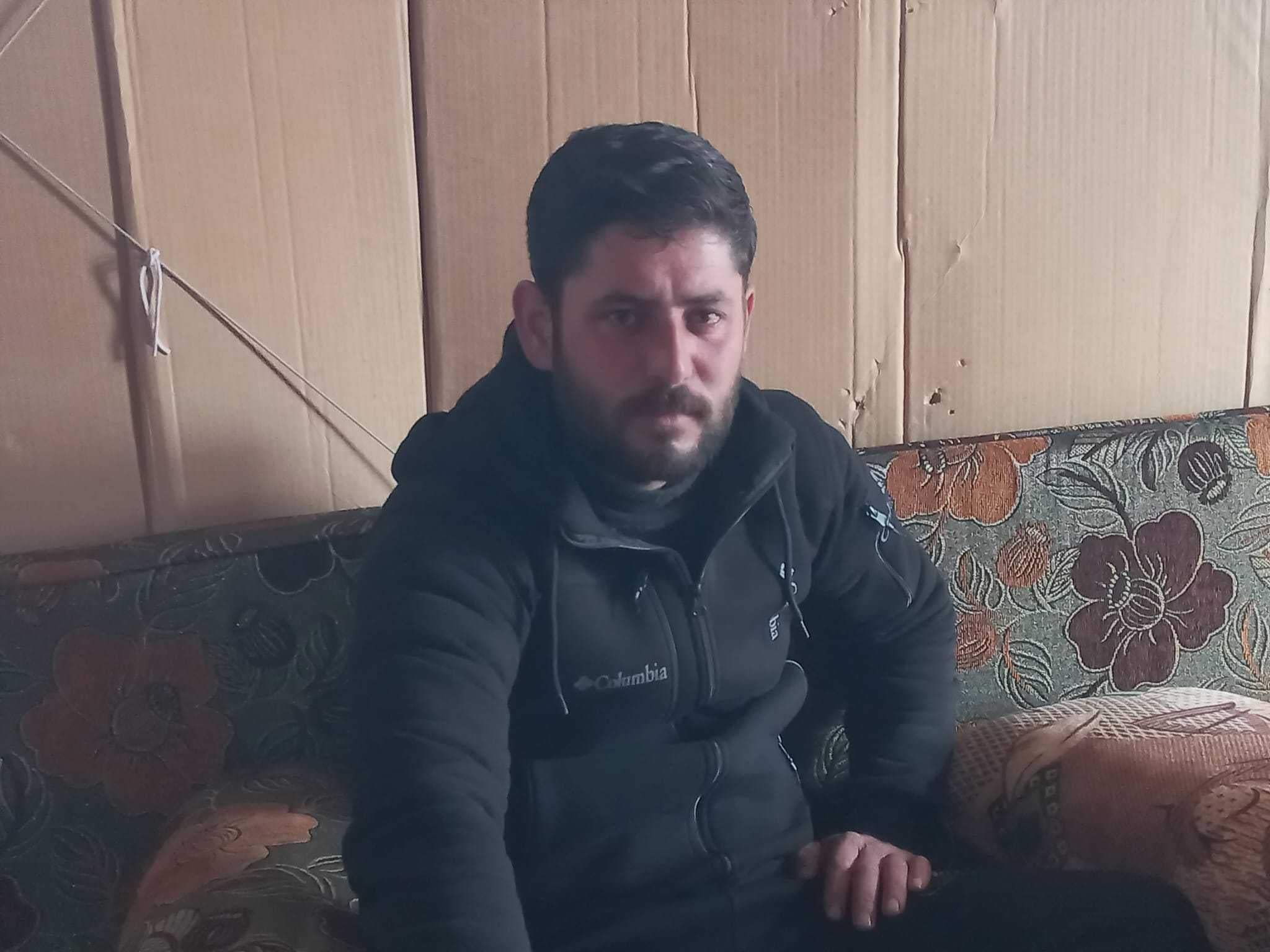
“We were in complete shock. We didn’t even realise what was happening. We couldn't understand how tragic it was,” recalls their uncle, Ali Mohammed Al-Abrash.

Just six days after the explosion, he spoke to The Independent about the heartache that has rippled through the community of Maardabsa, south of Saraqib.
“The roads, the village, everywhere reminds us of our beloved Zahraa and Muhammad,” he says, a voice strained with emotion as he spoke from the tent in which the family shelters.
With their father abroad, Ali said he was like a father to the two children who brought “joy and happiness to the whole family”.
It is a story all too common in the north, northwest and central regions regions of Syria, ravaged by years of war and littered with thousands of unexploded munitions.
The abandoned weapons pose an ever present threat to civilians even during a period of relative peace.
Since the fall of the Assad regime 14 months ago, around 10 Syrians have been killed by unexploded ordnance each week. Nearly one third of those killed have been children.
The explosion in Maardabsa occurred as Ali was eating breakfast on Friday 6 February. He rushed outside to find all four children lying on the ground and bleeding, two already dead, two with severe shrapnel injuries.
“They were just playing with scraps, pieces of metal,” Ali says. “One of them hit the munition with something. That's how it exploded. They were just playing with it.”
The children had found what is now believed to have been an unexploded cluster munition, a widely-banned weapon which was used by government forces in northwest Syria - and has a detonation failure rate of around 30 per cent.
In late January, Syrians suffered one of the deadliest weeks for mine-related casualties since the Assad regime, according to the latest figures from the UN’s Mine Action Area of Responsibility (MA AoR).
Seventeen people were killed, including seven children, and another 16 were injured, including five children.
This brings the total number of casualties since 8 December 2024 to 1,734, including 633 deaths. Children make up 185 of the deaths and 453 of the injuries, across the 959 incidents.
The majority of the incidents took place on agricultural land, where Syrians are returning to farm the fields they were forced to abandon due to the civil war.
A huge spike was recorded early last year when many Syrians returned for the first time.
But in the coming months numbers could again rise as farmers begin to harvest their crops in spring, explains Simon Jackson, the Syria Programme Manager for The Halo Trust, an organisation with a mission to remove unexploded ordnance from conflict-ridden areas.
“We’re getting back into the prime cultivating period. We’ve seen it in the north west, you can see where farmers have been cultivating their land and suddenly there’s a really defined line where people stop.
“Usually, somewhere along that line, you see the crater of where there’s been an accident,” he says.
Many know the risks, but with a food production crisis in Syria, families are “driven by desperation” to cultivate their land nonetheless.
Children, many who are heavily involved in farming activities, particularly for subsistence level farmers, are under particular risk.
A report in December found that deaths and injuries from landmines and unexploded ordnance around the globe hit a four-year high in 2024, driven by conflicts in Syria and Myanmar.
More than 6,000 incidents were recorded that year, including 1,945 deaths and 4,325 injuries, the highest annual total since 2020, according to the Landmine Monitor 2025 report.
Nearly 90% of victims were civilians, with almost half women and children.
Join our commenting forum
Join thought-provoking conversations, follow other Independent readers and see their replies
Comments
Bookmark popover
Removed from bookmarks