The potential outcomes if Trump strikes Iran
The US president has renewed threats against Iran, weeks after promising to come to the aid of anti-government protesters
Donald Trump has renewed his threat of military action against Iran, urging the Islamic Republic to make a ‘deal’ or face the consequences with a “massive armada” already en route to the region.
The US president said on Wednesday that time was running out for Tehran to avoid a repeat of last summer’s strikes against the country’s nuclear facilities, warning this time would be “far worse”.
The U.S. has been seeking a deal to curb Iran’s nuclear programme even after claiming to have totally destroyed it in a bombing campaign last June. However, officials fear the programme was not destroyed and that the regime has been reconstituting it. Iran denies trying to make a bomb, but says it is open to talks.
The decision to move a carrier strike group to the region gives Trump a wider range of options than he had earlier this month, when he vowed to come to the rescue of anti-government protesters being brutally killed and targeted by the regime.
But U.S. bases and partners in the region will be fearing an Iranian retaliation after regime officials threatened an ‘unprecedented’ response if provoked. The Independent looks at what is likely to happen next in Iran.
Military intervention
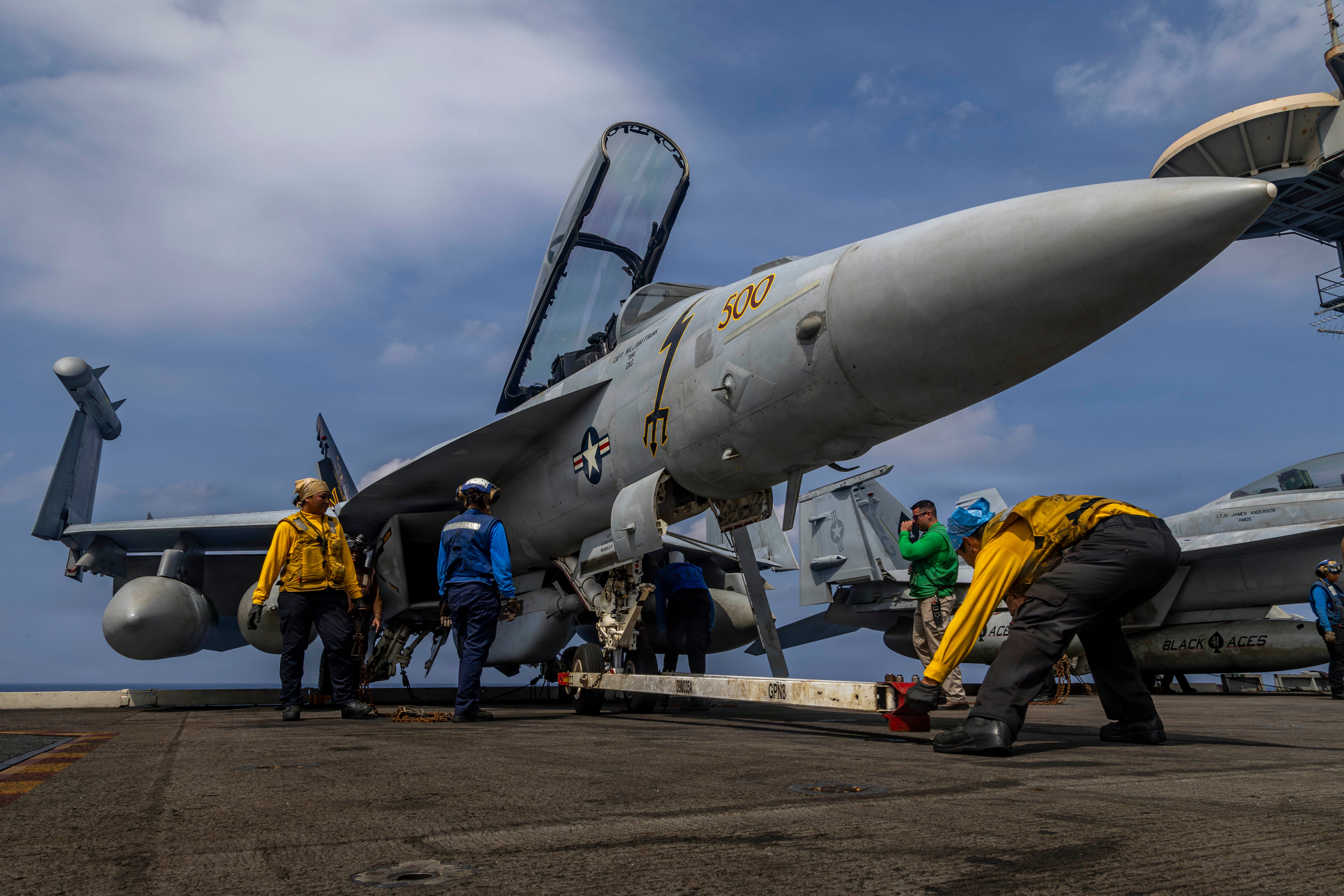
Trump has been deliberating how to attack Iran for weeks, according to officials close to the talks. But the range of options — from a coordinated cyber attack to strikes on nuclear facilities — has been limited by the recent dispersal of U.S. military assets around the world.
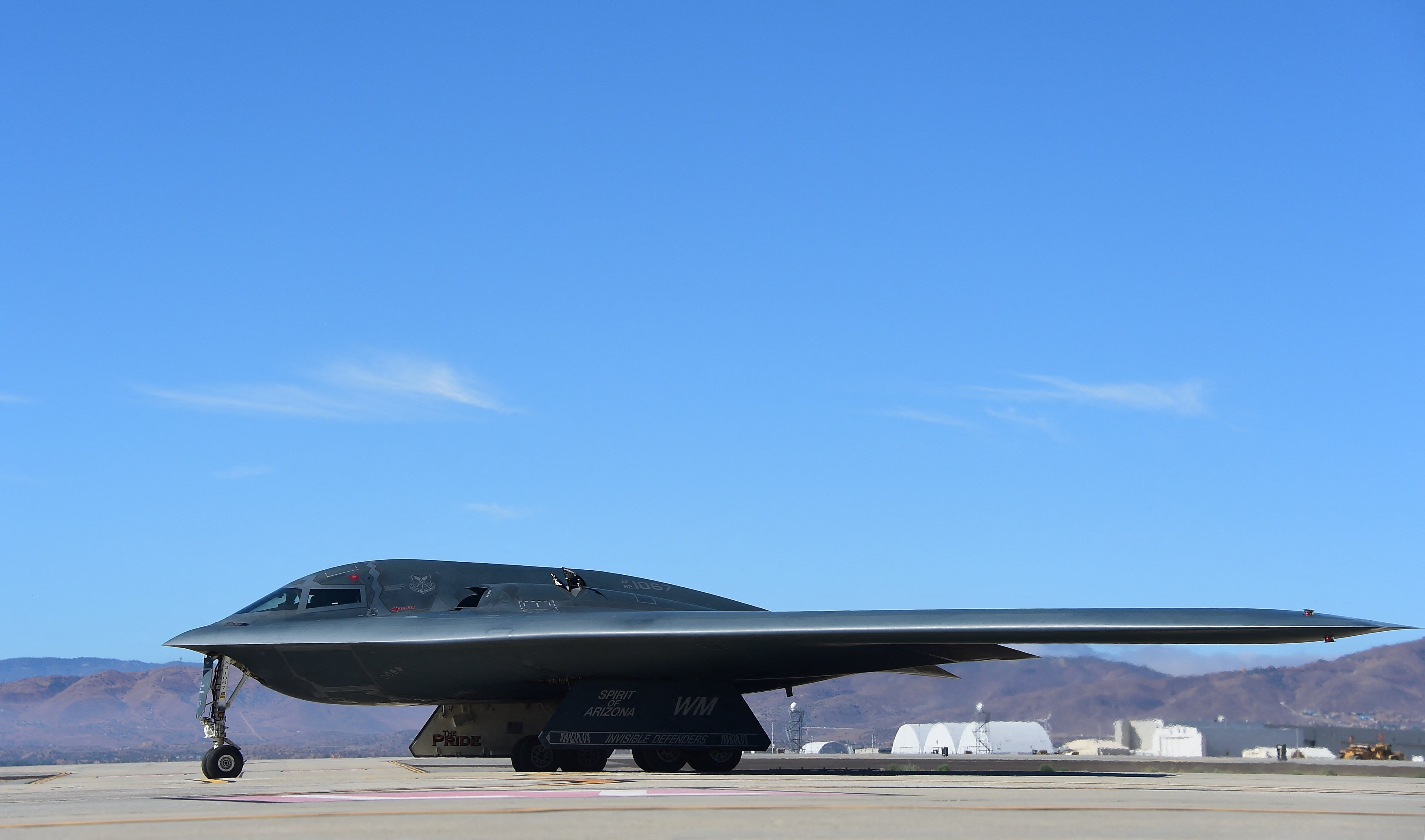
Washington has fewer options than it did when it struck key Iranian sites last summer, using B-2 bombers from Missouri alongside 125 military aircraft, decoys in the Pacific and missiles from a submarine. But the arrival of the Abraham Lincoln carrier strike group lends credibility to his recent threat.
Andreas Krieg, associate Professor in security studies at King's College London, told The Independent that Trump is “trying to run a familiar play”, applying maximum pressure to force movement in negotiations, while leaving open space to ‘off ramp’ “so he can claim a deal rather than own a war”.
“His problem is that he has boxed himself into needed a visible result quickly. If Iran does not offer something tangible, he risks looking like he bluffed. That makes both deescalation and a limited punitive strike plausible in the same week.”
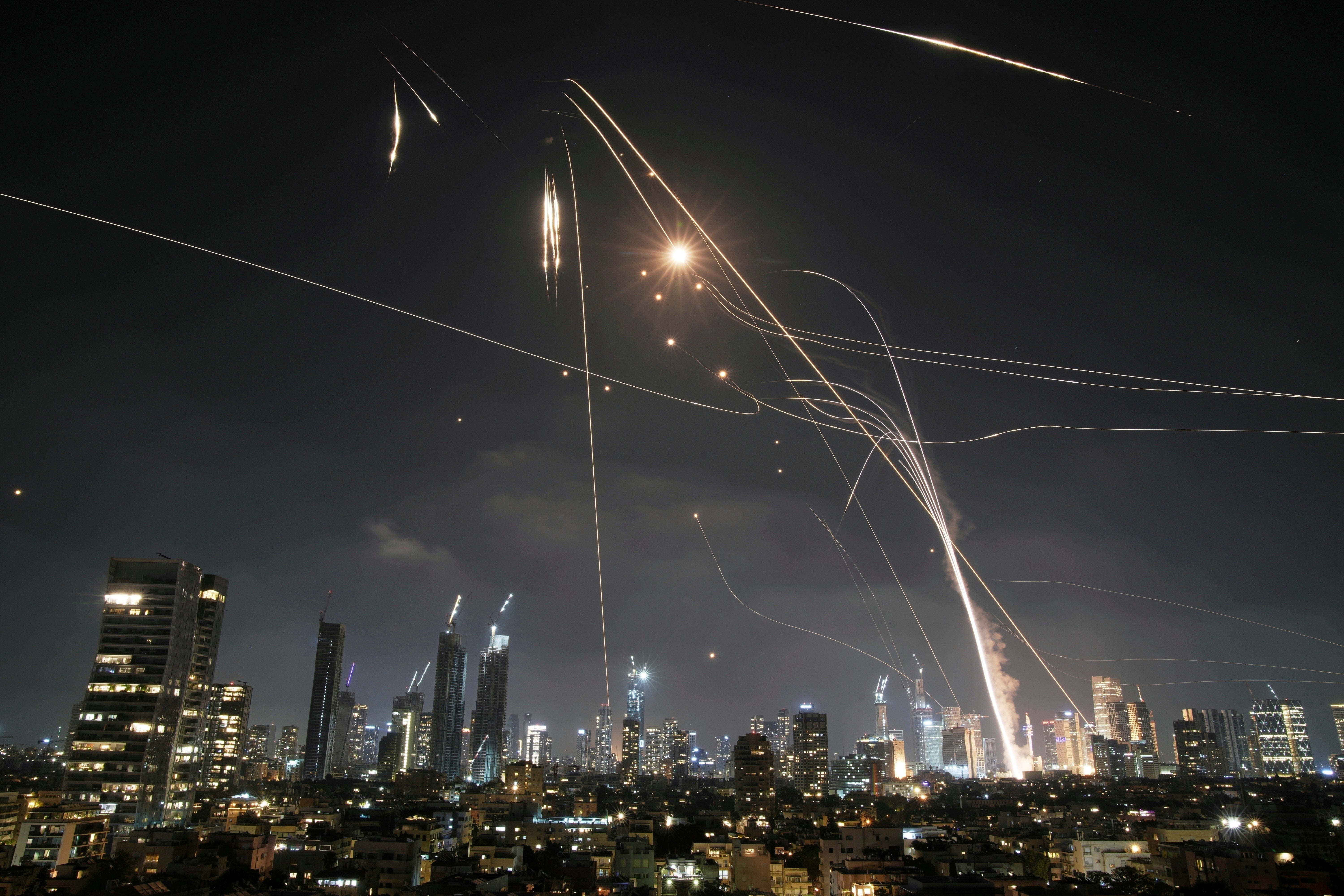
The US could use limited strikes against military bases and nuclear sites to press Iran to make a deal. This would limit civilian casualties, but could also see Iran try to save face with limited retaliatory strikes against US bases in the region.
With recent memory of Iran hitting back at Israel and the U.S. base in Qatar last year, Saudi Arabia and the U.A.E. said this week they would not let the U.S. use their airspace or territory to attack Iran, restricting Washington’s options.
Iran striking back hard
Ali Shamkhani, an adviser to Iran’s supreme leader, said that a U.S. attack on Iran would warrant an “unprecedented” response against the U.S. and Israel. Any military action would be considered “the start of war” and the response would be “immediate”.
Iran has historically tried to save face with fiery rhetoric, even if experts say it lacks the resources to prosecute a regional war. Dr Krieg said the greatest risk would be that it miscalculates a limited response and forces open a wider conflict.
“If the US attacks, Iran’s most likely retaliation is asymmetric and calibrated rather than an immediate all-out exchange. It can target US interests and partners through deniable channels, pressure shipping and energy routes, and use cyber operations.”
“The central danger is miscalculation,” he added. “Coercive signalling can quickly become a war neither side claims to want.”
The U.S. will also be conscious that it has less means to defend itself this year. In July, The Guardian reported that the U.S. only had around 25 per cent of the Patriots it needed after depleting stockpiles in the Middle East.
“If it does become a longer-term volley of strikes, then your interceptor capacity becomes all the more important,” a former defence official told Politico earlier this month. “We could get in a sticky situation very quickly on that front.”
Regime change
US secretary of state Marco Rubio assessed on Wednesday that the Iranian regime was probably weaker than it had ever been. His comments follow the most serious protests against Tehran in years over the country’s deep economic crisis.
Multiple sources told Reuters that Trump was weighing strikes that would aim to inspire protesters and create the conditions for regime change. But setting out to topple the regime would be a costly and uncertain venture for the U.S., experts say.
Arab officials and Western diplomats told Reuters they were concerned that instead of bringing people onto the streets, U.S. strikes could weaken a movement already in shock after the bloodiest repression by authorities since the 1979 Islamic Revolution.
Alex Vatanka, director of the Iran Program at the Middle East Institute, said that without large-scale military defections Iran's protests remained “heroic but outgunned.”
Trump has also notably avoided endorsing a successor, and Iran’s exiled crown prince Reza Pahlavi lacks sufficient support within the country to immediately be installed as leader.
Join our commenting forum
Join thought-provoking conversations, follow other Independent readers and see their replies
Comments
Bookmark popover
Removed from bookmarks