With Burns Night around the corner, tips for growing your own neeps and tatties
How to grow your own turnips and potatoes

As Burns Night approaches, many will be preparing the traditional feast of haggis, accompanied by the essential ‘neeps and tatties’.
For those keen to add a truly personal touch to next year's celebration of Scotland’s national poet, Robert "Rabbie" Burns, cultivating your own turnips and potatoes is a rewarding endeavour.
Planning ahead is crucial for gardeners aiming to bring homegrown produce to the table. So, how can you start growing your own neeps and tatties?
Turnips
For winter turnips, you’ll need maincrop varieties which are slower growing than their summer relatives but can be easily stored through the cooler months.
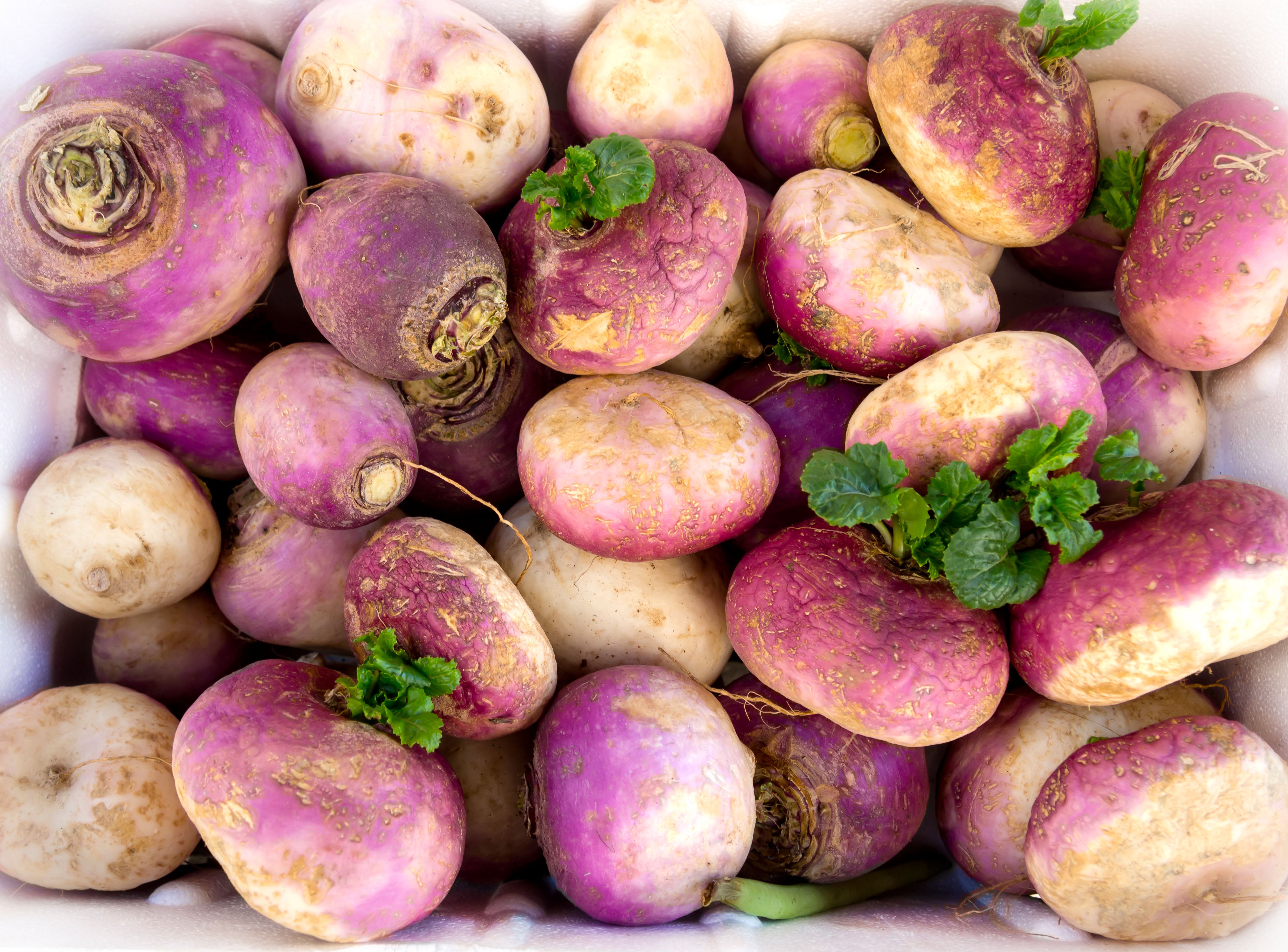
They’re a member of the cabbage (brassica) family and prefer a reasonably fertile slightly alkaline soil, in a sunny spot in cool conditions and moisture-retentive soil.
The soil will need to be raked to a fine crumbly texture and organic matter added before sowing.
Calendar
While turnips can be grown between February and August, if you want them for Burns Night, sow the seeds directly into the ground in July or August, spacing rows 30cm apart.
If necessary, thin them early to avoid damaging the roots, leaving 15cm between plants. They should be ready in around 10 weeks.
Maintenance
If the weather is particularly dry when you sow, make sure you water the seedbed regularly to avoid the roots from splitting and keep the area well weeded to avoid competition.
Harvest
Maincrop turnips sown in summer should be ready for harvesting in autumn, depending on the variety. Don’t let your turnips get too big or they will become woody. Harvest them when they are about the size of a golf ball or tennis ball and make sure you do it before the cold weather really sets in as they are not winter hardy.
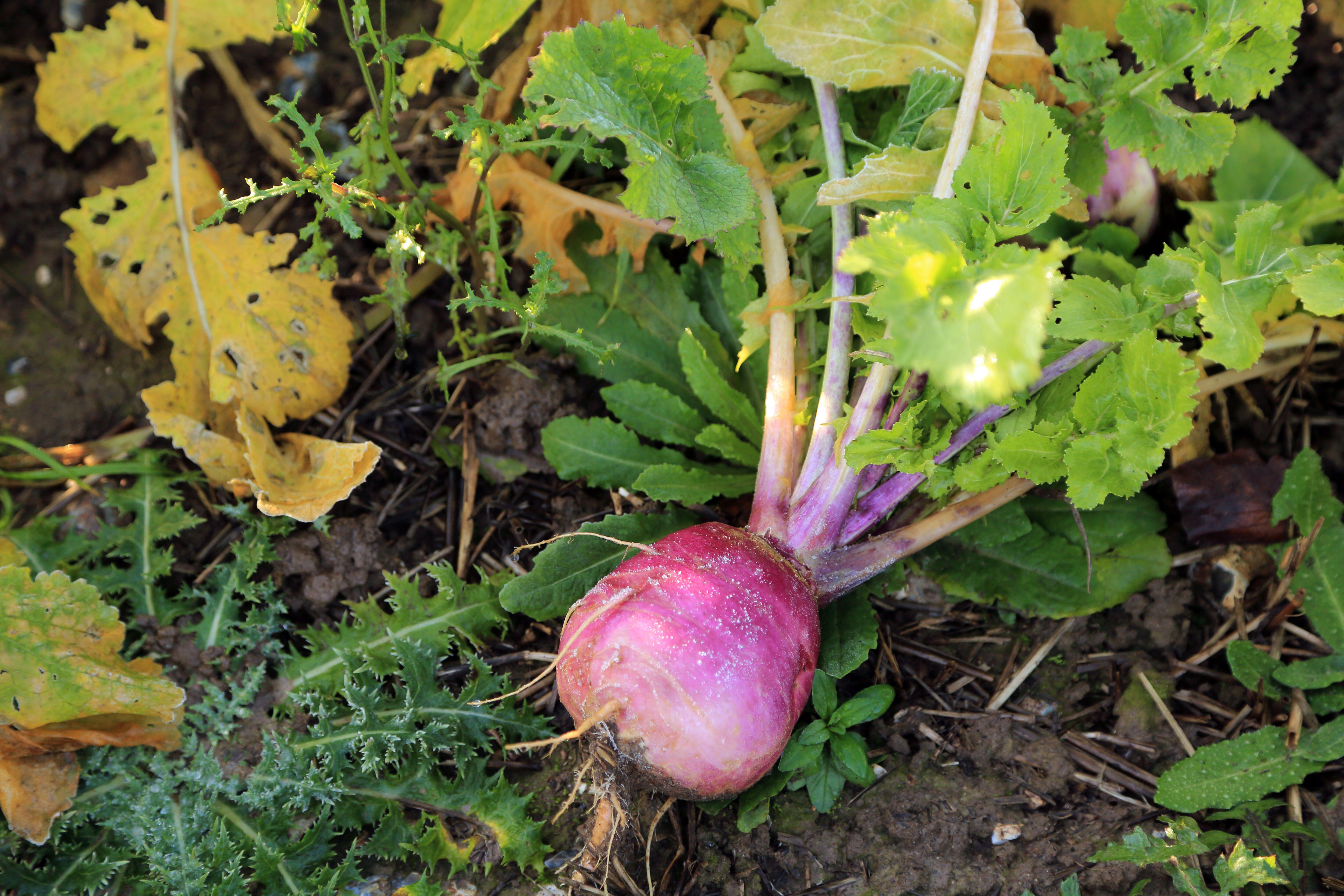
You can store the autumn harvest in a cool, frost-free place, ideally in a shallow box covered with sand or coir compost. Good varieties include ‘Purple Top Milan’, ‘Green Globe’ and ‘Snowball’.
You can also sow the crop under cover in a cold polytunnel or greenhouse, or in a large container, and if you do this you could be harvesting them through to November, as long as the frost doesn’t get to them.
Potatoes
Late-season maincrop varieties with good storage and floury or creamy texture are the ideal types to grow for Burns Night, perfect for mashing and baking, such as blight-resistant ‘Sarpo Mira’, ‘Maris Piper’ or ‘Golden Wonder’.
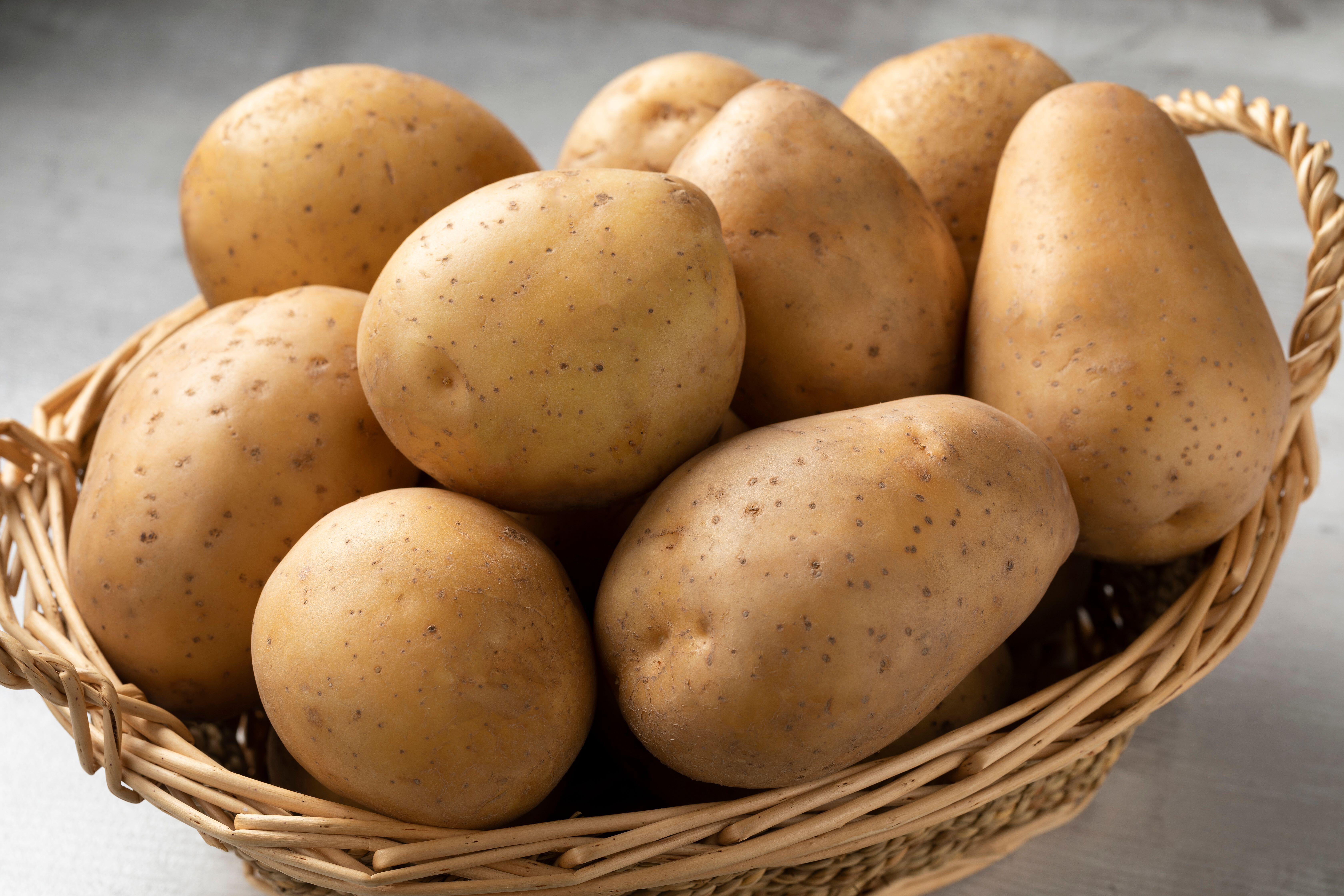
They will take up a lot of room, but if you’re limited on space you can grow them in large pots or even a sack filled with compost. As the plants grow, soil can be gradually piled up around the stems, known as earthing up, to bury the developing tubers.
Avoid planting them in waterlogged ground or spots where you’re likely to get late frost, as potatoes are susceptible to frost.
Calendar
Buy maincrop seed potatoes – small, stored tubers which you can buy in bags in late winter – which can be planted out at the end of April, in deep, well-drained soil with added organic matter such as compost, which should ideally be incorporated in the previous autumn or winter.
Prepare the ground in January, loosening the area and working in some well-rotted manure.
Unlike early varieties which benefit from chitting (encouraging seed potatoes to start sprouting by placing them in egg boxes on a windowsill with ‘eyes’ uppermost a few weeks before you plant them), maincrop types are in the ground much longer so don’t need to be chitted.
They will be in the ground through summer and into autumn, but will produce bigger potatoes which are better for storing.
Plant tubers around 15cm deep and 40cm apart, in rows around 75cm apart.
Maintenance
When the first shoots appear above the surface, ‘earth up’ by drawing up soil around and over them with a draw hoe or soil rake to cover them. This encourages underground shoots and more potatoes, and prevents tubers which have emerged on the surface turning green.
Leave just the top 10cm (4in) of the plants visible and repeat the process several times as the stems grow.
Water maincrop potatoes later on in the summer once the tubers are forming, as if you keep watering them before that you are only going to encourage leaves. When flowers start to appear in late summer, give them a good soaking.
Harvest
Potatoes are ready for harvesting after the flowering stems and leaves have died down, through to October.
You can leave them in the ground until you need them, but be aware that slugs may do a lot of damage the longer you leave them there.
Dig them up on a dry day, brush off any soil and store them in either hessian or paper sacks in a cool, dry place. Check regularly for any showing signs of rotting and remove them, but kept in the right conditions they can last for months – far beyond Burns Night.
Burns Night is on January 25.
Bookmark popover
Removed from bookmarks