Nasa’s Artemis astronauts enter quarantine ahead of Moon mission
It will be the furthest humans have travelled from Earth since Apollo 17 in 1972

Four astronauts have entered quarantine ahead of the first mission around the Moon in more than 50 years.
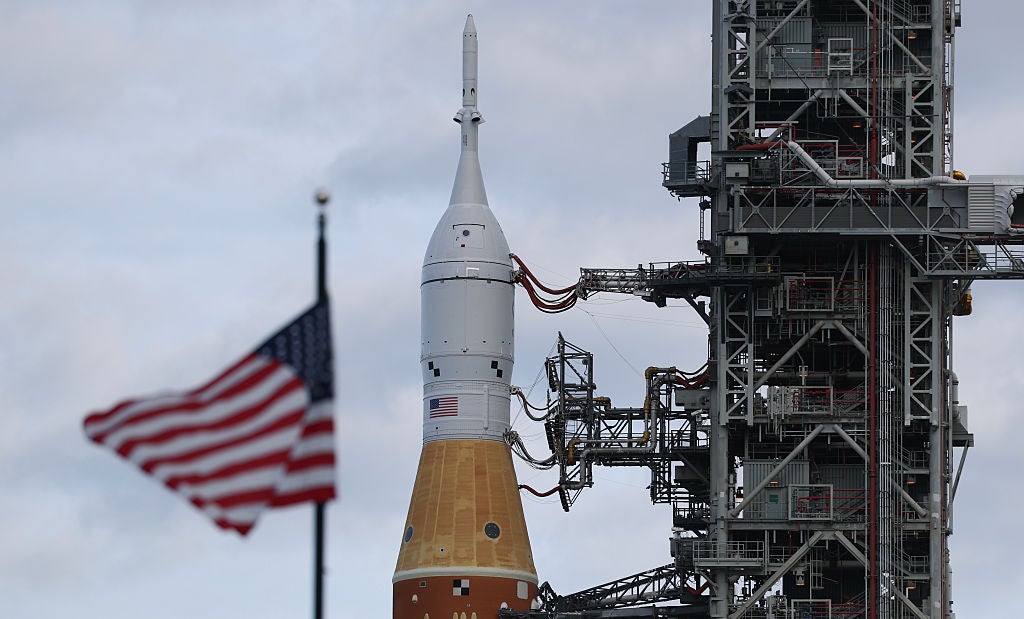
The Artemis II mission is scheduled to lift off at some point next month, with Nasa rolling out the rocket earlier this month ahead of the launch window opening in early February.
Three Nasa astronauts – Reid Wiseman, Victor Glover and Christina Koch – and Canadian Space Agency (CSA) astronaut Jeremy Hansen will spend an estimated 14 days in quarantine in order to limit their exposure to illnesses.
“Beginning quarantine now preserves flexibility as teams work toward potential opportunities in the February launch period,” Nasa wrote in a mission update.
“At this time, the agency still has not set an official launch date as testing continues for the rocket and spacecraft. Pending the outcome of the wet dress rehearsal or other operations considerations, the crew can come out of quarantine, and re-enter 14 days before any launch date.”
The quarantine, known as the health stabilisation program, will begin in Houston, Texas, before moving to Nasa’s Kennedy Space Center in Florida six days ahead of launch.
The crew will still be able to contact friends, family and colleagues, but they will avoid public places, wear masks, and maintain distance from anyone they come in contact with.
On the date of launch, the astronauts will climb into the Orion spacecraft, which sits atop Nasa’s Space Launch System (SLS) rocket, and lift off over the Atlantic Ocean.
The 10-day mission will take them around the Moon and back, before splashing down in the Pacific Ocean.
It will be the furthest humans have travelled from Earth since the Apollo 17 mission in 1972, which was also the last time an astronaut walked on the Moon.
The Artemis II mission is designed to test the systems and hardware needed to continue with the Artemis program, which aims to return people to the surface of the Moon for the first time since Apollo 17.
The first crewed Moon landing is scheduled to take place at some point in 2027 as part of the Artemis III mission.
In its latest mission update, the US space agency said the goal of returning to the Moon is for “scientific discovery and economic benefits”, while also providing a basis for future crewed missions to Mars.
Join our commenting forum
Join thought-provoking conversations, follow other Independent readers and see their replies
Comments
Bookmark popover
Removed from bookmarks