NASA Curiosity rover discovers coral-like flower-shaped rocks on Mars
NASA says new images and data are ‘raising new questions about how the Martian surface was changing billions of years ago’
NASA’s Curiosity Rover has taken images of coral-like and flower-shaped rocks on Mars, which have been estimated to be billions of years old.
On July 24, the rover sent images of a wind-eroded rock about one inch wide, resembling a piece of a coral reef.
NASA has said that the rover has taken many images of rocks of this type. The space agency noted that when liquid water still existed on the planet, it carried dissolved minerals into the cracks of rocks. When the liquid dried, it deposited hardened minerals.
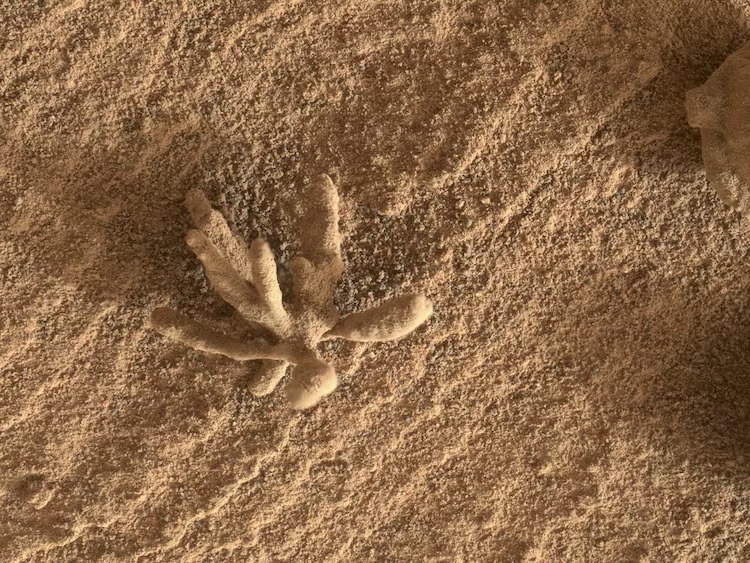
“This common process, seen extensively on Earth, has produced fantastic shapes on Mars, including a flower-shaped rock,” the agency said in a statement.
NASA noted that the “unique shapes” seen today came to be after billions of years of sandblasting.
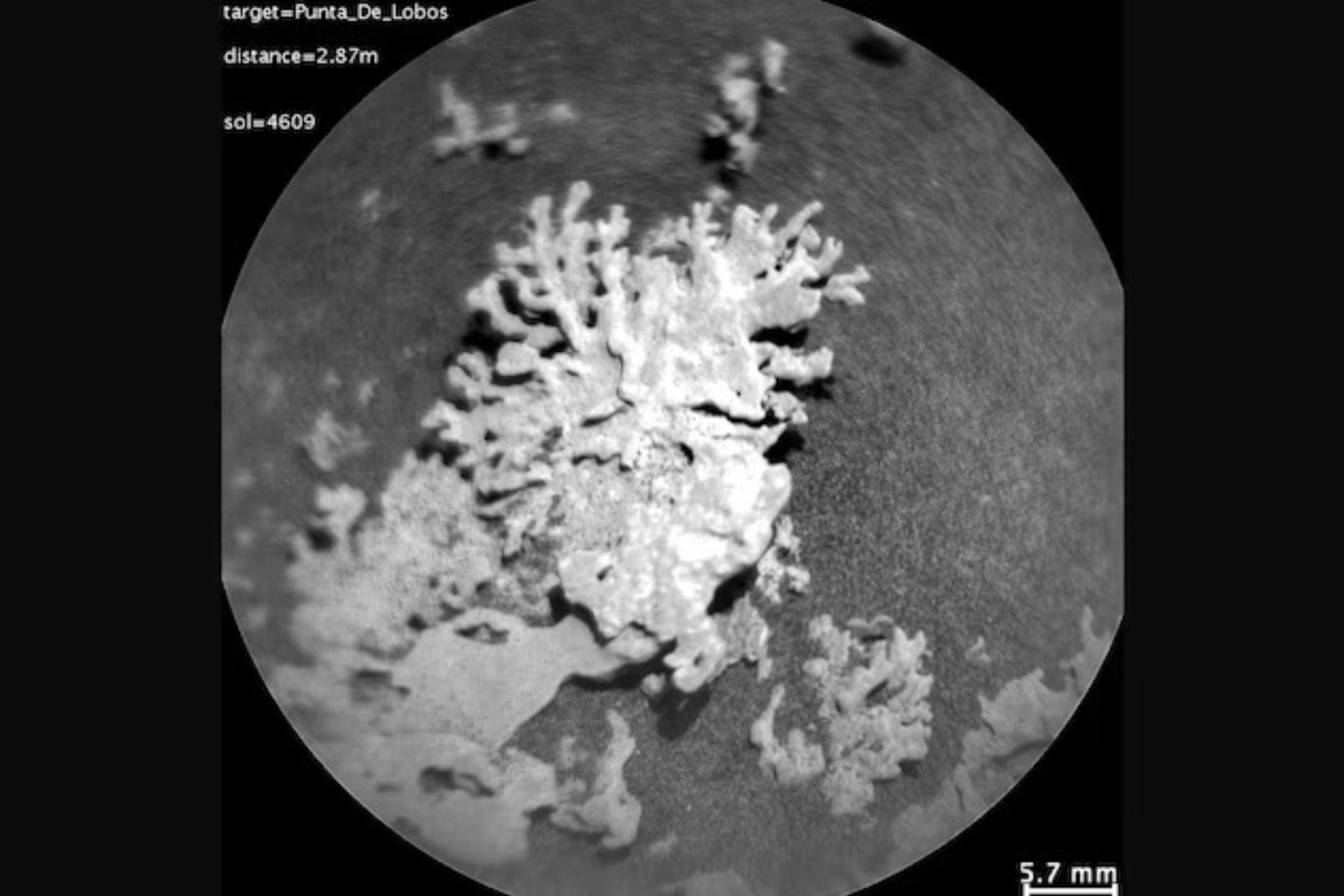


A uniquely shaped rock nicknamed “Paposo” was also found on July 24. Similarly, another rock shaped like a flower was discovered in 2022.
According to NASA, the flower rock is believed to have formed as mineralizing liquids went through conduits in the rock.
The Jet Propulsion Laboratory built the rover, which is leading its Mars mission.
After travelling for eight months and 352 million miles, the rover landed on Mars in 2012. NASA noted that it was the largest and most capable rover ever sent to Mars at the time.
The rover has explored as much as 22 miles of the planet and previously found chemical and mineral evidence of previous habitable environments.
According to NASA, the rover is continuing to gather samples and data from a time when Mars may have hosted microbial life.
The one-inch rock was found in the Gale Crater, an impact basin. In June, Curiosity took images of a geological structure called “spiderwebs” because of its pattern of ridges, also indicating that Mars previously had water that has since hardened.
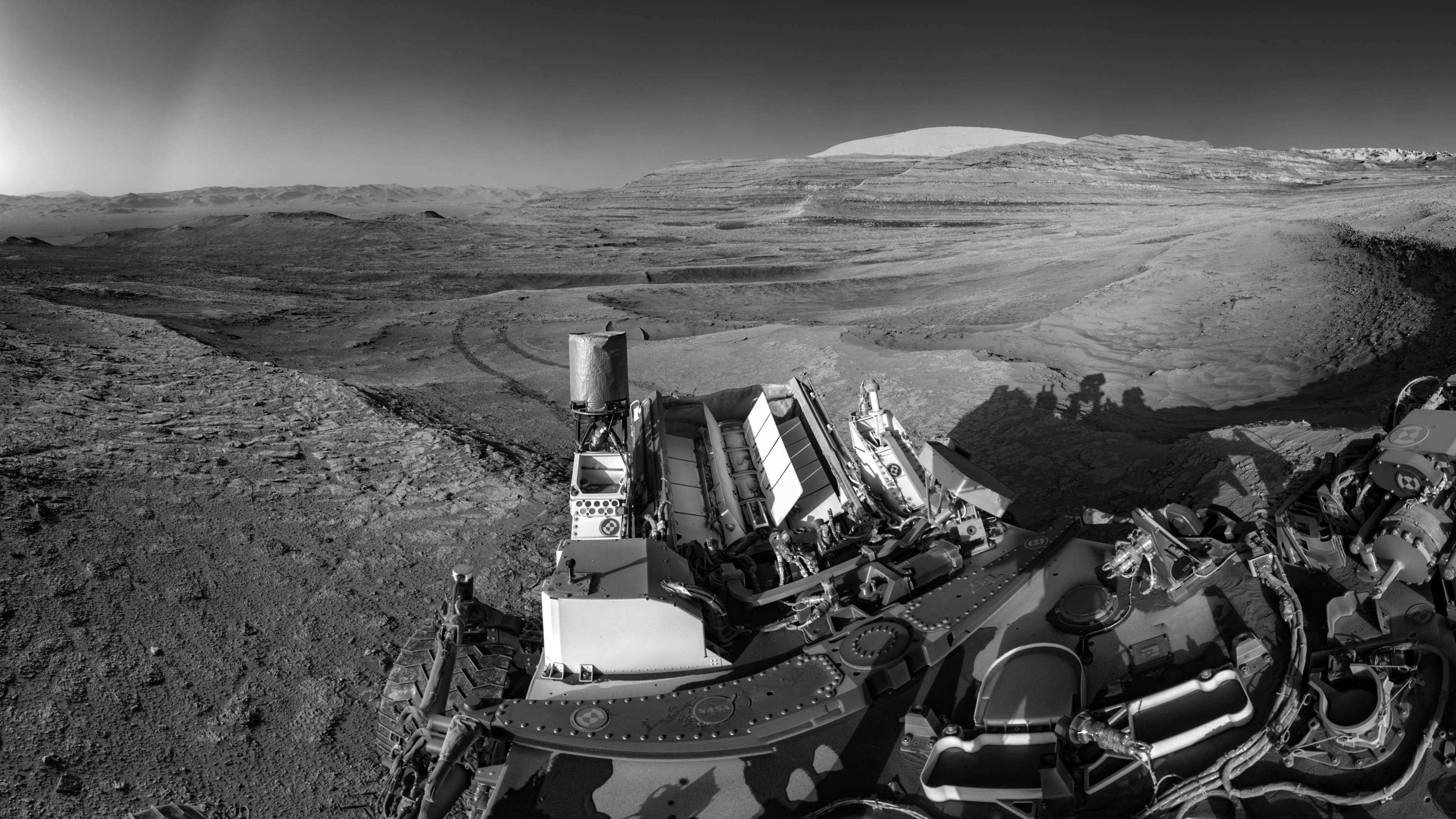
“The images and data being collected are already raising new questions about how the Martian surface was changing billions of years ago,” NASA said in a June statement.
“The Red Planet once had rivers, lakes, and possibly an ocean. Although scientists aren’t sure why, its water eventually dried up and the planet transformed into the chilly desert it is today,” the agency added. “Remarkably, the boxwork patterns show that even in the midst of this drying, water was still present underground, creating changes seen today.”
“Eons of sandblasting by Martian wind wore away the rock but not the minerals, revealing networks of resistant ridges within,” said the agency.
Join our commenting forum
Join thought-provoking conversations, follow other Independent readers and see their replies
Comments
Bookmark popover
Removed from bookmarks