NASA commits to nuclear reactor on the moon by 2030 after Trump admin pushed for expedited timeline
The reactor would be a major tool for future moon and Mars missions
The National Aeronautics and Space Administration and the U.S. Department of Energy have announced a commitment to develop a nuclear reactor on the moon by 2030.
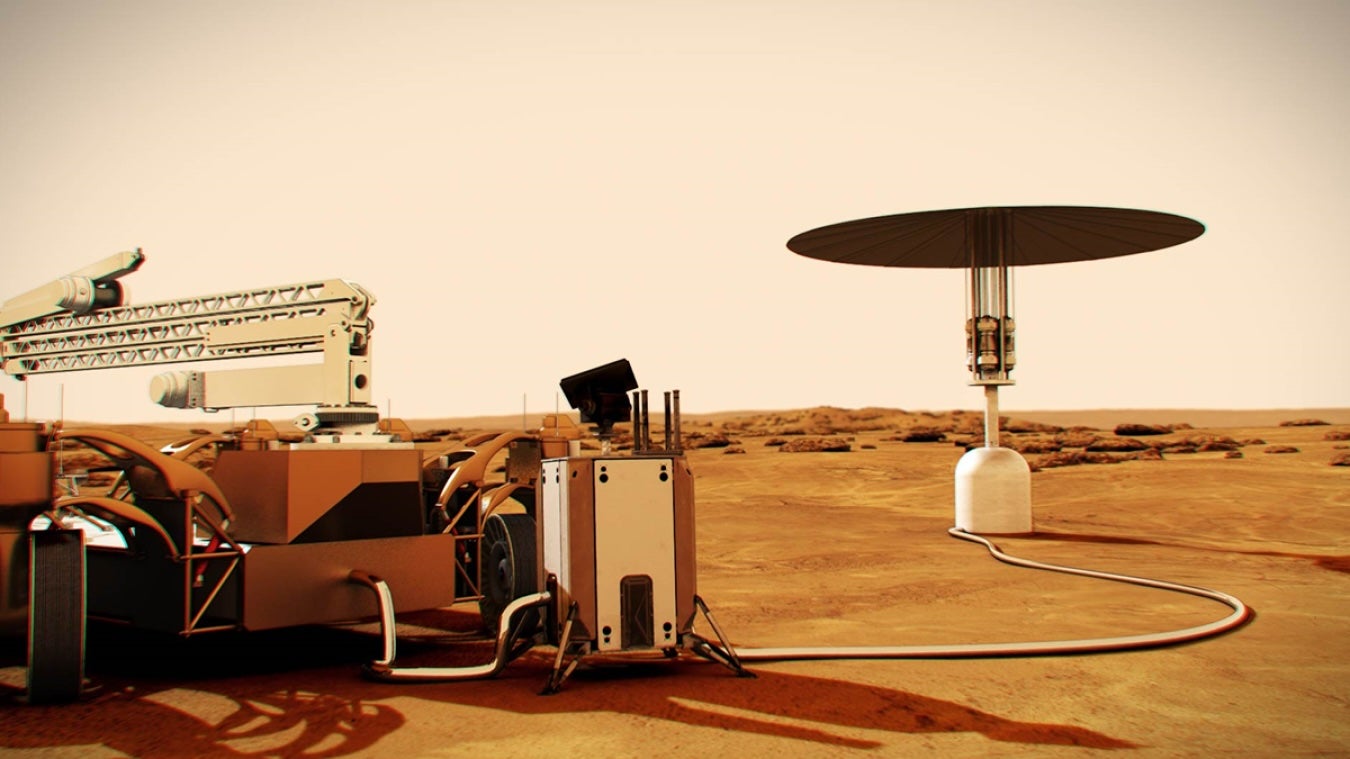
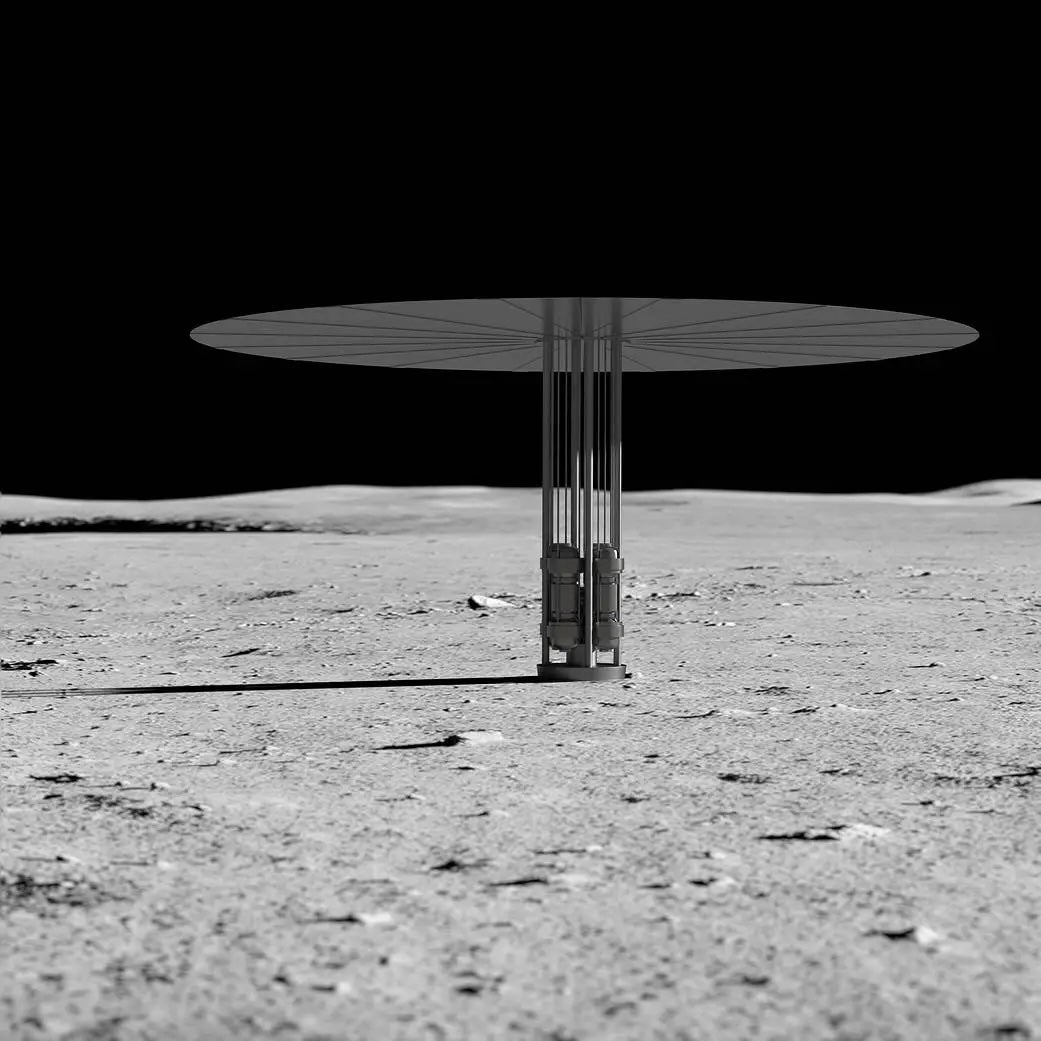
The lunar surface reactor relies on nuclear fission to power the space agency’s upcoming Artemis campaign and future missions to Mars.
The agencies signed a memorandum of understanding that also aims to deploy nuclear reactors in orbit, according to NASA.
The president issued an executive order in December that called for a renewed focus on the reactors and “American space superiority.”
Secretary of Energy Chris Wright said he believes it will “one of the greatest technical achievements in the history of nuclear energy and space exploration.”
“Under President Trump’s national space policy, America is committed to returning to the moon, building the infrastructure to stay and making the investments required for the next giant leap to Mars and beyond,” newly-confirmed NASA Administrator Jared Isaacman, a SpaceX astronaut and friend of SpaceX founder Elon Musk, said in a statement. “Achieving this future requires harnessing nuclear power.”
A faster timeline
Former Acting Administrator Sean Duffy pushed to expedite the timeline for the reactor last summer – after China and Russia announced a plan to build a nuclear reactor for a lunar base by 2035.
“The first country to do so could potentially declare a ‘keep-out’ zone which would significantly inhibit the United States from establishing a planned Artemis presence if not there first,” Duffy warned.
NASA first announced that it would put a reactor on the moon “within a decade” in 2021. By 2024, the agency said the target date for delivering a reactor to a launchpad was in the early 2030s.
Nuclear space reactors were first developed in the U.S. in the 1950s.
Fly me to the moon
Like nuclear reactors on Earth, the lunar reactor’s fission surface power works by splitting uranium atoms inside a reactor to generate heat that is then converted to electricity, according to the Department of Energy.
The idea is that the reactor will be able to provide consistent power regardless of available sunlight or weather.
It will have to be able to operate for years without the need to refuel.
The reactors will need to be lightweight and relatively small, too, providing at least 40 kilowatts of power: which is enough to run 30 households for a decade, NASA says.
A moonshot?
The feasibility of putting a reactor on the moon within even decades has been questioned by some experts.
NASA would need a working launch vehicle to send the reactor up on and the ability to land on the moon.
“It was in the last Trump administration that NASA had put out a press release, they had a YouTube video, they had these announcements about how they’re going to develop these small, modular nuclear reactors for use on the moon, and it was going to be ready by 2026,” national security analyst, nuclear expert and author Joseph Cirincione told The Independent in August.
“Oh, really? So, where is it?”
Still, others are more bullish about the idea.
“It’s possible, but it will require serious commitment,” Dr. Bhavya Lal, a former associate administrator for technology, policy, and strategy at NASA, told The Independent.
Sebastian Corbisiero, a senior program manager at Idaho National Laboratory who leads the Energy Department’s space reactor program, told The Independent that a nuclear reactor on the moon is “doable” by 2030.
Join our commenting forum
Join thought-provoking conversations, follow other Independent readers and see their replies
Comments
Bookmark popover
Removed from bookmarks