Space food made from astronaut pee to be tested aboard the ISS
Solein protein powder could sustain space explorers on Mars missions
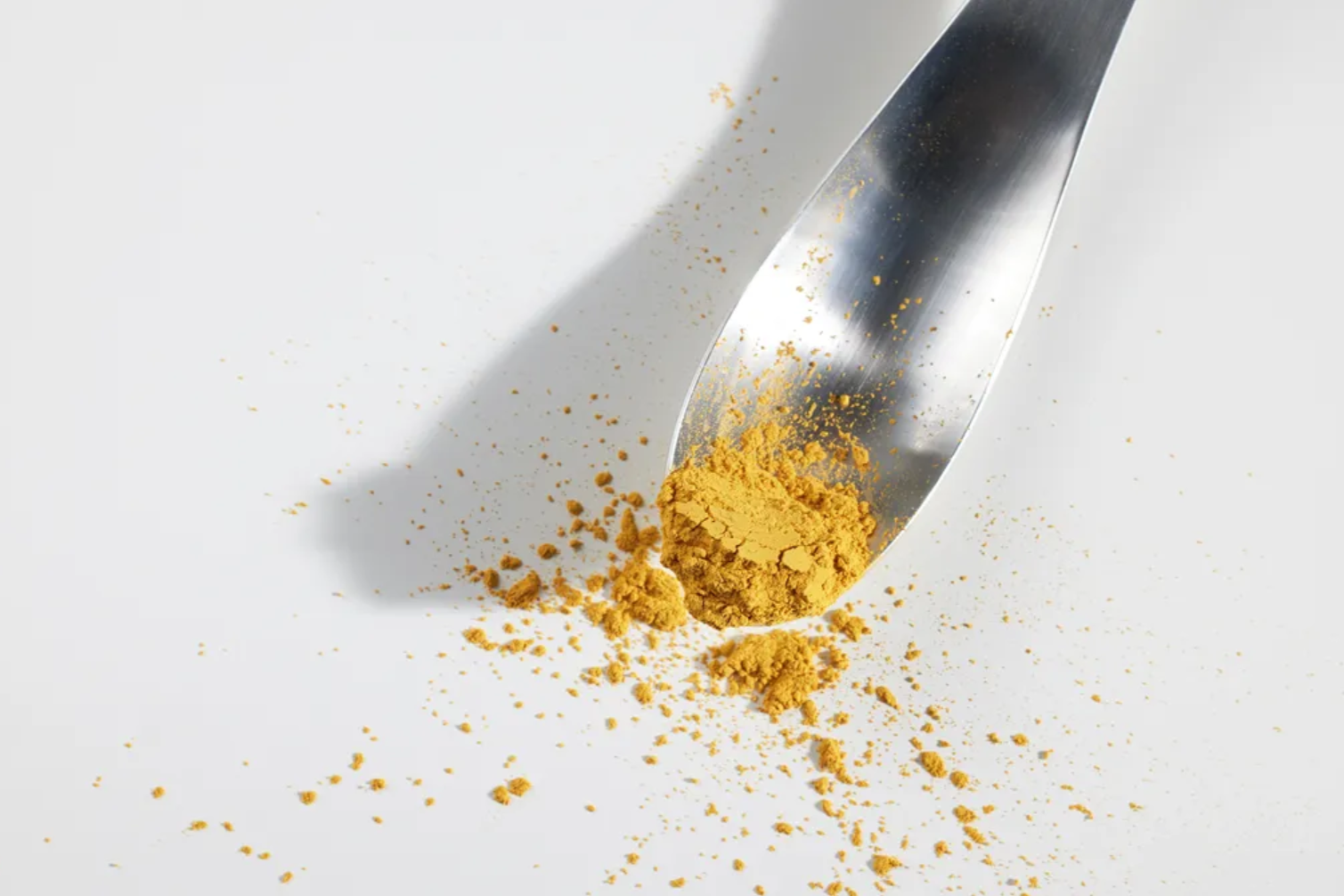
Future astronauts on long-duration missions to the Moon or Mars could survive on a protein powder made from “thin air” and urine, the European Space Agency has announced.
A new pilot program aims to test the feasibility of producing a protein powder called Solein, which requires just microbes, air and electricity to manufacture.
Developed by Finnish startup Solar Foods, the nutritious powder relies on urea – found in urine – as a nitrogen source for protein synthesis.
The ESA will fund a project to test the manufacturing of this new form of space food aboard the International Space Station (ISS).
It will be the first time that the fundamentals of gas fermentation technology will be used in a space environment, and could have profound implications of the future diets of astronauts.
“The behavior of gases and liquids in microgravity is vastly different due to lack of buoyancy which can drastically affect the transport of nutrients and gases for Solein microbes,” said Arttu Luukanen, senior vice president of space & defence at Solar Foods.
“This project is just the beginning – We are working towards reaching operational capability: being able to produce Solein in a range of production scales in space. Our vision is that by 2035, Solein is the mainstay protein of space explorers.
The first phase of the HOBI-WAN (Hydrogen Oxidizing Bacteria In Weightlessness As a source of Nutrition) project will focus on developing the technology on the ground, before testing the manufacturing capabilities in a microgravity environment.
“This project aims at developing a key resource which will allow us to improve human spaceflight’s autonomy, resilience and also the well-being of our astronauts,” said Angelique Van Ombergen, ESA’s chief exploration scientist.
“For human beings to be able to implement long duration missions on the Moon, or even one day, to go to Mars, will require innovative and sustainable solutions to be able to survive with limited supplies. With this project, we the ESA is developing a key capability for the future of space exploration.”
Join our commenting forum
Join thought-provoking conversations, follow other Independent readers and see their replies
Comments
Bookmark popover
Removed from bookmarks