Biggest supermoon of the year to appear on Bonfire Night
November’s full moon, also known as the Beaver Moon, will peak just as it reaches its closest point to Earth
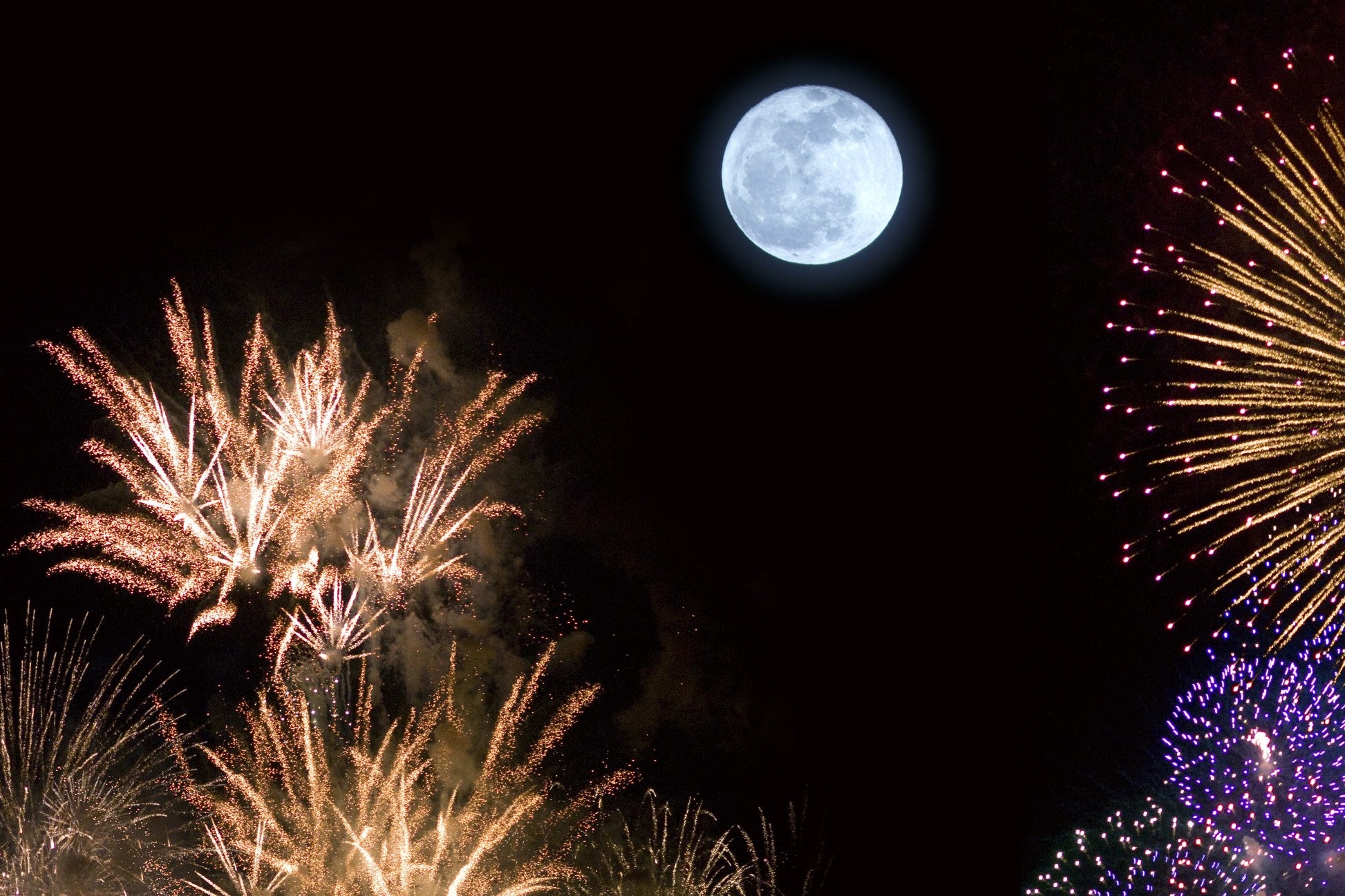
The biggest and brightest full moon of the year will appear alongside fireworks displays throughout the UK this week, as it coincides with Bonfire Night.
November’s supermoon, also known as the Beaver Moon, will reach its closest point to Earth – 356,833 kilometres (221,726 miles) away – at 10:30pm on Wednesday, 5 November, just hours after reaching its full moon peak.
It is the second of three consecutive supermoons in 2025, which occur when the Moon is within 90 per cent of its closest point to Earth, also known as its perigee.
The Moon can appear up to 14 per cent bigger and 30 per cent brighter during this period, while a visual effect known as the Moon Illusion can make it appear even larger as it rises or sets over the horizon.
“Photographs prove that the Moon is the same width near the horizon as when it’s high in the sky, but that’s not what we perceive with our eyes,” Nasa noted in a blog post.
“Thus it’s an illusion rooted in the way our brains process visual information. Even though we’ve been observing it for thousands of years, there’s still not a satisfying scientific explanation for exactly why we see it.”
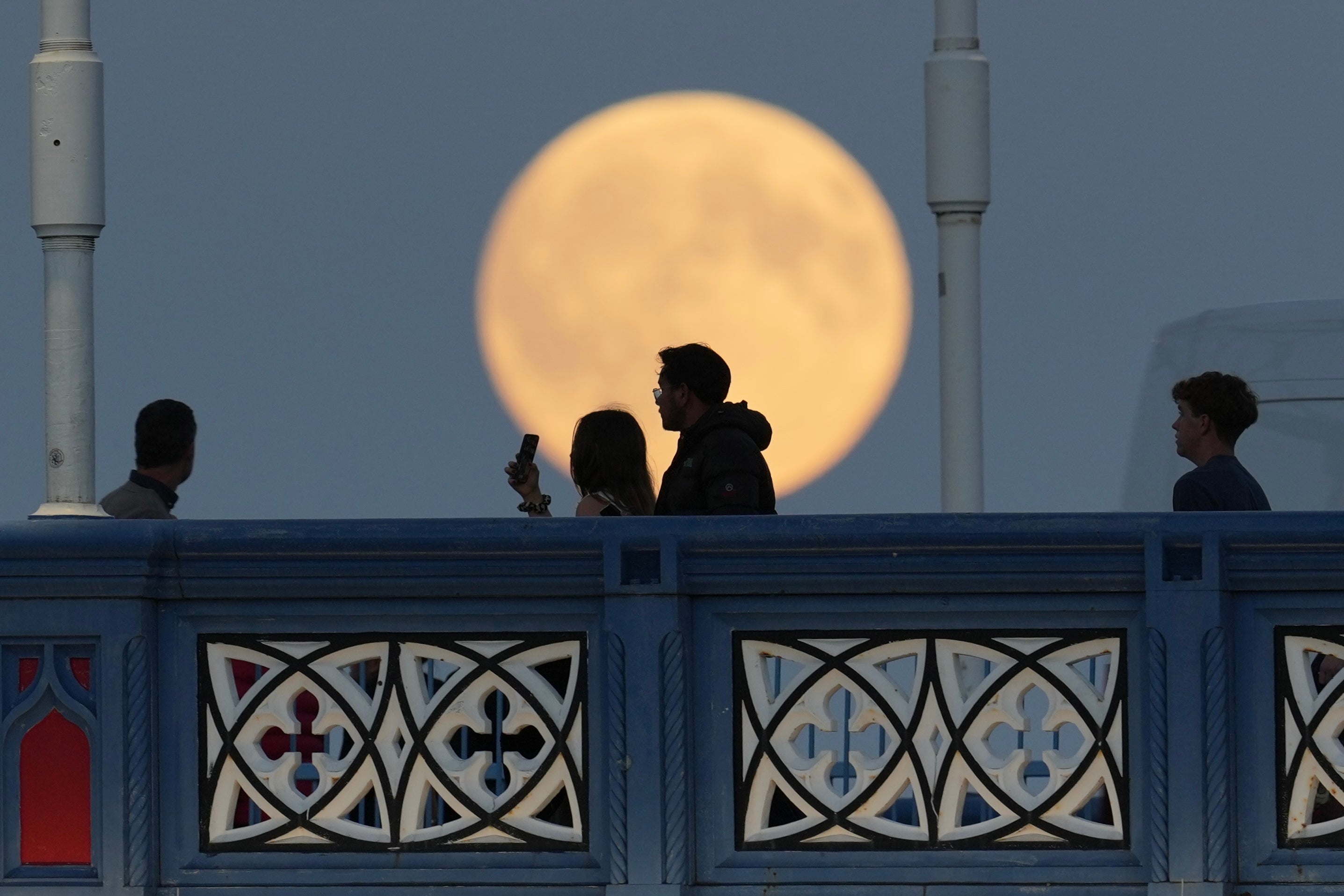
Tides may be slightly higher during a supermoon because the moon is closer to Earth, said astronomer Lawrence Wasserman with Lowell Observatory. But the difference isn't very noticeable.
No special equipment is needed to view the supermoon if clear skies permit. But the change in the Moon's size can be tough to discern with the naked eye.
“The difference is most obvious as a comparison between other images or observations,” said Shannon Schmoll, director of Abrams Planetarium at Michigan State University.
Supermoons happen a few times a year. One in October made the Moon look somewhat larger, and another in December will be the last of the year.
Current weather forecasts suggest conditions in the UK will not be particularly favourable on Wednesday night to see the supermoon.
The Met Office predicts cloud will be covering most of the country on 5 November, though some clear skies will come across the south of England and Wales in the early hours of Thursday, 6 November.
Additional reporting from agencies.
Join our commenting forum
Join thought-provoking conversations, follow other Independent readers and see their replies
Comments
Bookmark popover
Removed from bookmarks