The big mistake boxers make when preparing for a fight... and how it can cost them
Coming into camp overweight can affect an athlete’s training and hand the advantage to their opponent


Lengthy pre-fight training camps are now the norm in professional boxing, with athletes spending the months leading up to a fight in a bubble of trainers, coaches, nutritionists, doctors, scientists and more.
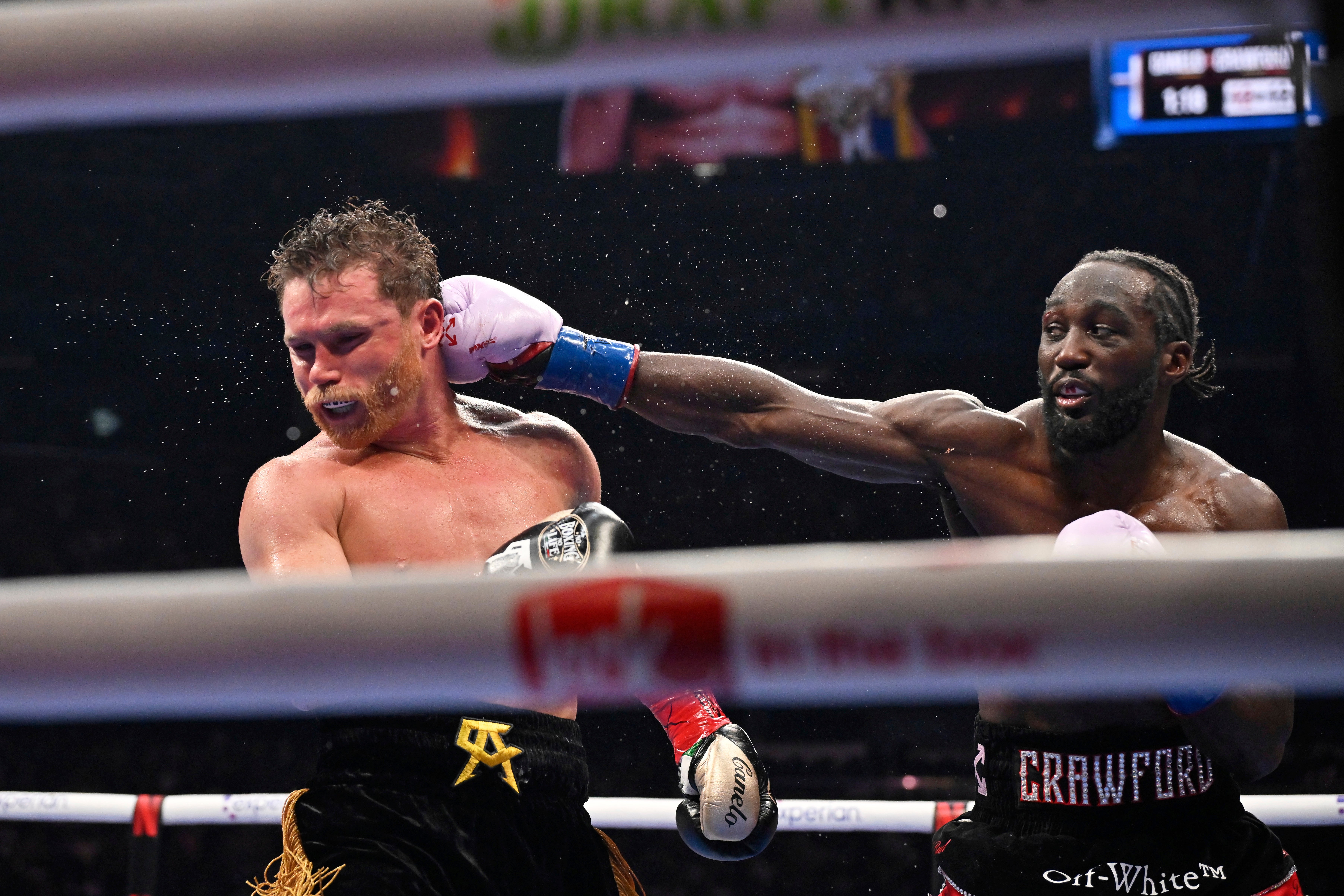
Conor Benn jetted to Mallorca as part of a 70-day camp for his first bout with Chris Eubank Jr, Daniel Dubois assembled a huge team in an attempt to overcome Oleksandr Usyk at Wembley, and Terence Crawford started working out for his career-defining clash with Canelo seven months in advance.
But there is a key mistake many boxers make as they approach a training camp, according to Dr Rhys Morris, a senior lecturer at Nottingham Trent University and strength and conditioning coach specialising in boxing. Worse, this mistake can derail their training and, as a result, swing the upcoming fight in their opponent’s favour.
 How Dave Allen became ‘as fit as he’s ever been’ to face Arslanbek Makhmudov
 Do these five things daily for 90 days to see a ‘profound difference’ in your health, fitness and energy levels
 How strong do you need to be to become a professional boxer?
 Terence Crawford’s brutal workout to build power and strength for Canelo clash
What is the key mistake boxers make ahead of training camps?
“My biggest advice for any fighter is to lose the weight you need to lose before the camp starts,” says Morris.
Depending on the weight division you are competing in, make sure you are only slightly above the weight you will be fighting at when coming into camp, he recommends. This way, your training can focus on developing the physical attributes you need to succeed, rather than forcing coaches to identify weight loss as a primary goal.
“If you do this, you can concentrate on driving performance and moving the needle in a positive way,” Morris continues. “If you’re working out in a calorie deficit, you’re detracting from performance gains.”
This is something Morris has observed in athletes he has worked with. He has watched athletes lose a considerable amount of weight over the course of a pre-fight camp, only for this to be reflected in declining performance metrics – strength, speed, power etc.
Part of the reason for this is that the athlete is underfuelled. A calorie deficit – burning more calories than you consume in a day – is the common denominator for effective weight loss, however the body also requires calories for energy, function and adaptation.
If you are not consuming as much energy each day, not only will your body lack the fuel it needs to train at the intensity required to trigger fitness improvements, but it will also be without the resources it needs to make desirable training adaptations, such as increased strength, power, cardiac output or mitochondrial efficiency.

Enjoy 185+ fights a year on DAZN, the Global Home of Boxing
Never miss a fight from top promoters. Watch on your devices anywhere, anytime.
ADVERTISEMENT. If you sign up to this service we will earn commission. This revenue helps to fund journalism across The Independent.
Enjoy 185+ fights a year on DAZN, the Global Home of Boxing
Never miss a fight from top promoters. Watch on your devices anywhere, anytime.
ADVERTISEMENT. If you sign up to this service we will earn commission. This revenue helps to fund journalism across The Independent.
“When you’re asking an athlete to empty the tank during a sparring session to see if they can repeatedly work hard and then recover, but they haven’t got the energy to do that, everyone starts pointing fingers,” Morris says.
“People might think the fighter is not fit enough, but it could be the case that he is just in a calorie deficit because he is too heavy. These are the conversations that need to be had to understand the whole puzzle of a fighter’s camp.
“Lose weight before, if you can. You don’t need to come in at fighting weight, that would be silly, but certainly don’t leave yourself with eight or 10kg to lose.”
How a strength and conditioning coach helps a fighter make weight
Chet Fortune, Terence Crawford’s long-time strength and conditioning coach, is no stranger to helping fighters make weight, with Crawford moving up two weight divisions to meet – and defeat – Canelo last month.
“That camp was different because there was no need to cut weight,” Fortune says. “That’s what made the camp a little easier. We didn’t have to worry about cutting muscle, we could just dial in as much as possible.”
Crawford actually found that, thanks to the extra calories he was consuming, he was able to train for longer, and at a higher intensity compared to previous camps where he was due to fight at a lower weight.
“I think a lot of boxers, and the general public, don’t understand that when you want to lose weight, the first thing you do is you cut food and you cut carbs – but you’re cutting the fuel for your workouts,” Fortune explains.
The coach says that Bud always comes to camp already in good shape. But this is not necessarily the case with other athletes.
“Bud always comes pretty dialled in, he doesn’t really let himself go, and he’s working out all year long,” Fortune continues. “But a lot of other fighters have to lose 20 or 30lb by the time of the fight.
“To me, that’s a fat camp. Every exercise, we’re focused on cutting as much weight as possible.”
Read more: ‘He’ll finish you with a sledgehammer’: What it’s really like to get punched by Anthony Joshua
Join our commenting forum
Join thought-provoking conversations, follow other Independent readers and see their replies
Comments
Bookmark popover
Removed from bookmarks