Mikel Arteta obsesses over the tiniest details. Is it now harming Arsenal’s title chances?
Arteta’s desire to control every single detail – right down to the steering wheel on the Arsenal bus – is the reason they are leading the title race, writes Miguel Delaney. It is also exhausting, and could become a problem in the run-in
It was the sort of scene that just shouldn’t be possible for a team in command of first place.
Arsenal were going seven points clear and 2-0 up against the Premier League’s doomed bottom side – only to end the match arguing with Wolves players, after a chaotic late equaliser.
They suddenly looked like a team out of control.
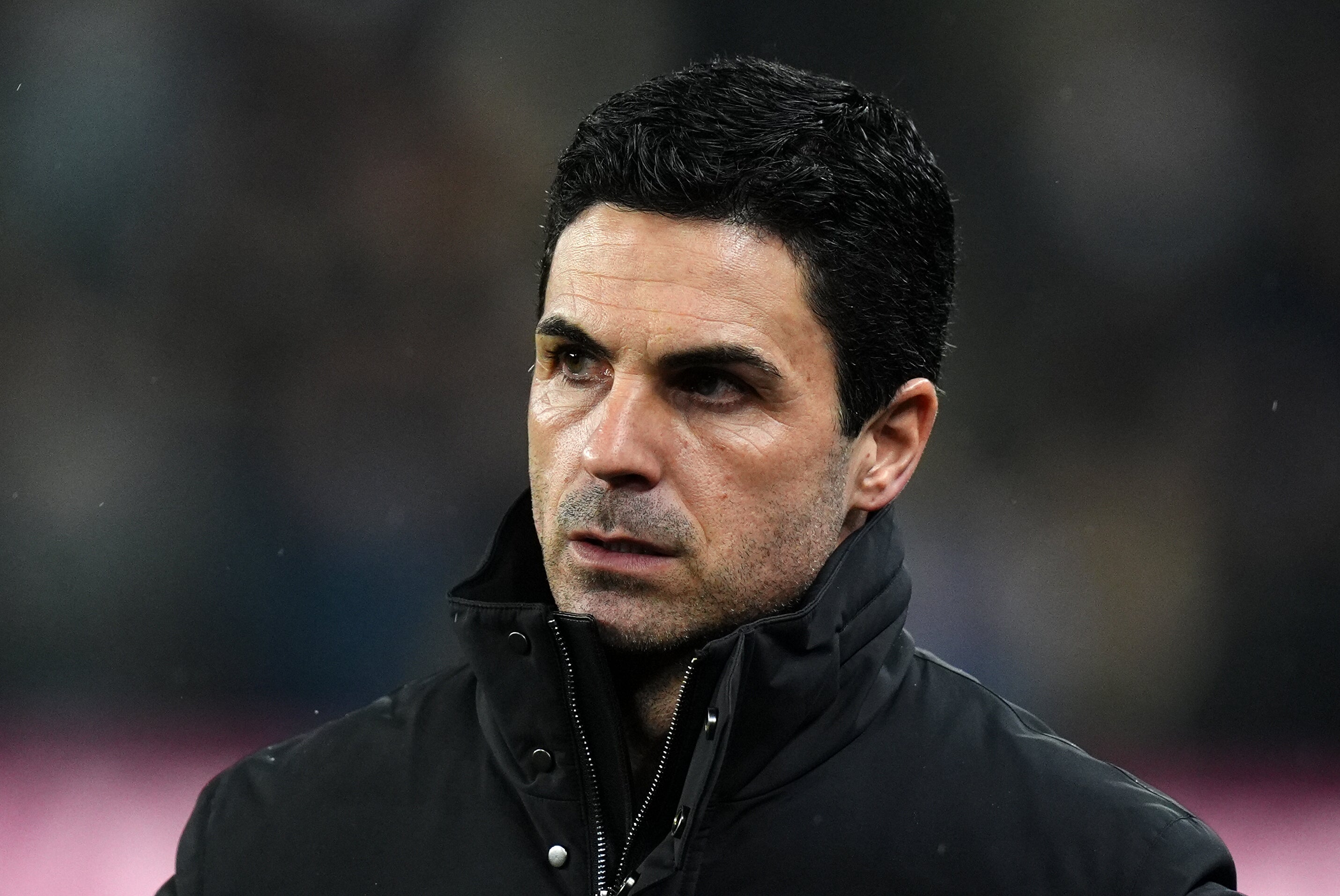
There is a profound irony there, one that could be seen in Mikel Arteta’s shell-shocked post-game press conference.
That is because he is a manager who seeks more control over his team than any manager, including Pep Guardiola.
It is both the reason Arsenal are where they are and a problem that may ultimately prevent them from getting to where they really, really, want to go. The very desire itself has become another issue.
Arteta has been empowered to fully indulge an instinct that was already there – and has taken them this far – but may now start to be self-defeating at the crucial moment when victory is so close.



Those who know Arteta say he is the ultimate “probabilities guy”. He looks at every single detail – right down to the temperature of the ice baths and the steering wheel on the bus – and assesses what can be done to statistically improve the chances of success.
Some around the club have already started to wonder how that fits with the signing and selection of Viktor Gyokeres as the main striker, a struggling player who may unfairly become a lightning rod for criticism if silverware doesn’t happen for Arsenal.
Other sources insist that Arteta is no longer playing to the strengths of such attackers in the way he did between 2022 and 2024. This can be witnessed in relatively pitiful goal numbers for attackers.
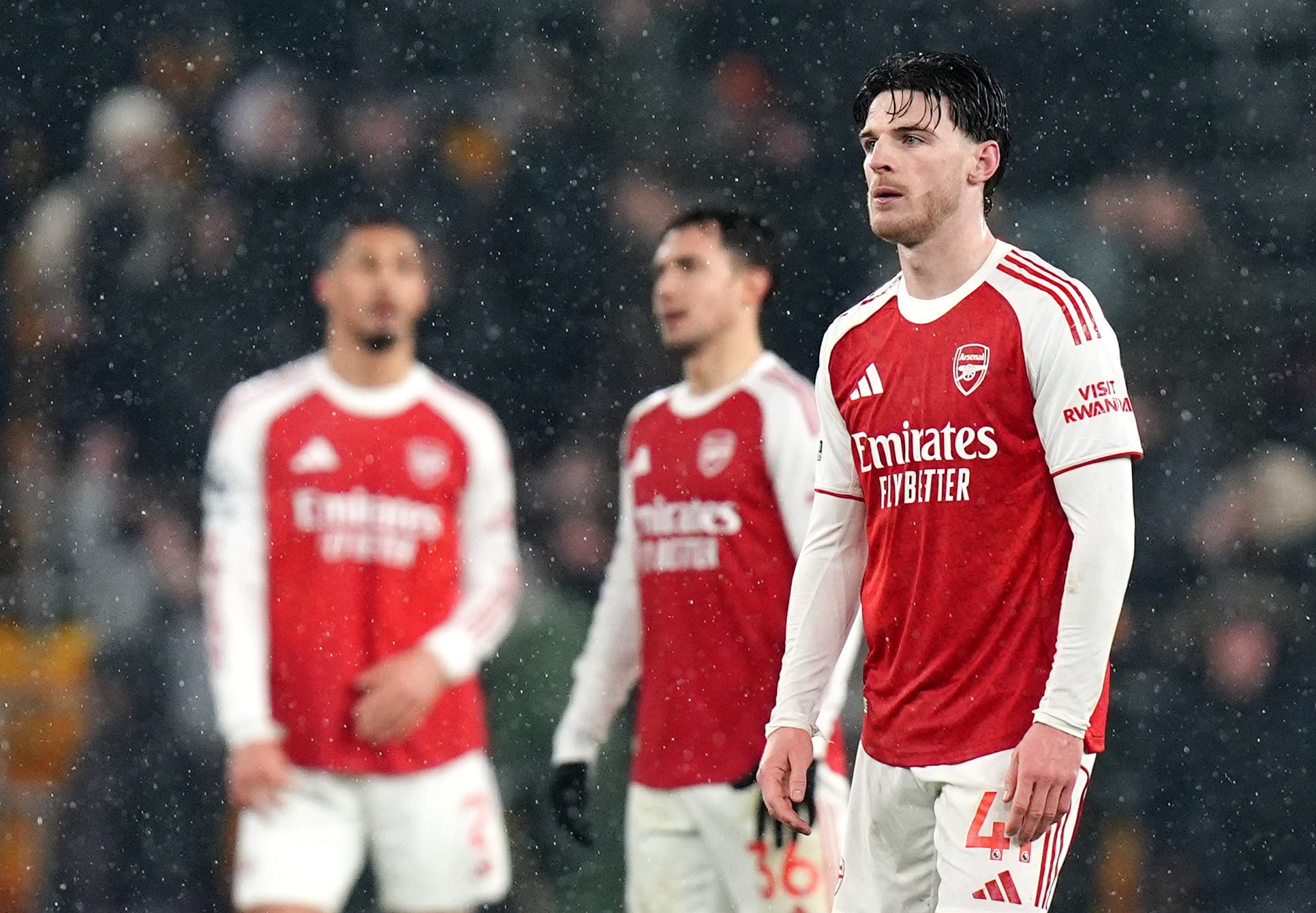
And it is here where this desire for control is starting to turn into a lock, one beginning to prevent Arsenal from pushing on.
Arteta has become so obsessed with increasing probabilities that it is starting to make a long-awaited title less likely.
The players have become so controlled that they’re becoming constrained. The last two matches – a 2-2 draw against Wolves and 1-1 against Brentford – were vintage examples.
Arsenal went ahead in both games and could have kept playing as they were playing against inferior sides, but they seized up and consequently lost control.
There’s no need for it to happen, but the fact that it does points to something psychological, where their biggest opposition genuinely is themselves.
Their approach is too clever for its own good, too over-coached, removing a freedom from players that becomes exhausting.
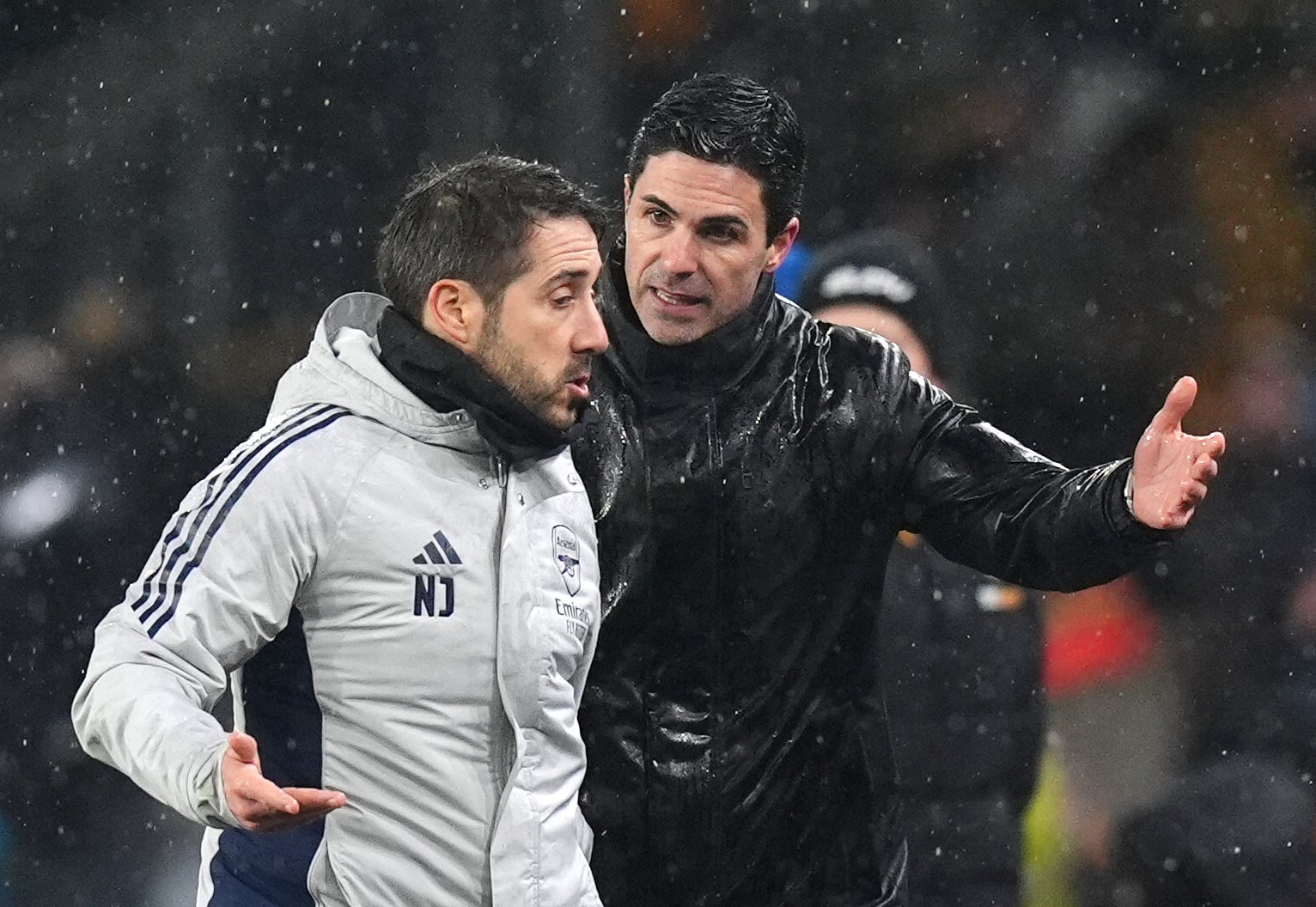
Hence, this angst about everything: the deep desire for the title interweaves with Arteta’s innate desire for control to amplify the negative effect of both.
It means the Basque has to get a hold of this to stop it from becoming a negative cycle.
Arteta has already told his players that nothing is actually lost yet, so they should enjoy the journey. However, he may have to go further back in his own journey with this team, to look back to 2022-23.
The approach is so different to four years ago and even two years ago.
We have a situation where Arsenal are certainly a better squad, with more qualities, but don’t seem to be able to maximise what they’ve got in the same way.
In 2022-23, after all, many opposition coaches genuinely used to marvel at how difficult they were to play against. Arsenal would pen a team in, with the whirl of movement around Martin Odegaard and Bukayo Saka, then unravel them. There was real life, but there wasn’t yet experience.
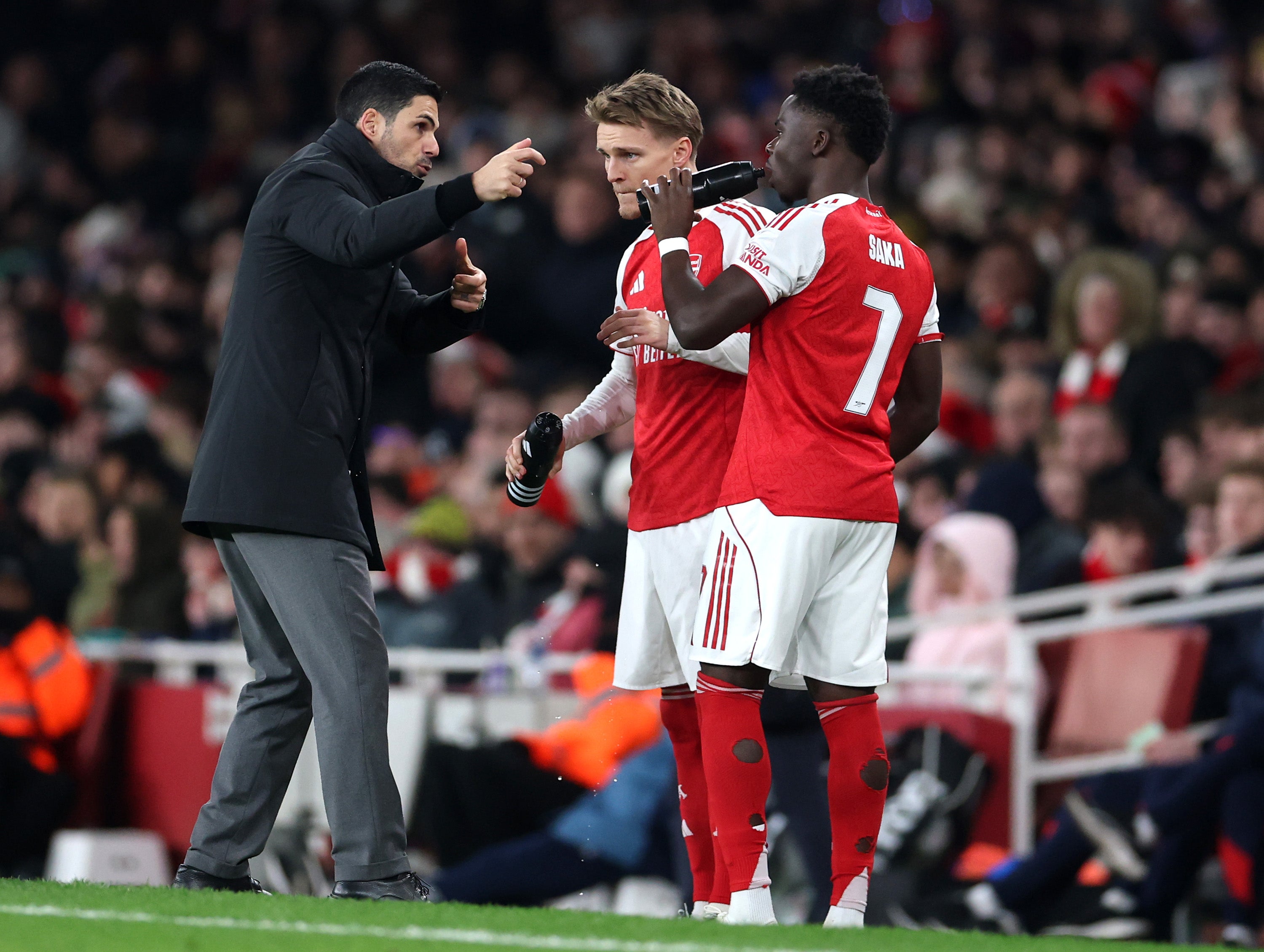
The team was ultimately too young for the title, not yet ready, for which there’s no shame. They were also up against a Manchester City who finally became European champions and treble winners. It was asking a lot for a team on their first title challenge to reach that level.
Arsenal did get there the next season, and the 16 victories out of the last 18 games of the 2023-24 campaign was probably the best spell of the Arteta era. They were there, having got to 89 points.
City, the most lavish project ever witnessed in football, just had more. They got two more points.
But that is also why last season might have proven to be another hinge moment, one that could yet have turned things in the wrong direction.
Guardiola endured an unprecedented crisis, partly related to his own power at City, and the opportunity was there for Arsenal. Just at that moment, though, they suffered a series of injury crises themselves. Questions were naturally asked about training and Arteta’s approach towards it. Again, that control.
The manager’s solution, however, was to greatly deepen the squad last summer.
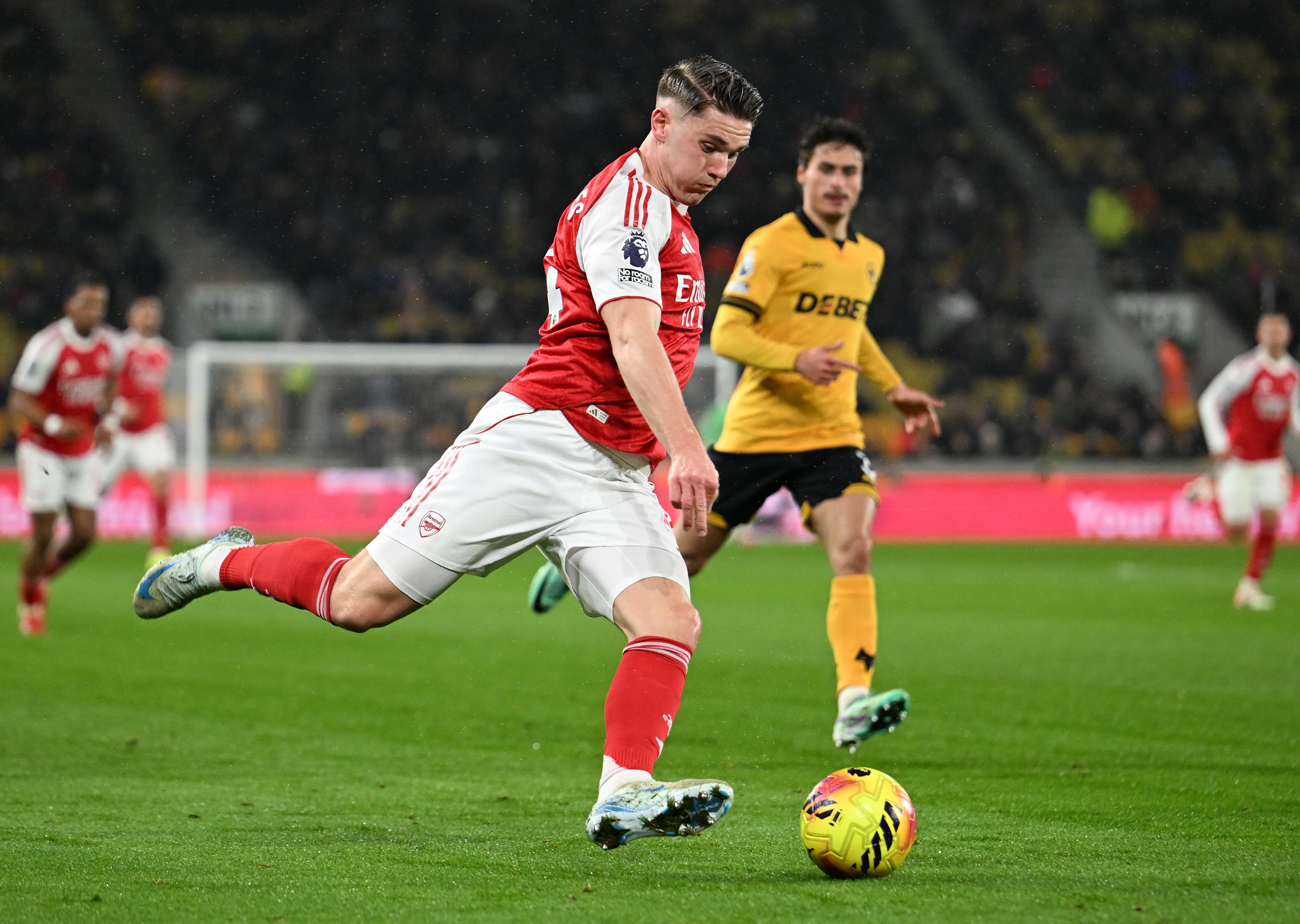
This might have been where that desire for control – that will to constantly increase probabilities – was applied to recruitment, too.
Arsenal had greater numbers, but they didn’t necessarily have greater quality. The squad was widened, but the bar wasn’t raised.
The attack, consequently, does not currently have that killer quality that most champions possess. They don’t even have the goals of Chelsea’s Diego Costa in 2014-15 or 2016-17.
A question persists over whether they should have taken the money paid for Gyokeres, Noni Madueke and maybe even Eberechi Eze and just gone bigger on guaranteed stardust; to really test a club’s willingness to keep a player in the way champions do.
The effects of this can be witnessed in the goal numbers.
The following is a rather crude statistic in the era of proper analytics, but it still really feels like it matters. Who scores for Arsenal when they really need a goal? When they need an opener, an equaliser or a match-winner, at those genuine clutch moments that require teams to go deeper in themselves?
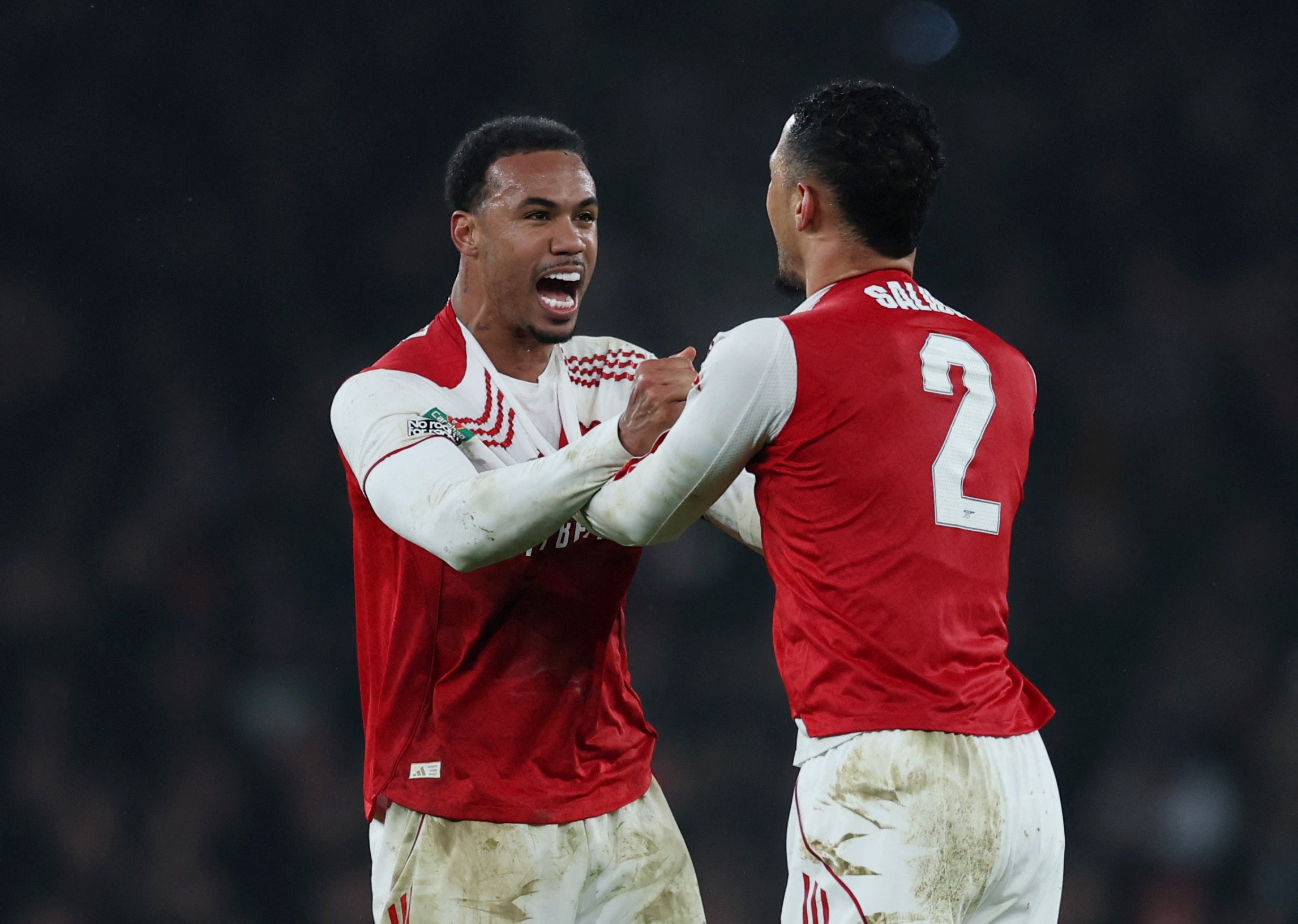
When it comes to openers, equalisers or match-winning goals, Martin Zubimendi, Mikel Merino and Gabriel Magalhaes are on top with a mere three each.
The numbers for the attack just aren’t good enough, which is precisely why it feels like Arsenal are now receding. They’re not pressing home.
Leandro Trossard and Saka are top of this statistic, with just two each. One of Saka’s was last night. Gyokeres also has two, but one of those was a penalty against Everton after Odegaard gave him the ball.
This is generally not champions material. They need more. You need players who offer those moments.
The example of Costa is raised because he offered eight of these goals in 2014-15 and 11 in 2016-17. Eric Cantona famously got four match-winners in consecutive games in 1995-96, contributing to 11. That same season, Ian Wright got seven for Arsenal. The formation of attacks may have changed in the modern game, but the need for individual inspiration has not.
There’s an obvious point to be made here that talents like Odegaard and Saka should now be producing more as they come into their primes, at 27 and 24 respectively, but then you also return to the question of play, and control.
Is the team geared to maximise their talents? Do they have the emphasis they did from 2022 to 2024? Or is it now too minimalist?
None of this is to say Arsenal won’t win the league. They’re still in a good position. They’re still probably the best squad in the country – maybe Europe – with the qualities to press this home.
It’s just that, right now, in a classic contradiction, it’s as if they are reducing their own strong chances.
Arteta needs to get a hold of it, but that may involve him being able to let go.
Join our commenting forum
Join thought-provoking conversations, follow other Independent readers and see their replies
Comments
Bookmark popover
Removed from bookmarks