Secret tech, espionage and marginal gains: Why Team GB are world-beaters in skeleton
In winter sports where a fraction of a second can mean the difference between winning and losing, staying a technological step ahead of the competition is vital
In sports which are decided by the tiniest of margins, fractions of a second separating first from 10th, how do you eke out an advantage?
‘Marginal gains’ may be the byword in cycling but the concept applies equally to the high-octane world of winter sports, where technological innovation – from aerodynamic kits to state-of-the-art sleds – rules the day.
So much so that the battle to get ahead in sports like skeleton and bobsleigh has become something of a Cold War, according to Dr Kate Baker, UK Sport’s director of performance.
Baker told The Independent and other outlets on the eve of the Games: “It isn’t quite to the extent of hiding in bushes to spy on other teams, but espionage between nations is very real. It's big business for some people, and we know how powerful sporting success is for a nation.
“We are an extraordinary nation in the way that we have consistently punched above our weight. Everyone wants to know what we're doing. The challenge for us as Great Britain is to evolve again and do something different and surprise everybody.”


And so far that behind-the-scenes work has resulted in Team GB - a squad which does not even have its own sliding track - becoming the most successful nation in skeleton history, with 11 medals, five of them gold.
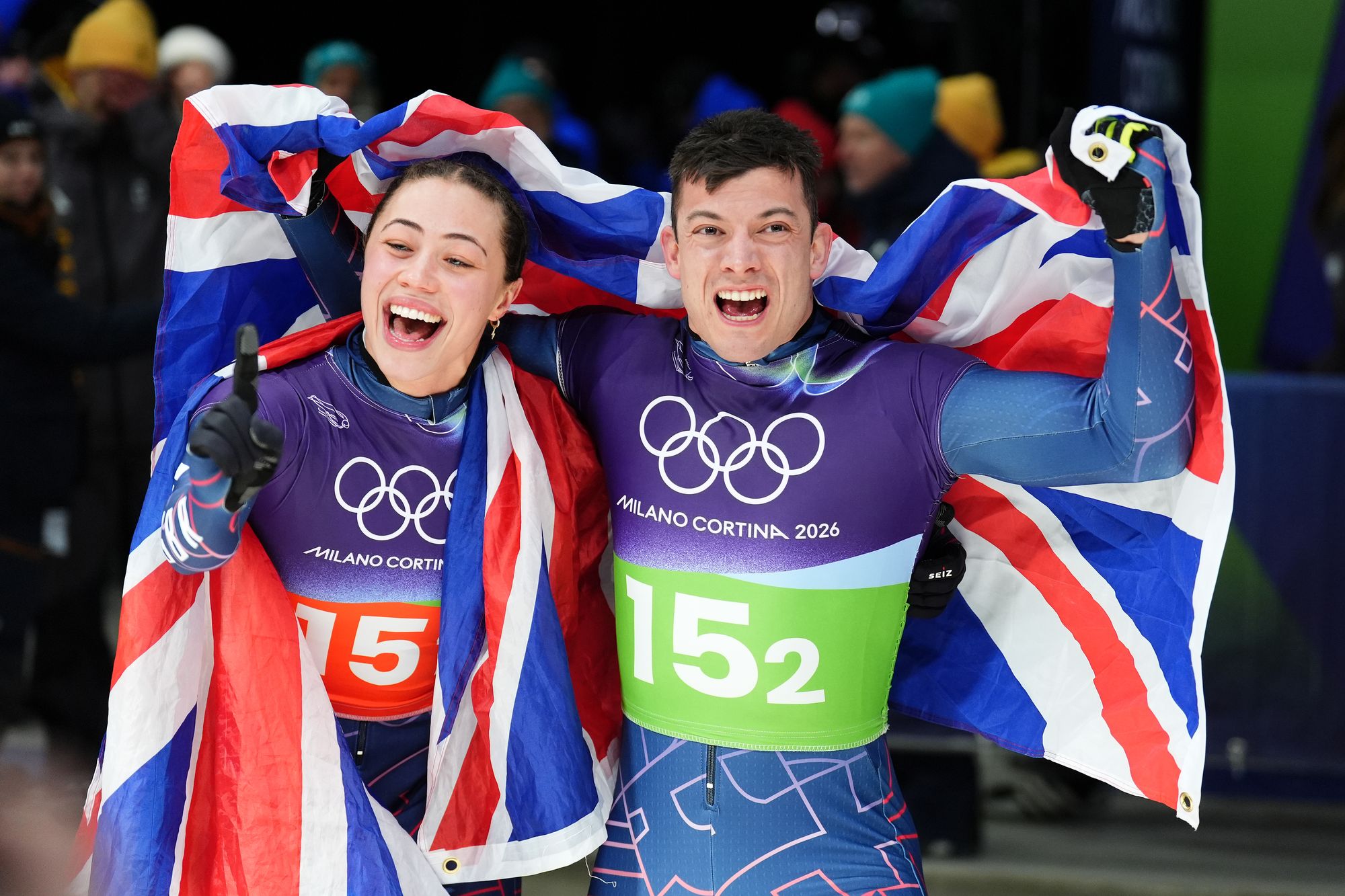
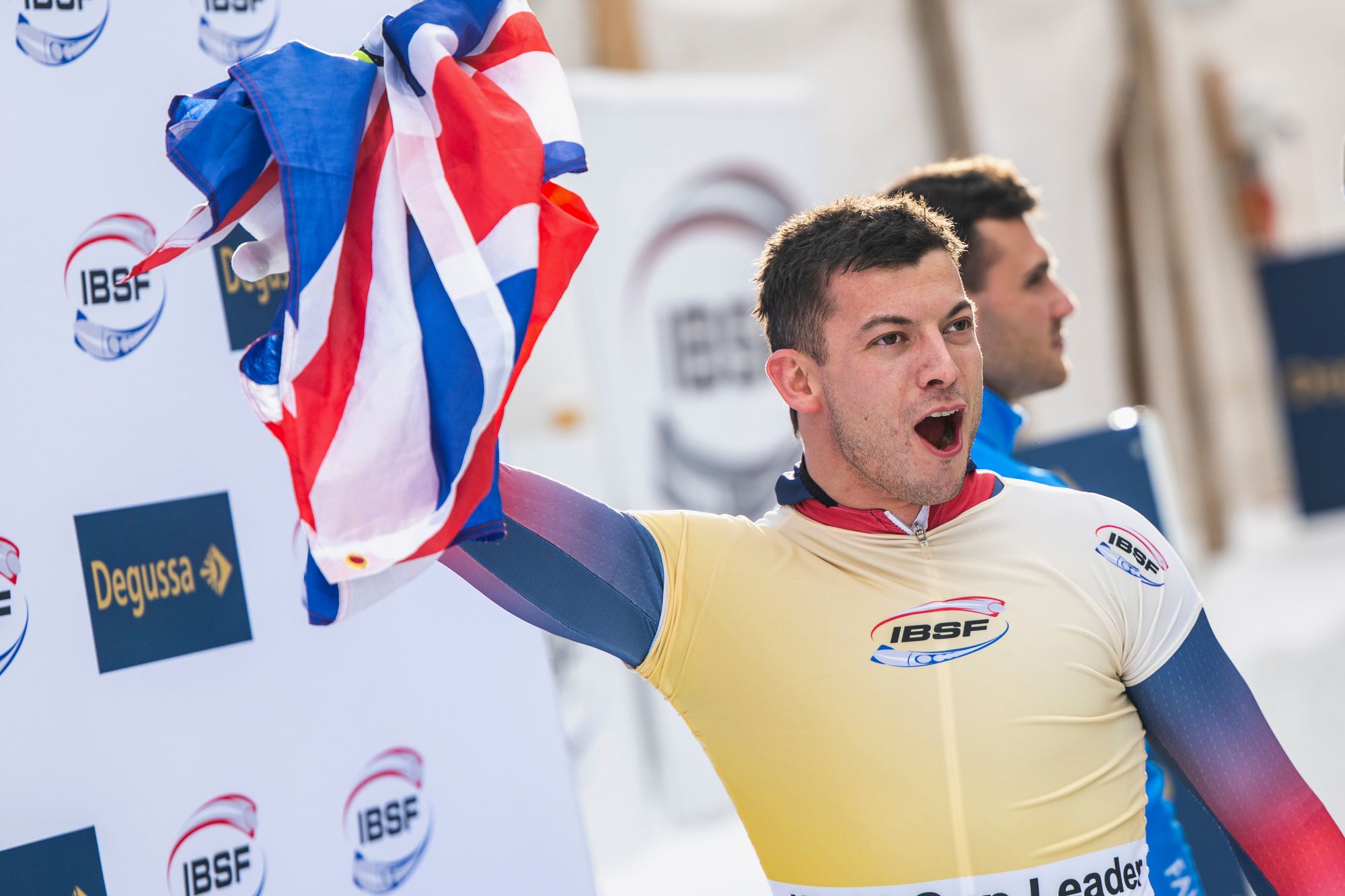
29-year-old Matt Weston has made history twice at these Games, becoming Britain’s first men’s skeleton Olympic champion on Friday before becoming the first Briton to win two medals at a Winter Olympics, with mixed team gold on Sunday. His partner, Tabby Stoecker, is an Olympic champion on her first appearance and finished fifth in the women’s event, with GB’s three female athletes all in the top 10.
Britain’s athletes only spend around two hours every year actually training on a sliding track, with the rest of the work done on the push track at the University of Bath, improving speed for the all-important start; and in the gym, building power and strength.
Amy Williams, the Vancouver 2010 gold medallist and a Winter Olympics expert on TNT Sports, said: “Yes, we do not have that obvious thing in front of us, an ice track, so we have always gone out and tried to get the world's best pushers, so we will get the best sprinters.
“We do so much hard training in the summer months for that pure speed, power, explosiveness off the block, and then with really good equipment, with good coaching, trying to get as much ice time as you can. The combination of already being powerful and fast at the top gives you that good edge.”

GB has also had to innovate within the last Olympic cycle, after a disappointing outing in Beijing, when the team failed to bring home a medal for the first time in the sport’s Olympic history. Weston’s 15th place was the highest finish of any British athlete in 2022.
UK Sport invested £25.5m across winter sports for the 2022-26 cycle, with skeleton’s funding initially slashed to £4.7m before it rose to £5.8m - a fifth of the total budget.
Even with the funding cut GB revolutionised its skeleton programme, notably bringing in radically superior equipment and investing in the expertise of Latvia’s six-time world champion Martins Dukurs as performance coach and his own former coach, Matthias Guggenberger, as head coach.
The GB squad also has its own wind tunnel, at a secret location somewhere in Manchester, aiming to replicate the well-documented rewards wind testing has brought for British Cycling.
Baker said: “If you spend any time hanging around any of our sports, you will see that they are constantly looking at what everybody else is doing. I wouldn't go so far as to say that it's an arms race.
“It is definitely an expertise race though, and our ability to spot things and opportunities and get on quickly is a super strength of Great Britain. We have a safe to fail approach: have a go, if it doesn't work, rapidly iterate. And that's been a real step on for us, particularly in the winter sports space this cycle.”
She cited the new mixed team event, which made its debut in Milano-Cortina, as an area where GB quickly spotted potential to get ahead. Unlike in a regular skeleton race, which allows athletes a set period of time to sprint to the first timing wand, the mixed event features a Formula One-style countdown to a green light. “It's a fundamentally different skill set that the athletes will require. We spotted it. We got on it early, we invested, and we've built some systems that are enabling them to capitalise on that.”
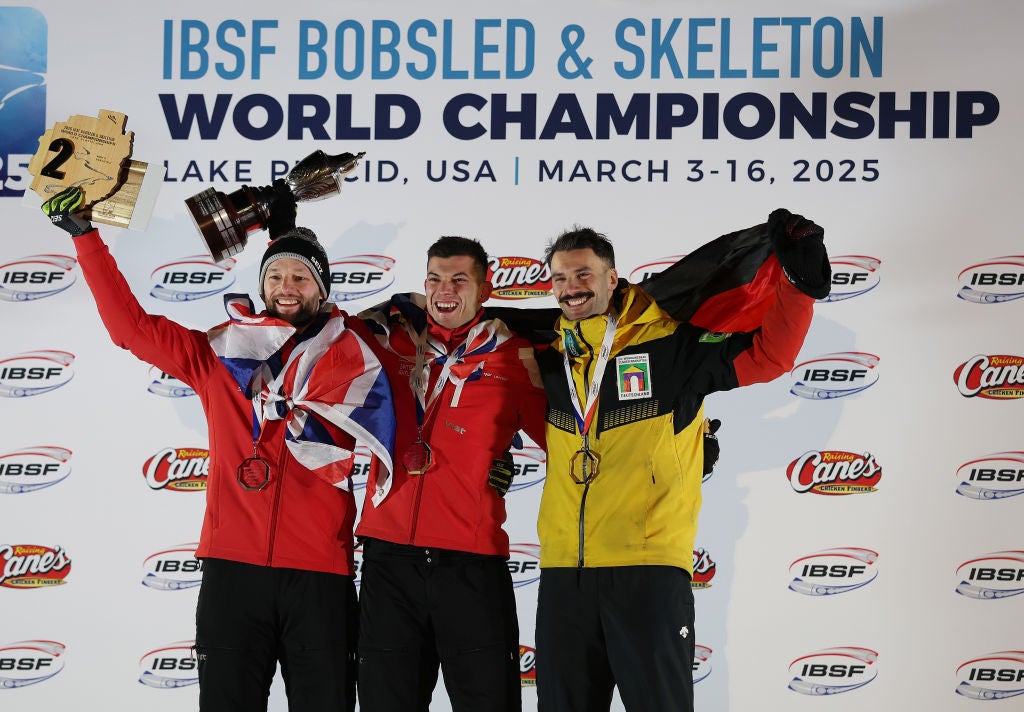
The camaraderie within the close-knit team is also a major strength. Between them Weston and teammate Marcus Wyatt won all seven rounds of the World Cup circuit, finishing first and third in the overall standings. This Winter Olympics marked the first time Britain had qualified three female athletes, another marker of the squad’s strength and depth.
Williams said: “I think once you've seen other people win medals, it proves it's not impossible. Winning my gold medal in Vancouver proved to the next generation, Lizzy Yarnold, it's not impossible, you can do it too. And she goes on and brings two more and then it just goes out into the wider team. It's a really positive place to be at the moment.”
Now Britain has the edge in skeleton over nearly all other teams, and that advantage looks set to only grow over the next season. Imagine what Weston could have done in the controversial, all-singing-all-dancing helmet which was banned on the eve of competition for failing to comply with current regulations.
Throughout our conversation Baker was wary of saying anything too revealing: “You will notice that we've not been talking openly about what we've been doing for the last 18 months. We are working incredibly hard to create another step change for our nation – and we should talk about that another time!”
Skullduggery and espionage in bobsleigh and skeleton has been in the headlines several times recently, with an American skater accusing a Canadian coach of deliberately pulling athletes from a qualifying race to prevent any rivals gaining a place at the Olympics. Then there’s snooping at competitions themselves.
Baker said: “I'm not aware of anyone being caught in the bushes around the push track in Bath. But there's a reality that when those athletes are competing on the World Cup circuit, if you look at that starting area, all of the sleds have to be lined up against each other. Everybody can see everything. There is real rigorous inspection.
“We've been caught in previous Games where someone, another nation usually, has said, ‘hang on a minute, they're doing something interesting over there, we want that pulled into the marshal's office’, and then ensues some kind of investigation. [In the 2018 Games in Pyeongchang other teams objected to GB’s aerodynamic skinsuits, but they were granted IBSF approval.] That's much harder for anything like that to happen now, they can all see the kit that everybody else is using.
“There's stuff you can't see with the naked eye and so everyone will be making guesses about what's going on. But to my knowledge, there's none of that kind of All Blacks nonsense of videos in the changing rooms and drones over training!”
Maybe not yet - but after GB’s peerless performances in Cortina, that may be the next step.
Join our commenting forum
Join thought-provoking conversations, follow other Independent readers and see their replies
Comments
Bookmark popover
Removed from bookmarks