The Independent's journalism is supported by our readers. When you purchase through links on our site, we may earn commission.
British winter sport funding set for radical overhaul after Milano-Cortina Olympics
Team GB have underperformed compared to nations like Australia and the Netherlands, despite greater financial investment, which has led to a rethink
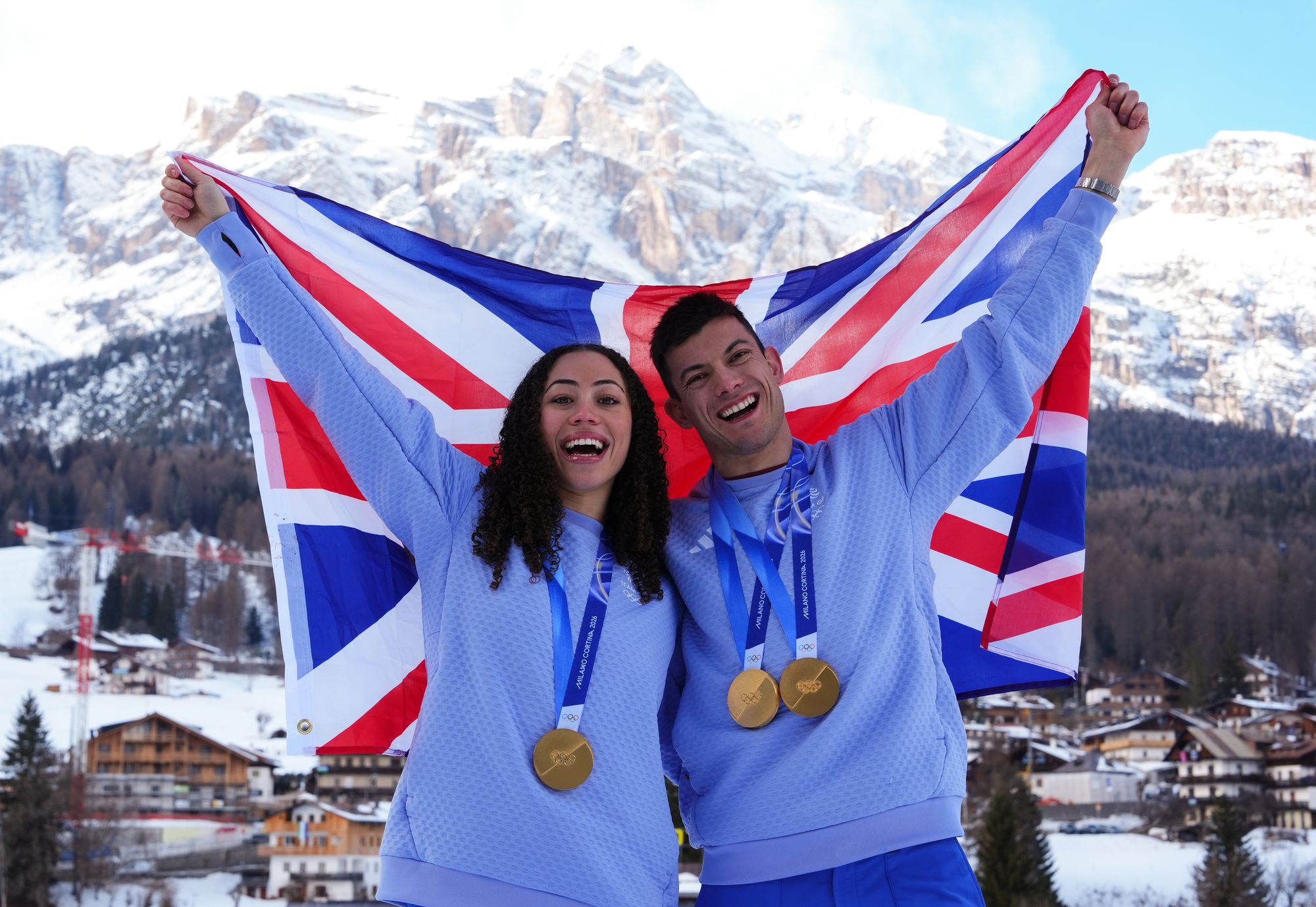
Great Britain’s winter sports governing bodies could be asked to work more closely together in a bid to make limited funding stretch further.
More than £25m was invested across seven different national associations, covering 11 sports, to prepare Team GB for these Winter Olympics in Milano-Cortina.
A medal range of four to eight was set by UK Sport, with Team GB’s three golds leaving them just short of the lower end target, with four days of competition and three live medal chances remaining.
Colour matters, and officials will rightly point out that Britain had never won more than a single gold medal in their previous 24 appearances at the Games.
In addition, five fourth-placed finishes are two more than their previous Games ‘record’ and Team GB athletes have had 18 top-10 placings from 49 entries so far, a better ratio than winter sport powerhouses Canada and Switzerland.
But there is a growing belief from several long-standing senior members of Britain’s high-performance sector that winter sports must collaborate more closely.
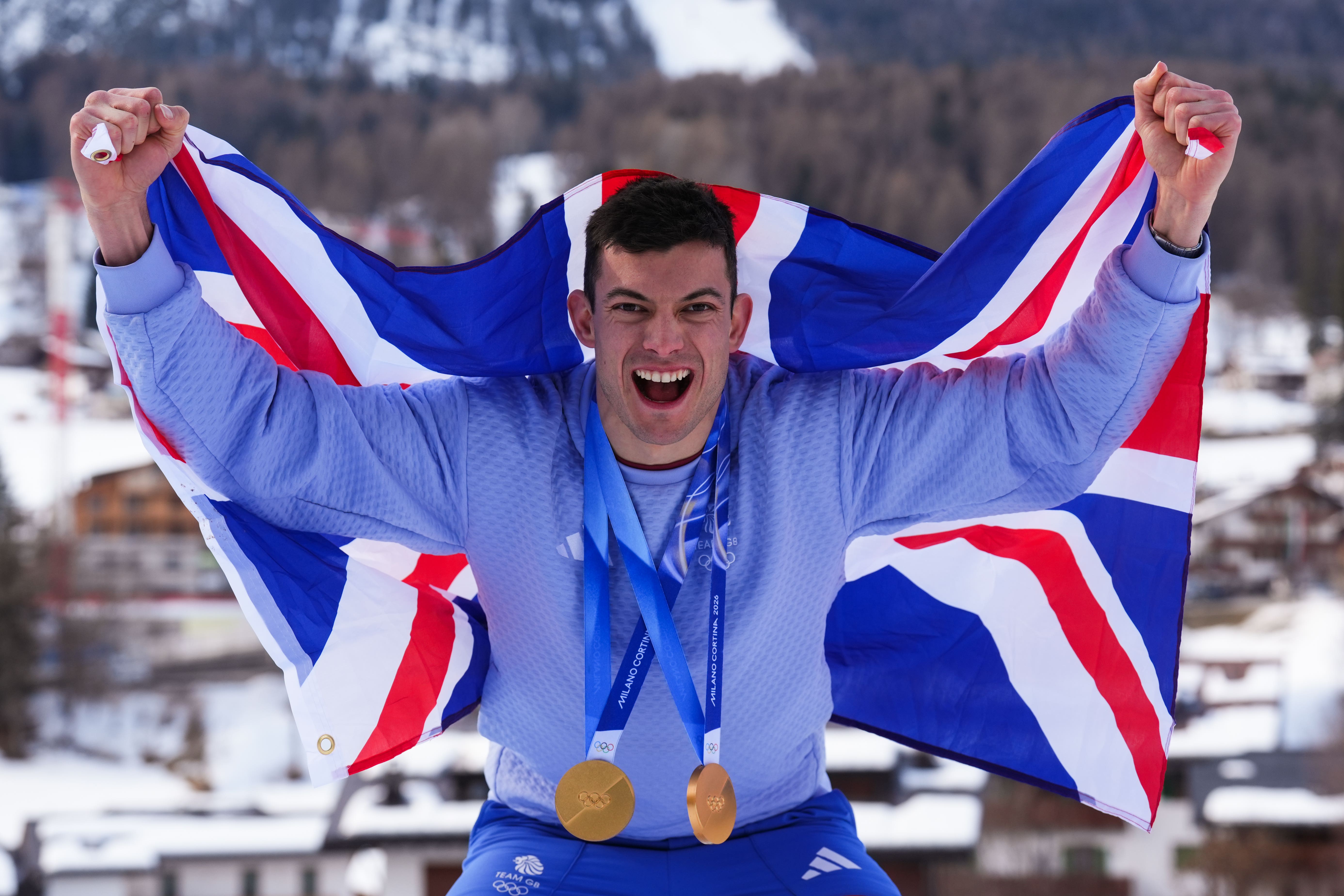
And that includes merging behind-the-scenes support services so stretched resources can be focused more directly on performance. However, that view has received a mixed reaction from the sports themselves.
The reality is that there is limited expectation of a significant increase in funding for the next Games in the French Alps.
And with costs increasing and the next Olympics expected to be even more logistically challenging than the past fortnight, there may be no option but to explore a more radical approach to how sports administer themselves.
By comparison, Australia invested £18m in their winter sports programme and sit just above Team GB in the medal table with six medals, including three golds.
That budget is managed centrally by the Olympic Winter Institute of Australia, set up after the 1998 Nagano Games to enable the development of elite performances in all winter sports by Australian athletes.
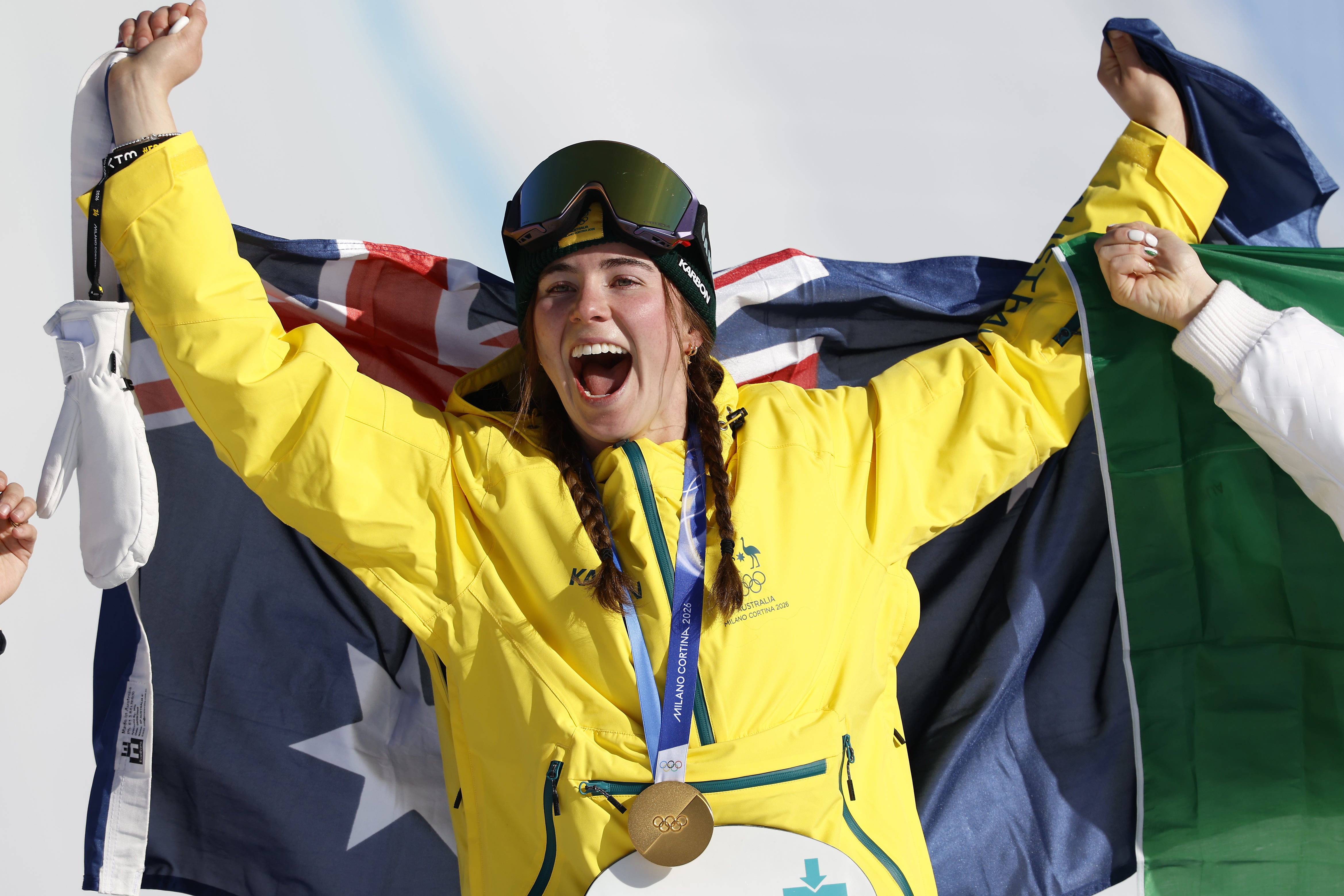
Australia’s team is the same size as Team GB’s, with 53 athletes, including five teenagers and 23 athletes making their debut.
As Australian comedian Jimmy Rees once joked, the country was home to ’world-class summer Olympians and well-meaning winter ones’, Steven Bradbury’s iconic short track gold in 2002 perhaps unfairly reinforcing that punchline.
There are ski resorts in New South Wales and Victoria and the Australian Alps gets more snow than Aviemore but much of the investment is focussed on an Aussie home-from-home base in Gavirate, about 70 miles from Milan.
With Vegemite and a blend of coffee from a Melbourne roaster in its kitchen, the facility has been credited by every medallist here with playing a key role in success.
"This was a strategic decision to our unique problem as a sporting nation – you can’t keep flying 24 hours if you are trying to compete at the highest level," said centre manager Fiona de Jong, a former chief executive of the Australian Olympic Committee.
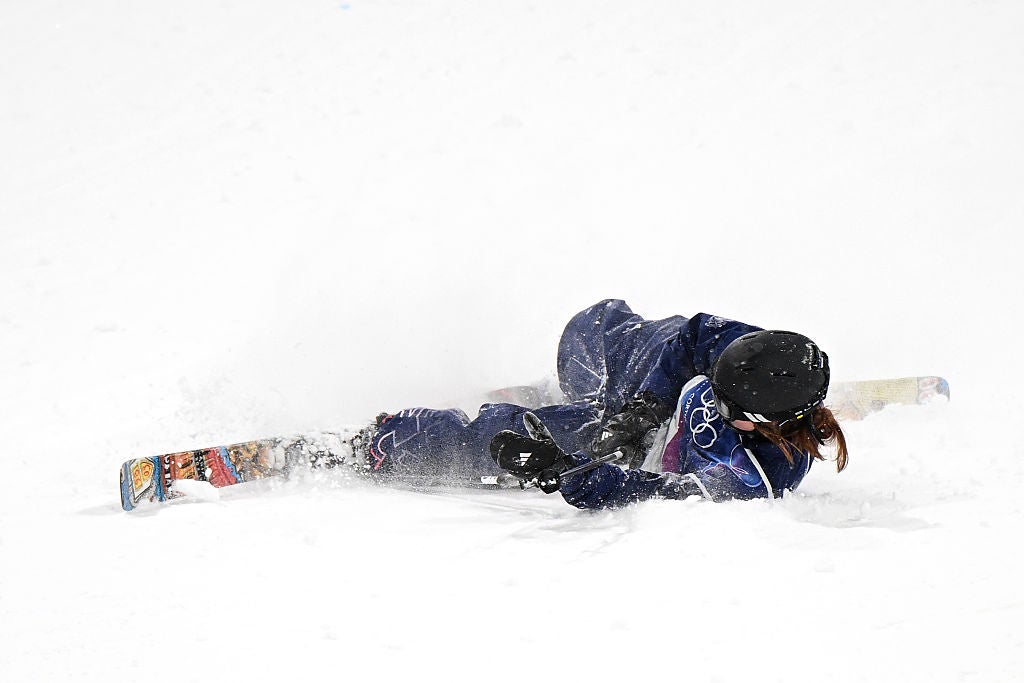
An even more extreme model is that adopted by the Netherlands, who brought just 38 athletes to the Games but focus their funding almost exclusively on speed skating and short track, which has so far delivered 13 medals here, including six golds, taking their all-time tally to 51, compared to Great Britain’s 15.
It is 16 years since Sir Steve Redgrave ambitiously sought funding for a 400m speed skating oval in the UK, claiming that investment could pay dividends with multiple Olympic medals within just a decade.
He believed athletes transitioning from cycling and even rowing, two sports that also require high cardiovascular capacity, could make Britain a force to rival the Netherlands.
Canadian cyclist Clara Hughes won Olympic medals at both the summer and winter Games, suggesting the sports are interchangeable at the top level.
However, Britain brought just two skaters to the Games. Niall Treacy, who made the 1000m short track final, and long track skater Ellia Smeding, whose 11th place in the 1000m was the best result ever by a GB women’s skater.

The issue with UK Sport funding is that it tends to live for the moment rather than look to the future, which is why speed skating receives just a sliver of the £1.9m awarded to British Ice Skating to spread across all its disciplines.
Skeleton, by contrast, received £5.7m for their two gold medals. That investment is fractionally less than judo, and they returned from the summer Games in Paris with nothing to declare from their five athletes.
Skating would obviously be more accessible, and there are 23 different medal opportunities across short track and long track, rather than the three at skeleton.
However, asking to fund a sport Britain could be good at, ahead of one it already excels in, is not how the system works, though perhaps it should.
TNT Sports on discovery+ will be the go-to destination in the UK to watch everything of Milano Cortina 2026 live all in one place, with over 850 hours of action from every sport, venue, and medal event.’
Sportsbeat
Join our commenting forum
Join thought-provoking conversations, follow other Independent readers and see their replies
Comments
Bookmark popover
Removed from bookmarks