Olympic skiers Vonn and Shiffrin voice concerns over global warming amid glaciers crisis
Team USA skiers Lindsey Vonn and Mikaela Shiffrin are concerned by the impact that global warming is having on glaciers
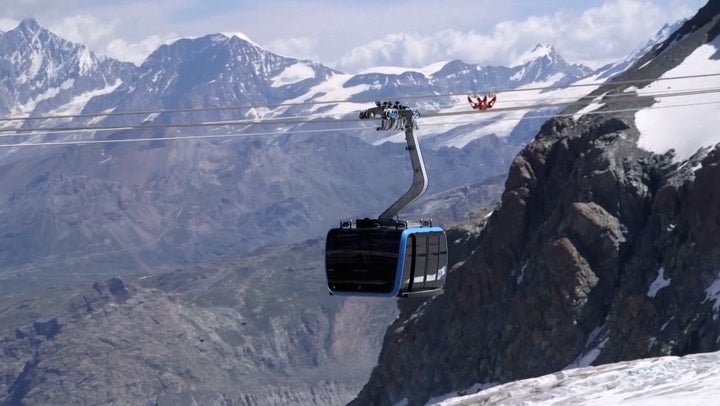
Olympic skiers competing in Cortina have voiced profound concern over the accelerating melt of the world’s glaciers, a stark reality made visible in the very region hosting the Games.
Glaciers once prominent from the Italian town have dramatically receded, many now reduced to mere ice patches high in the Dolomites, forcing anyone wishing to see a major glacier to travel extensively to the rapidly diminishing Marmolada.
The world’s elite skiers, who rely on glaciers for high-quality snow training, are witnessing first-hand the threat to their sport.
Lindsey Vonn, who began skiing on Austrian glaciers at age nine, highlighted the dramatic change.
"Most of the glaciers that I used to ski on are pretty much gone," the 41-year-old stated on 3 February, underscoring the tangible impact.
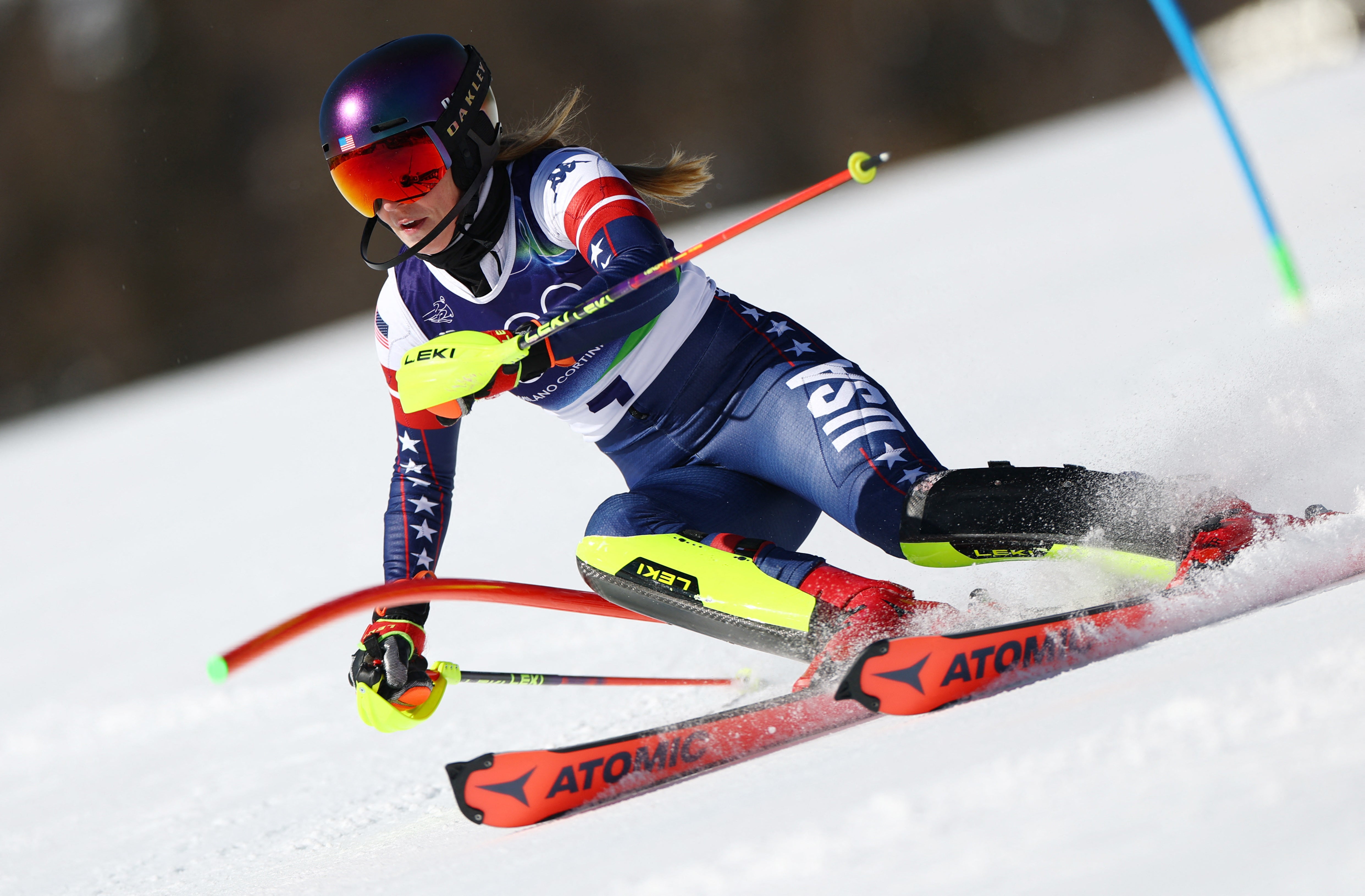
Mikaela Shiffrin echoed this sentiment, explaining that snow sports athletes "get a real front-row view" of the monumental changes occurring on the highest, coldest peaks.
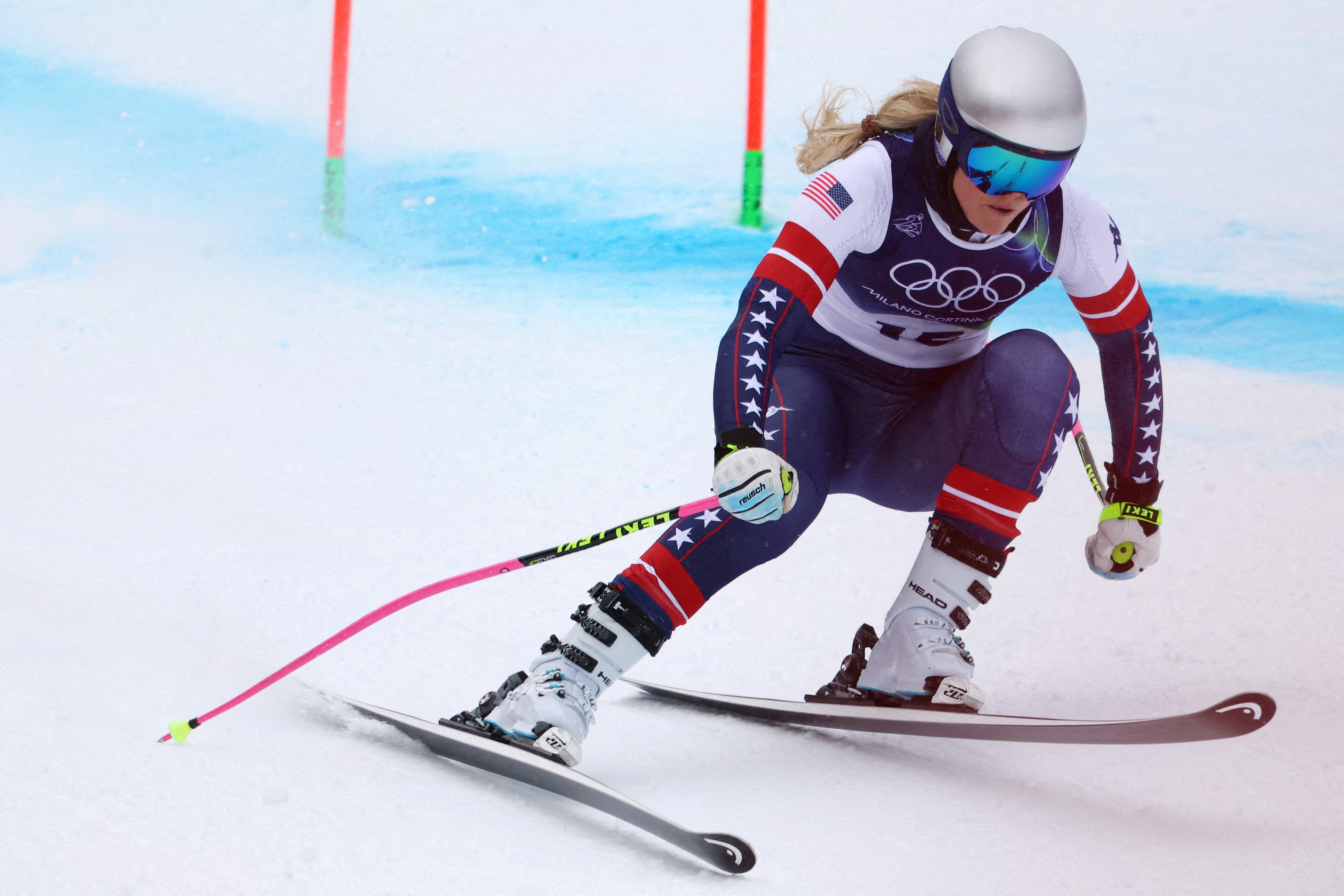
"It is something that’s very close to our heart, because it is the heart and soul of what we do," Shiffrin told the Associated Press.
She expressed hope that "with strong voices and sort of broader policy changes within companies and governments, there is a hope for a future of our sport. But I think right now, it’s a little bit of a... it’s a question."
Italian glaciologist Antonella Senese confirmed the alarming trend, revealing that Italy has lost over 200 square kilometres of glacier area since the late 1950s.
"We are observing a continuous and uninterrupted decrease in glacier area and volume. In the last one to two decades, this reduction has clearly accelerated," said Senese, an associate professor at the University of Milan.
Glaciers on Cortina’s surrounding Cristallo and Sorapiss mountains have shrunk by approximately one-third since 1959-1962.
Federica Brignone, an Italian skier who recently secured a second gold medal, noted that skiing is "totally different" from her youth.
Living in the Valle d’Aosta, she observes glaciers retreating to higher elevations, prompting concern not just for her sport, but for the planet’s future.
"There we have a lot of glaciers, but they are going up and up, every year, more and more," she explained.
To raise awareness, the University of Innsbruck launched the Goodbye Glaciers Project, illustrating how different warming levels affect ice volume.
The Cristallo and Sorapiss glaciers no longer meet the project’s minimum volume threshold. The loss of glaciers poses far-reaching consequences, impacting water sources, increasing mountain hazards, and contributing to sea level rise.
The Marmolada glacier, 50 kilometres from Cortina and the largest in the Dolomites, tragically saw an apartment building-sized chunk detach in July 2022, causing an avalanche that killed 11 hikers.
The University of Padua reported in 2023 that the glacier had halved in size over 25 years. Projections from the Goodbye Glaciers Project suggest it could be mostly gone by 2034 if global warming reaches 2.7°C.
However, limiting warming to the international goal of 1.5°C could extend its life by six years and save around 100 glaciers in the Alps, according to Patrick Schmitt, a doctoral student at the University of Innsbruck.
"The choices we make in this decade will decide how much ice remains in the Dolomites, across the Alps, and around the world," Schmitt emphasised.
Globally, over 7 trillion tons of ice have been lost since 2000, with significant implications for winter sports, as the number of viable Winter Olympic host cities is projected to shrink substantially.
Other Olympic athletes share these concerns. Israel’s Noa Szollos noted that the state of local glaciers reflects a global issue, hoping "we can do something about it."
Finland’s Silja Koskinen can no longer train on some glaciers due to crevices and flowing water. Team USA skier AJ Hurt observed, "Every year, I feel like we come and there’s a little less snow… It is really sad and it’s hard to ignore in this sport."

Norwegian skier Nikolai Schirmer is actively campaigning to stop fossil fuel companies from sponsoring winter sports, recognising their role as the largest contributor to climate change.
River Radamus, another Team USA skier, believes athletes, as stewards of outdoor winter sports, must defend the environment.
"It’s always present in our mind that we’re on a dangerous trend unless we do something right," Radamus concluded.
Bookmark popover
Removed from bookmarks