Apple buys secretive AI startup that allows non-verbal communication with chatbots
Q.ai is Apple’s biggest acquisition since the Cupertino company bought Beats in 2014

Apple has acquired an artificial intelligence startup that creates technology to silently communicate with AI chatbots through facial expressions.
The $2billion deal to buy Tel Aviv-based Q.ai is the second biggest acquisition in Apple’s history, with only the $3 billion takeover of Beats in 2014 being larger.
It comes as the Cupertino company is preparing to make a major push towards catching up with tech rivals like Google, Meta and OpenAI through improved AI offerings.
These plans include a revamped Siri assistant that is set to launch next month, as well as the integration of Google’s market-leading Gemini AI into Apple Foundation Models.
Apple is also reportedly working on a new AI wearable that will include multiple cameras, microphones and a speaker – but no screen.
The AI pin is rumoured to be the same size as an AirTag device and is designed to be worn on a user’s body.
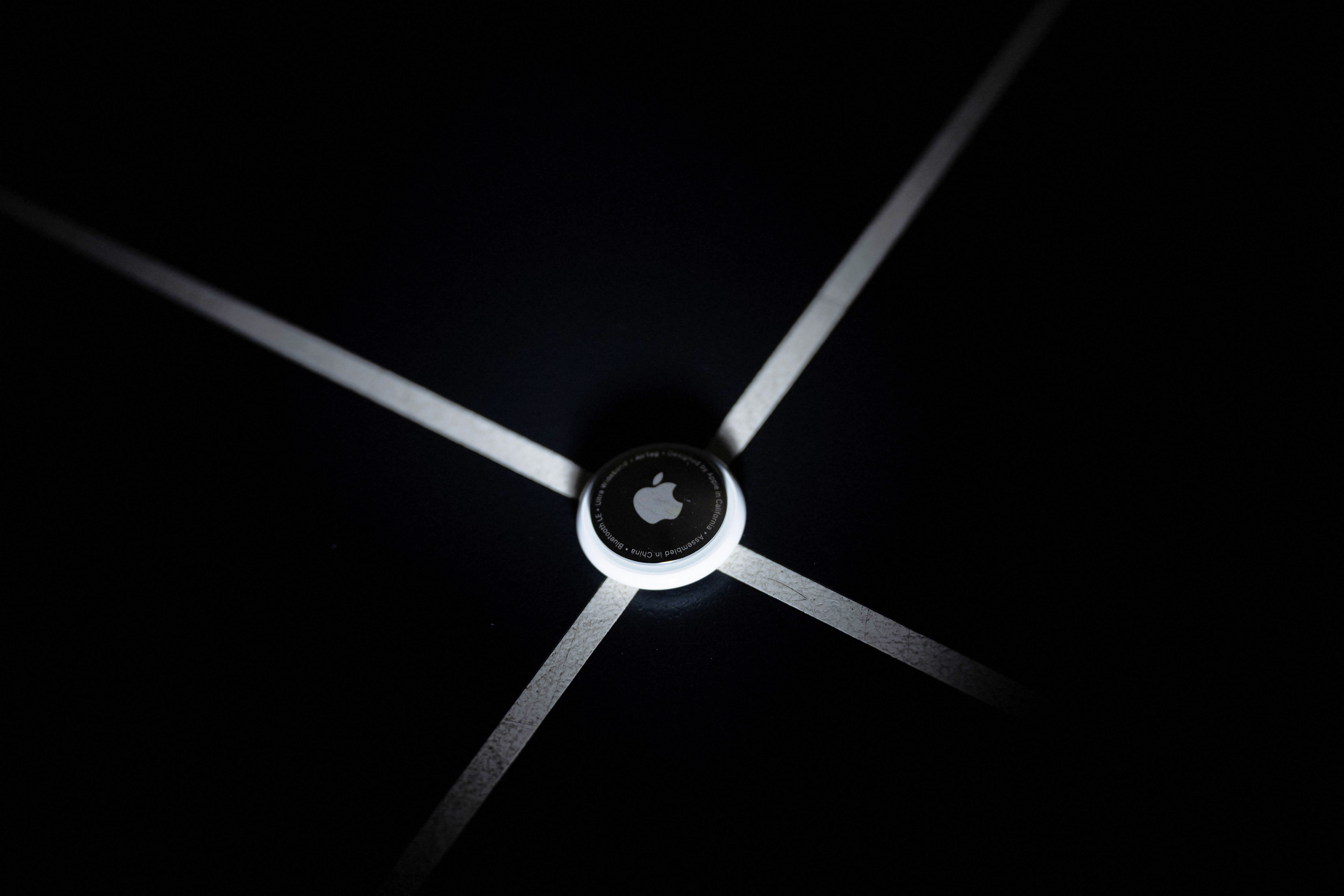
There is little public information about four-year-old Q.ai, with patents suggesting that its technology allows people to communicate with AI through “facial skin micro movements”.
When the company was founded in 2022, Chief Technology Officer Yonatan Wexler hinted in a social media post about what the technology involved. “I can’t tell you anything yet about our product,” he wrote, “but I bet it will leave you speechless.”
The only text on Q.ai’s website states: “In a world full of noise we craft a new kind of quiet. Magic. Realised.”
The startup’s silent communication technology can be embedded in headphones or smart glasses, according to the patent filings, though it could potentially be used in other types of wearables.
ChatGPT creator OpenAI is also working on an AI-powered wearable, having acquired a startup led by former iPhone designer Jony Ive.
Few details about the product have been shared, though CEO Sam Altman claims it will be “the coolest piece of technology that the world will have ever seen”.
It is expected to launch at some point in 2026, while Apple’s AI pin is not likely to arrive before 2027.
Join our commenting forum
Join thought-provoking conversations, follow other Independent readers and see their replies
Comments
Bookmark popover
Removed from bookmarks