The Independent's journalism is supported by our readers. When you purchase through links on our site, we may earn commission.
Over 40 million are using ChatGPT for health advice, report finds
Three in five adults said they've used AI for healthcare-related purposes at least once in the past three months, according to a survey by the chatbot’s creator OpenAI
More than 40 million people across the world now use ChatGPT for health advice at least once every day, according to the chatbot's maker OpenAI.
In a report released Monday [PDF link], the San-Francisco-based tech giant said more than 5 percent of messages sent to ChatGPT globally are about healthcare.
In the U.S., three in five adults said they've used AI tools for healthcare purposes at some point in the past three months, with seven in 10 of those conversations happening outside normal clinic hours.
Fifty-five percent of those people said they used it to "check or explore symptoms", while 48 percent said it helped them "understand medical terms or instructions" and 44 percent wanted to "learn about treatment options".
The survey, which was first reported by Axios, underscores the rapid proliferation of AI chatbots such as ChatGPT into America's expensive and often dysfunctional healthcare system, despite scant regulation or oversight.
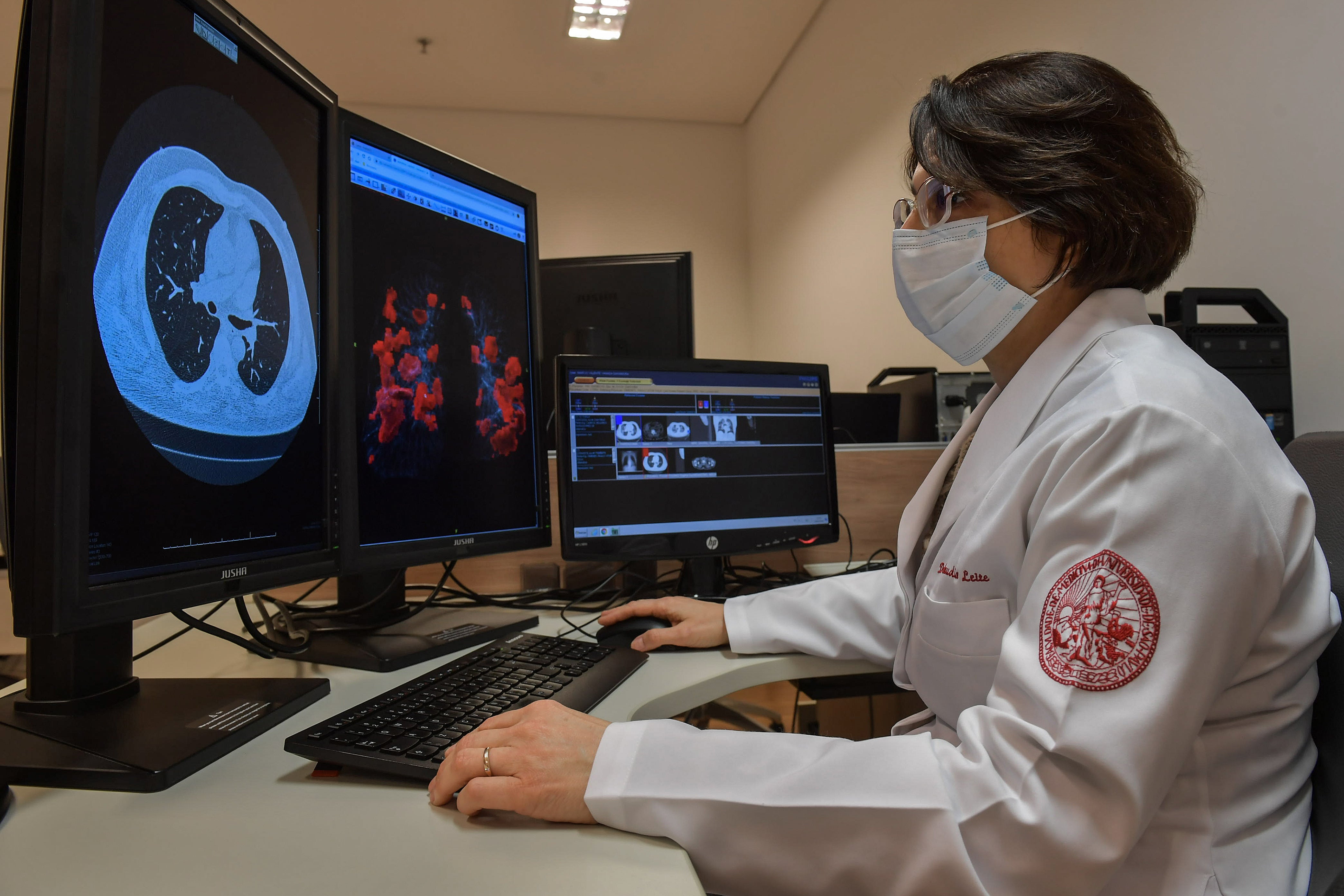
States such as California and Texas have moved to limit the use of AI in healthcare, but Congress has been slow to respond, while the Trump administration is actively trying to negate state AI laws.
OpenAI is facing several lawsuits claiming that ChatGPT drove people to suicide or worsened their delusions — a phenomenon dubbed "AI psychosis" by some experts.
But in its report on Monday, OpenAI framed ChatGPT as a crucial resource for Americans struggling with the country's byzantine medical system and overstretched rural hospital networks.
"For both patients and providers in the U.S., ChatGPT has become an important ally, helping people navigate the healthcare system, enabling them to self-advocate, and supporting both patients and providers for better health outcomes," the company said.
"Americans are using AI and ChatGPT to equip themselves with information to gain more agency over their health, particularly when dealing with a system that’s difficult to navigate and makes decisions without a lot of context."

It cited previous research by the American Medical Association [PDF] showing that 66 percent of U.S. physicians had used some kind of AI in 2024, up from 38 percent in 2023, for purposes from documenting visit notes through drafting care plans to summarizing medical research.
That survey was not limited to just chatbots, meaning it likely included a wide range of more specialized or limited administrative and professional AI tools.
A similar survey by the Dutch health industry consultancy Wolters Kluwer [PDF] found that more than two in five U.S. healthcare workers used generative AI — that is, AI that creates content such as text or video, like ChatGPT — at least once a week, including 46 percent of nurses and 41 percent of pharmacists.
OpenAI said ChatGPT could be of particular aid in rural "hospital deserts", with roughly 580,000 healthcare-related messages being sent to the chatbot per week from such areas across the U.S.
"AI will not, on its own, reopen a shuttered hospital, restore a discontinued obstetrics, or replace other critical but vanishing services," the company said.
"But it can make a near-term contribution by helping people in underserved areas interpret information, prepare for care, and navigate gaps in access, while helping rare clinicians reclaim time and reduce burnout."
The company added that it would soon release a slate of healthcare policy recommendations, including regulatory reforms to make it easier for AI companies to get into the healthcare market.
Join our commenting forum
Join thought-provoking conversations, follow other Independent readers and see their replies
Comments
Bookmark popover
Removed from bookmarks