Why logging could be the most healthy way to use the internet
Tracking the films you watch, the books you read and the miles you run might be seen as unnecessary online bragging, but it is an alternative to the broad, bewildering world of modern social media – and, refreshingly, is not social at all, writes Andrew Griffin

It started in October, when I was so taken with the film Bugonia that I needed to tell the world. Onto Letterboxd I went, reviving an account that hadn’t been touched since before the pandemic, to tell the not-at-all-waiting world that Yorgos Lanthimos’s new film is really good.
But something else seemed to be happening around that time, too. In the last few months, they’ve started making fun of us, those who feel compelled to log our hobbies. Some of those hobby-logging platforms have always been the target of jokes: Strava, for instance, has been mocked for being self-satisfied and overly-competitive for as long as it has existed. But the mockery came with new gusto, for whole new platforms.
And there are many platforms to mock. Some of them are not even online. Instagram recently showed me a post (with 40,000 likes) that included Hyrox, the viral fitness competition that gives participants branded patches that they can then stick on their bags. (”Whilst you were on your phone, I was sweating with 40 other people exactly like me and then posting about it immediately,” the post from “totebagfanaccount” read.)
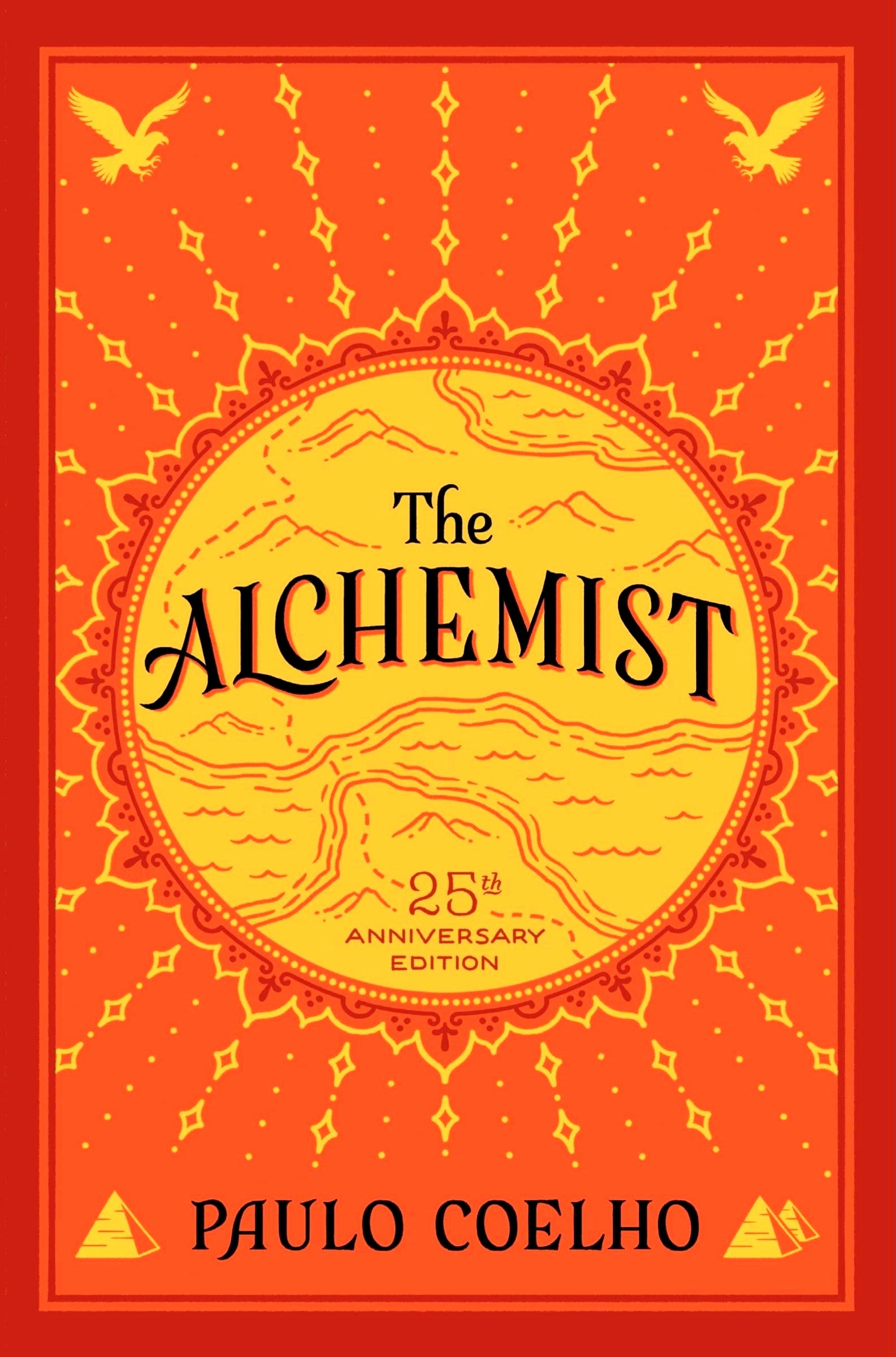
But aside from exercise and platforms that track it, such as Strava, the logging and its haters mostly focus on media consumption: films and books, primarily. The film sites are relatively limited: Letterboxd is, in my view, far and away the best, but you can also use IMDB too. When it comes to books, there are a whole host of options, most of which position themselves as an alternative to Goodreads, which, as well as being part of the behemoth of Amazon, is also neglected in terms of features. (You can take your pick – Fable, Storygraph, LibraryThing, and so on – there is no clear winner and they all have some of the same un-smooth design of Goodreads.)

None of this is entirely new. Goodreads turns 20 years old later this year; Letterboxd is a teenager. Even before then, people were actively logging, and, for instance, my colleague Anthony Cuthbertson has been heroically tracking every book he's read since 2008 in physical journals. But the mockery is surely a recognition that this is becoming more popular. That people love to log.
I’ve all the zeal of the neophyte. As a newly converted logger, I’m very happy to counter all the mockery with excitement and tell you just how fun it is. Logging means that you have access to an instant reminder of what you've seen and read and got up to, all structured not around the overly personal journal or messiness of photos. It means that you can think about what you've been thinking about, over time, in an organised way that also helps to organise that thinking.
Very often, the anti-logging jokes suggest that people have ideas above their station. That they are either sad, failed film reviewers who think everyone cares about their takes, or otherwise stuck in a kind of arrested development that means they crave homework. They are telling on themselves, I think, in the suggestion that it is anything other than just a fun way of noting down what you've been up to; I personally dress neither as a student or a critic while writing my Letterboxd reviews, and am always surprised if someone mentions that they’ve even read them.
It’s tempting to say that this represents a new kind of social media. And it does: you can find old friends and make new ones on all of these platforms. But part of the value is that this social contact happens in limited and specific ways: it’s only really for talking about the film you watched, or the book you read, which means that you always have something to discuss, but also always know what you should be discussing.
But that isn’t really what I’m saying. My book-logging account – no, I won't tell you where it is, I know you’re desperate to know – is anonymous, and nobody follows me, and I’ll be keeping it that way, thank you very much. It is actually precisely not a social media account. And that is part of the appeal, too. Logging can be social, but it can also be entirely non-social, which is vanishingly rare online today. My log is between me and the computer, with no requirement to perform and no fear that I am accidentally curating some sort of trove for scammers to know me or AI training data to understand me.
Join our commenting forum
Join thought-provoking conversations, follow other Independent readers and see their replies
Comments
Bookmark popover
Removed from bookmarks