I’m a ‘white hat’ hacker and one thing tells me how close to a cyber catastrophe we really are
Ransomware attacks on airports and Jaguar Land Rover won’t stop there, says Mantas Sabeckis, cybersecurity researcher at Cybernews. Recent hits have pinpointed a systems fragility that could take us nearer to a tech meltdown which could threaten public safety – and national security


Last weekend, millions of travellers faced a modern nightmare: delays, cancellations, and chaos at some of Europe’s busiest airports – Heathrow, Brussels, Berlin – triggered by a ransomware attack on Collins Aerospace’s check-in and boarding software. It’s very much the reality of today’s hyperconnected infrastructure.
Barely days after the hit at the airports, the full catastrophic fallout from Jaguar Land Rover’s cyber attack at the end of August was becoming clear. The company, owned by India’s Tata Motors, has three factories in Britain which produce about 1,000 cars a day. Following the attack, it is reporting losses of at least £50m a week, with many of its 33,000 staff now being told to stay at home, with further cascading effect down the supply chain, affecting jobs across the West Midlands.
As the government considers a financial lifeline to the carmaker, it all shows how fragile the entire supply chain really is. When a single breach triggers waves of shutdowns across dozens of suppliers (many of them small outfits barely holding on), you see the real cyber ripple effect and why calls for a furlough-style safety net might be a vital strategy to buy time for businesses to patch their digital fences and stop this from snowballing again.
The Jaguar Land Rover cyberattack shows just how costly these hacks can be – not just for big companies but for people too. Every year, UK shoppers lose hundreds of millions to online fraud like scams and identity theft. In the 2023/24 financial year, UK consumers reported 68,082 cases of online shopping fraud, which resulted in losses exceeding £56m. The cyberattack in April cost Co-op about £206m in lost revenue in the first half of 2025, with it reporting that its operating profit was hit by around £80m in that period and an expected full-year profit hit to be around £120m. M&S estimates its cyberattack this Easter will also cost about £300m.
The attack disrupted online shopping, caused stock shortages, cancellations, and every year, thousands of UK shoppers lose hundreds of millions to online fraud such as scams and identity theft. Add to this the increase in prices as retailers factor in these hits to their bottom line, and you can see how this becomes all of our problem. But it doesn’t stop there.


As a white hat hacker – also known as an ethical hacker – I am a cybersecurity professional who uses my skills legally to identify security vulnerabilities in computer systems, software, hardware, or networks. I test and improve security by finding weaknesses before malicious hackers can exploit them, and help organisations strengthen their cybersecurity defences. What I see every day is more than alarming.
When these kinds of cyberattacks happen, they often leak employee or partner data, putting people at risk of identity theft or phishing scams afterwards. So the effects touch everyday life – from the money lost in fraud to job worries and broken supply chains, to what is available to buy and how much it costs. This makes it clear at a basic level why strong cybersecurity matters to everyone.

The average cyberattack costs UK companies tens of thousands to millions of pounds, including direct financial loss, operational downtime, reputational damage, and recovery expenses. In total, cybercrime costs the UK economy approximately £27bn annually, which reflects both direct losses and wider economic disruption. This impacts on our productivity, growth strategy supply chain reliability, and government resources allocated to incident response and recovery efforts.
In terms of frequency, cyberattacks are happening more and more, and to hundreds of thousands of UK businesses and organisations every year. In the last 12 months, about 612,000 businesses and 61,000 charities reported cyber incidents, with millions of attacks ranging from phishing scams to ransomware. This shows the UK faces a huge and growing number of cyber threats constantly.
Of course, the biggest (and most feared) danger is if these attacks hit critical infrastructure like energy, transport, healthcare, or finance. These sectors keep the country running and serve millions of people daily. A serious breach there would lead to blackouts, transport chaos, medical device failures, or financial system breakdowns – effects that go far beyond money lost to affecting public safety and national security.
This will be at the forefront of minds in government and boardrooms right now. How resilient are our systems – protecting them is now vital to prevent widespread disruption and maintain everyday life.
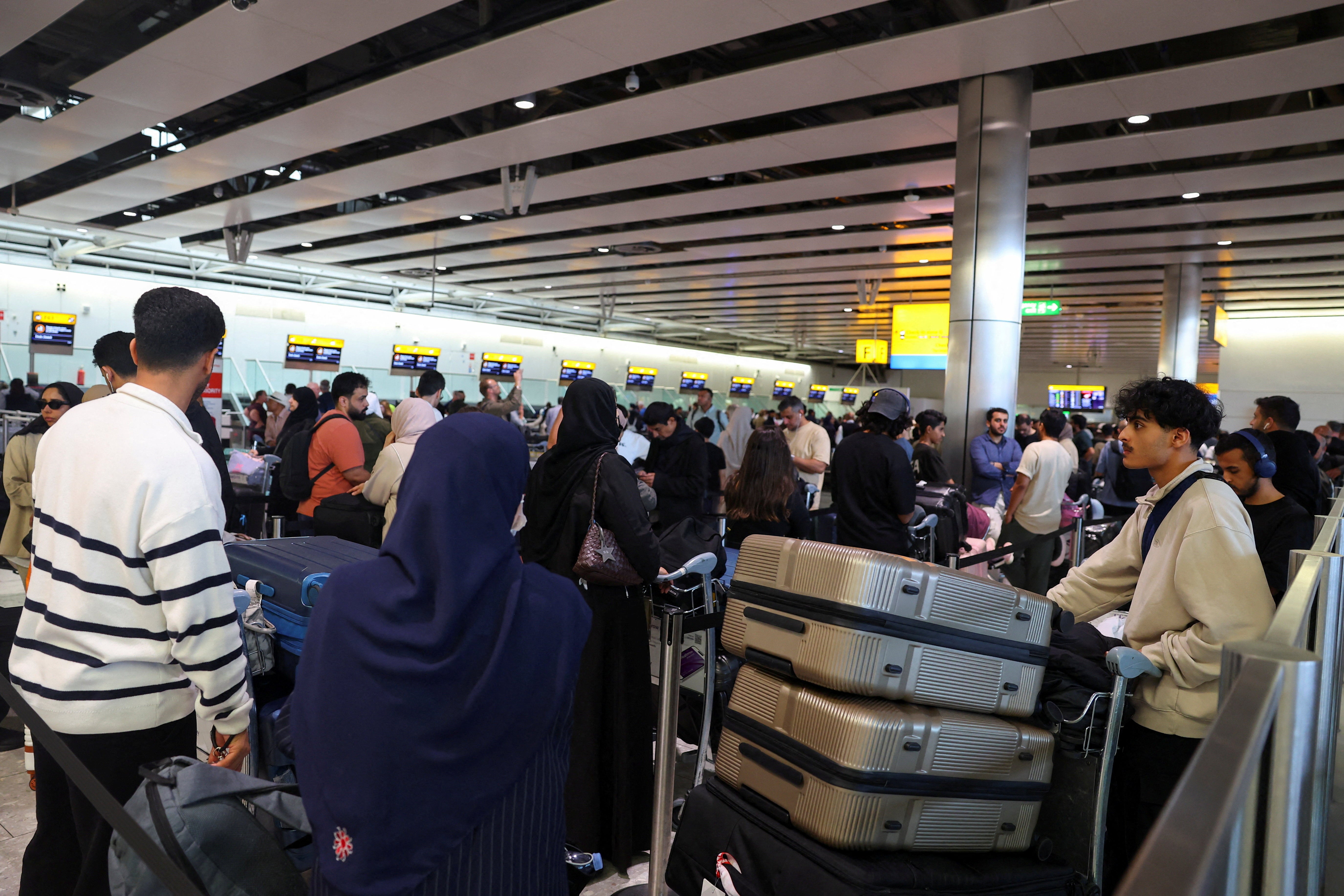
If recent events have shown anything, it is how hidden cyber risks can be and how unprepared many important systems actually are. They show how vulnerable supply chains can put businesses in trouble. Collins Aerospace, which was attacked at the weekend, isn’t an airport or airline, but a software vendor – a third-party provider whose systems connect together vast and complex air travel operations.
This sort of third-party risk is increasingly now a target for ransomware gangs. A flaw in one single vendor’s software can cascade through the global transportation ecosystem, unleashing catastrophic disruption across an entire continent.
The lesson here is that just making computers and firewalls stronger isn’t enough. Real protection means keeping a close eye on every part of your supply chain. Are vendors’ security practices robust? Do contracts demand transparent vulnerability disclosure? Is patch management swift and audited? Those questions are foundational.
Then there’s the often-overlooked fallback mode: manual operations. The aerospace hack blew up the digital convenience airports pride themselves on: automated check-ins, seamless boarding. The reversion to handwritten boarding passes and paper manifests was crude but necessary. Investing in these manual backups and making sure staff are trained to execute them under pressure is now as essential as any other security measure. In the race to digitise, this old-school readiness often gets pushed aside, until it becomes a lifeline.

Experts are trying to find out who’s responsible. Terror law watchdog Jonathan Hall KC says it’s possible state-sponsored hackers could be behind the attack. Places like Heathrow in the UK are quite obvious targets during big political and economic tensions. Figuring out who’s behind attacks like this is always tough, but it shows that important systems like airports are now key targets in global cyber battles.
This incident shows that being ready for cyberattacks isn’t just about building stronger defences. It means taking care of the entire system – making sure every part, including suppliers, is secure, planning for the worst, and having backup plans that keep important services running no matter what.
We may be racing toward a more automated dawn, but we have to keep in mind that the digital runway isn’t invincible, and resilience must be built in from the ground up. Our future will depend on it.
Mantas Sabeckis is a security researcher at Cybernews, specialising in identifying data leaks, detecting vulnerabilities, and enhancing the security of AI systems.
Join our commenting forum
Join thought-provoking conversations, follow other Independent readers and see their replies
Comments
Bookmark popover
Removed from bookmarks