Elon Musk’s Neuralink says 10,000 patients have signed up for its brain chip
Tech billionaire wants to use implants to ‘achieve a sort of symbiosis with artificial intelligence’

Elon Musk’s brain chip startup Neuralink has a backlog of 10,000 people hoping to get the brain-computer interface implanted in their skull, the company’s president has said.
Neuralink opened a ‘Patient Registry’ on its website earlier this year, allowing people around the world to sign up for trials of the technology.
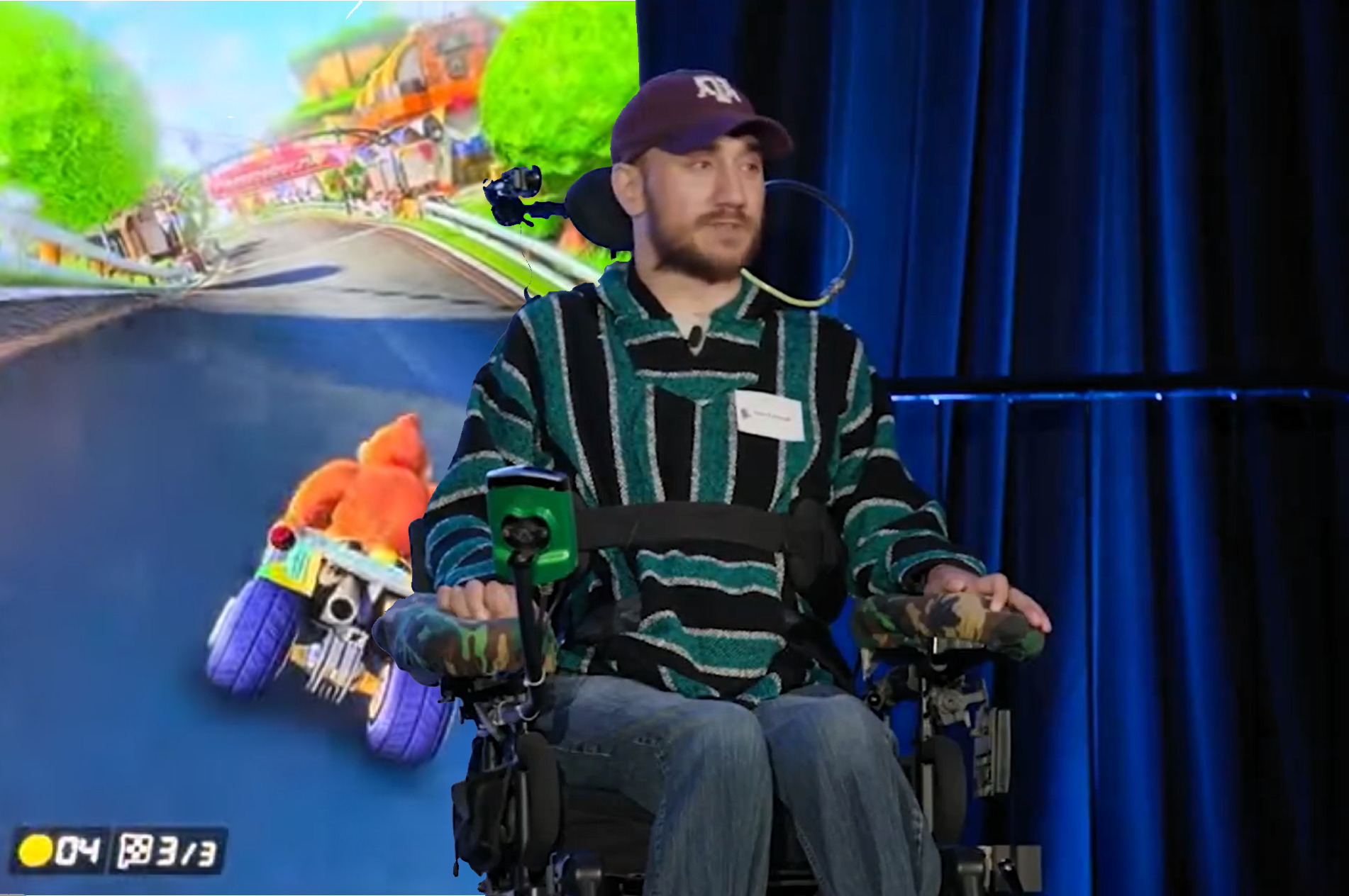
There have already been 12 clinical trial patients, who use the Neuralink devices to control computers with their thoughts. A further 13 people are expected to have the brain chip implanted by the end of the year.
Only people living with paralysis from conditions like motor neurone disease or a spinal cord injury currently qualify for the trials, however Mr Musk claims that future iterations of the brain chip will offer people without disabilities to “achieve a sort of symbiosis with artificial intelligence”.
The tech billionaire also says future capabilities could include streaming music directly to the brain, restoring vision for blind people, and enabling superhuman levels of communication through telepathy.
“It could even get to the point where you can upload your memories and essentially have a saved version of yourself... then download that into a robot body or a clone version of your original self,” Mr Musk said during a live stream in July.
“I’m really getting into sci fi here... but I do think stuff like that will be possible, which would give people a form of immortality.”
Neuralink co-founder and president DJ Seo revealed the size of the company’s waiting list in a research report issued by Morgan Stanley this week, which also warned of the ethical implications of the technology.
“While the topic of many sci-fi books and films, brain-computer interfaces are the new frontier for humanity and will entail a host of moral, ethical, and legal-regulatory considerations along the way,” it stated.
The current N1 version of the Neuralink chip, which connects to a computer via Bluetooth, has allowed test patients to control a robotic arm, browse the web and play video games like Mario Kart.
Join our commenting forum
Join thought-provoking conversations, follow other Independent readers and see their replies
Comments
Bookmark popover
Removed from bookmarks