OpenAI launches major new video generation tool – and a TikTok-like app to watch other people’s
Platform immediately criticised for leading to new kinds of AI ‘slop’
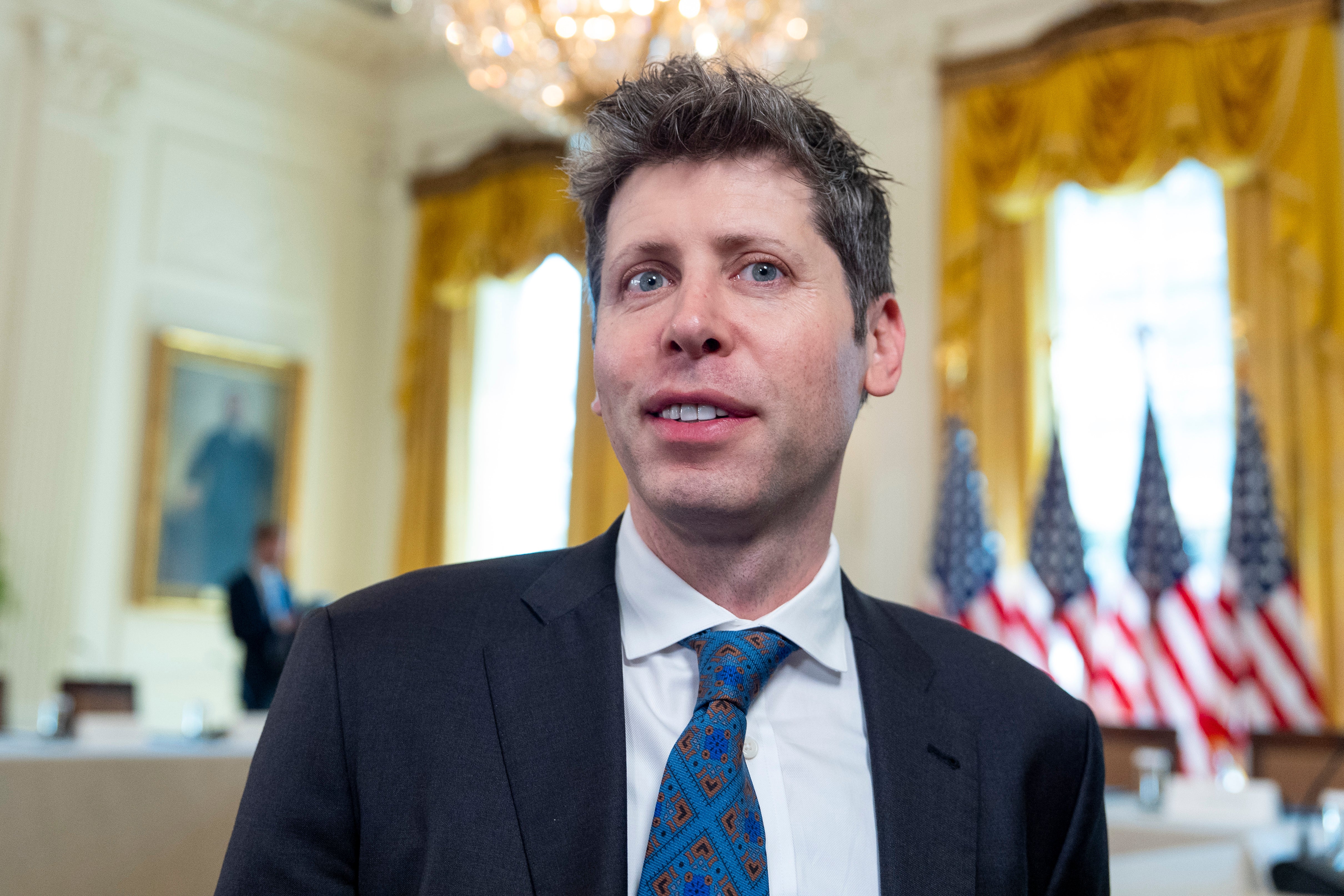
OpenAI has launched a new video editing tool – and a devoted, TikTok-like feed for watching other people’s.
The creator of ChatGPT and other products has long claimed that its ultimate project is matching human intelligence and using it to solve the world’s problems. But its latest release suggests that it is also attempting to make it easier for people to make more short videos.
The release of the system and the app, both of which are named Sora, has already led to fears that the internet will be taken up by even more “slop”, or low-quality and false videos that can be made relatively quickly with artificial intelligence.
“These things are so compelling,” said Jose Marichal, a professor of political science at California Lutheran University who studies how AI is restructuring society. “I think what sucks you in is that they’re kind of implausible, but they’re realistic looking.”
The Sora app’s official launch video features an AI-generated version of OpenAI CEO Sam Altman speaking from a psychedelic forest, and later, the moon and a stadium crowded with cheering fans watching rubber duck races. He introduces the new tool before handing it off to colleagues placed in other outlandish scenarios. The app is available only on Apple devices for now, starting in the U.S. and Canada.
Meta launched its own feed of AI short-form videos within its Meta AI app last week. In an Instagram post announcing the new Vibes product, Meta CEO Mark Zuckerberg posted a carousel of AI videos, including a cartoon version of himself, an army of fuzzy, beady-eyed beings jumping around and a kitten kneading a ball of dough. Both Sora and Vibes are designed to be highly personalized, recommending new videos based on what people have already engaged with.
Marichal's own social media feeds on TikTok and other sites are already full of such videos, from a “housecat riding a wild animal from the perspective of a doorbell camera” to fake natural disaster reports that are engaging but easily debunked. He said you can't blame people for being hard-wired to “want to know if something extraordinary is happening in the world.”
What's dangerous, he said, is when they dominate what we see online.
“We need an information environment that is mostly true or that we can trust because we need to use it to make rational decisions about how to collectively govern,” he said.
If not, “we either become super, super skeptical of everything or we become super certain,” Marichal said. “We’re either the manipulated or the manipulators. And that leads us toward things that are something other than liberal democracy, other than representative democracy.”
OpenAI made some efforts to address those concerns in its announcement on Tuesday.
“Concerns about doomscrolling, addiction, isolation, and (reinforcement learning)-sloptimized feeds are top of mind,” it said in a blog post. It said it would “periodically poll users on their wellbeing” and give them options to adjust their feed, with a built-in bias to recommend posts from friends rather than strangers.
Additional reporting by Associated Press
Bookmark popover
Removed from bookmarks