Scientists develop new ‘safer, cheaper’ battery that may replace lithium cells
Battery uses sodium and sulphur to address overheating, cost and supply chain issues
Chinese engineers have built a new type of sodium-and-sulphur battery they say can be a safer and cheaper alternative to lithium cells.
An ever-increasing number of electronics use lithium as the key battery material. But lithium batteries are prone to overheating and material sourcing problems, leading to safety risks and higher costs.
Researchers across the world are on the lookout for battery materials with more desirable qualities.
Previous attempts at designing sodium-and-sulphur batteries were beset with feasibility problems, not least that they needed a high amount of sodium metal, curtailing widespread use.
These earlier designs also struggled to create the key chemical reaction needed for producing power at room temperature. “The use of substantial sodium metal at the anode, generally exceeding those of conventional lithium and sodium batteries by tens of times, undermines safety and cost-effectiveness, while sacrificing the available energy and power densities,” the researchers explained in a study published in the journal Nature.
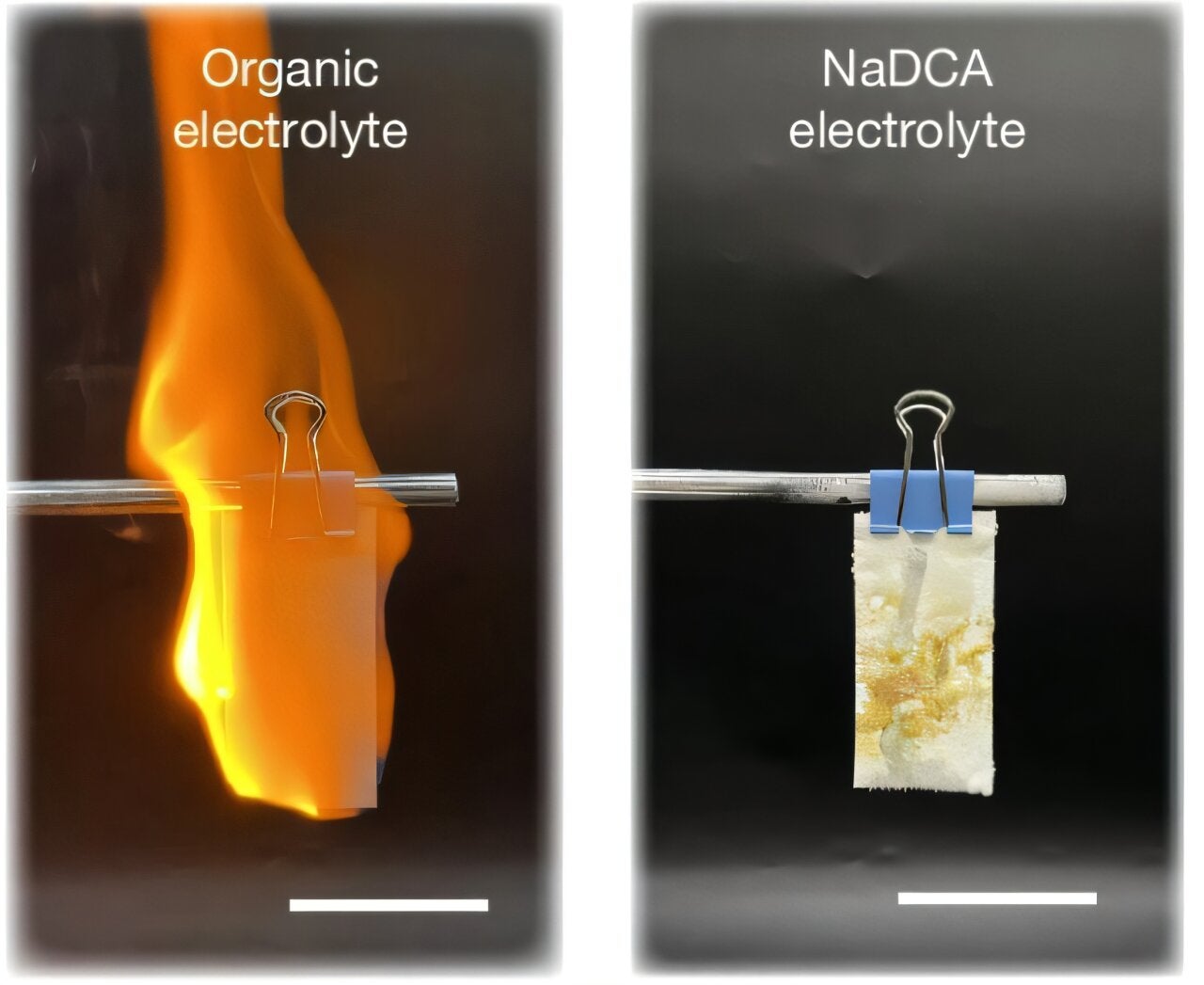
The researchers tweaked the chemical reaction to create a high-voltage anode-free battery that worked well at room temperature.
They claim their new design offers a discharge voltage of 3.6 volts compared to only about 1.6 V in previous versions.
The battery shows “excellent electrochemical performance and practicability” and costs “far lower than current alternatives”. The researchers say its cost is up to two orders of magnitude lower than current sodium batteries.
The sodium dicyanamide electrolyte used in the battery is also non-flammable, they say, unlike the liquid electrolyte in lithium batteries.
While the new design is promising, researchers say the long-term or large-scale exposure safety of the chemicals used in the battery needs to be further studied.
In any case, they argue, the design carries the potential to address supply chain and safety issues plaguing battery technology currently.
“Our anode-free sodium-sulphur battery shows promise in grid energy storage and wearable electronics,” the researchers said.
Join our commenting forum
Join thought-provoking conversations, follow other Independent readers and see their replies
Comments
Bookmark popover
Removed from bookmarks