Cape Cod potato chips is leaving its hometown of Cape Cod this spring
Cape Cod chips was founded in Hyannis, Massachusetts, in 1980
Cape Cod potato chips is saying so long to Cape Cod this spring as the snack maker aims to “consolidate” production at other plants.
The Campbell’s Company, which acquired the kettle cooked chip brand in 2018, announced last week that it plans to close its plant in Hyannis, Massachusetts, this April.
Cape Cod chips was founded in the coastal town in 1980, and the plant began operation five years later. But the shocking truth for chip lovers is that only four percent of Cape Cod chips are actually made in Cape Cod.
When announcing the Hyannis plant’s anticipated closure, Campbell’s said “the site no longer makes economic sense for the business.”
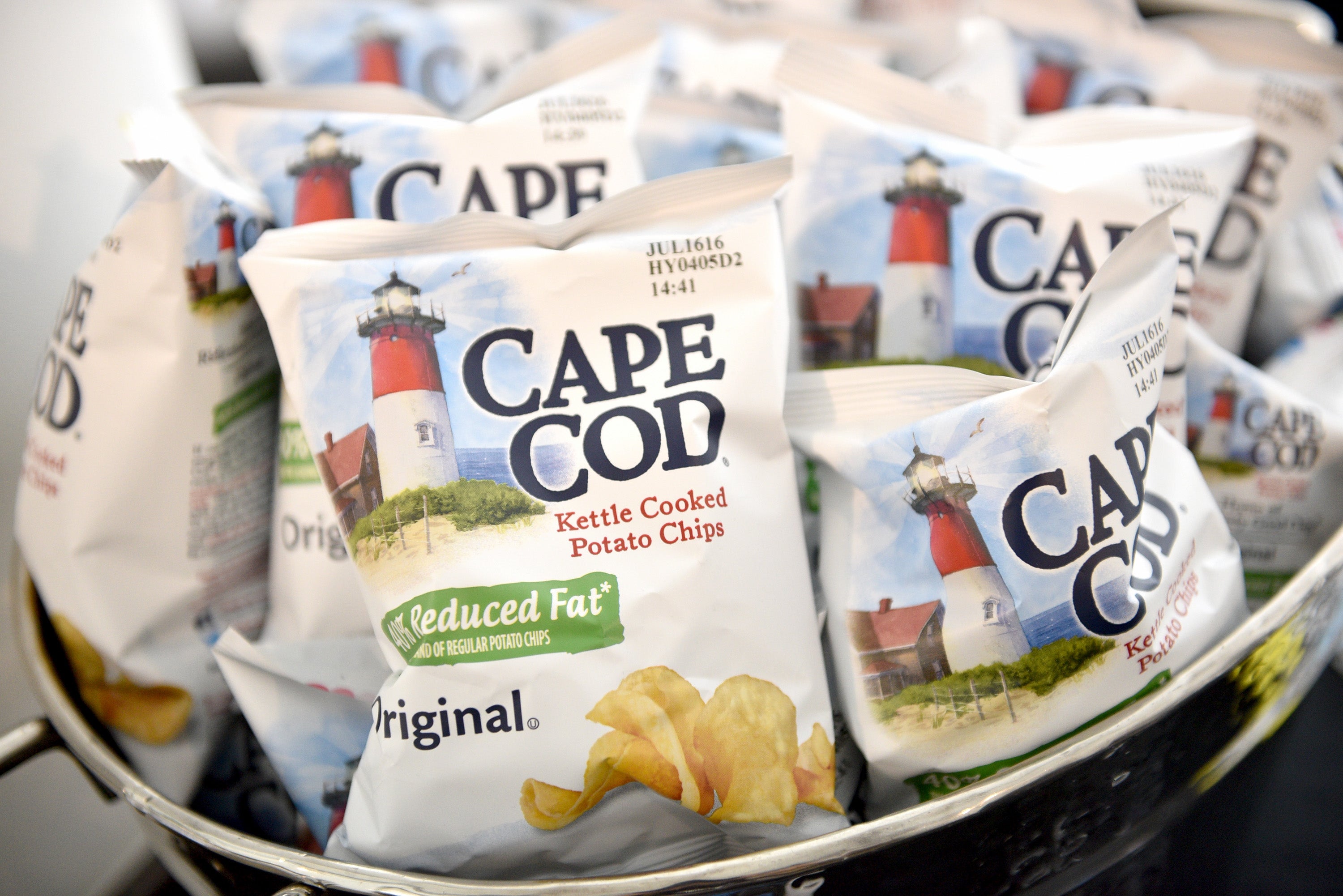
The company is moving the production of Cape Cod chips— along with Kettle Brand chips, which are also made at the Hyannis plant — to “more modern and efficient plants.”
Those plants are located in Beloit, Wisconsin, Charlotte, North Carolina, and Hanover, Pennsylvania.
Nearly 50 employees will be out of a job once the Hyannis plant closes. Campbell’s assured that the company will give separation benefits and help with new job placements.

“This difficult decision reflects a careful assessment of our business needs to strengthen our operations and position our Snacks business for long-term growth. We are deeply grateful to our team and are committed to provide support and assistance during these changes,” Elizabeth Duggan, president of Campbell’s Snacks, said in a statement.
“We will maintain a community presence by honoring the brand’s heritage and continue local investment to support the next generation of food innovators on Cape Cod,” Duggan added.
The snack maker will partner with local organizations offering culinary entrepreneur programs and other opportunities that “align with the hospitality needs of the region.”
The Cape Cod community will also continue to be eligible for grants through The Campbell’s Foundation, which funds organizations “focused on increasing food access, encouraging healthy living and nurturing neighborhoods.”
Join our commenting forum
Join thought-provoking conversations, follow other Independent readers and see their replies
Comments
Bookmark popover
Removed from bookmarks