Inflation sits at 2.7 percent: What it means for you, according to experts
‘Year-over-year increases for food, energy, and shelter may be lower than peaks, but they are not actually falling,’ one expert said
A key report released Thursday revealed that inflation fell in November after increases in August and September.
The Consumer Price Index, a go-to inflation metric that measures changes in the prices consumers pay for goods and services, was 2.7 percent in November, down from 3.0 percent in September.
What’s that mean for your wallet right now? Atsi Sheth, chief credit officer at financial analysis firm Moody’s Ratings, said the message is mixed.
“In terms of what the CPI means for consumers, year-over-year increases for food, energy, and shelter may be lower than peaks, but they are not actually falling,” Sheth told The Independent by email. “So, cost-of-living is still higher, raising affordability concerns especially among lower-income households.”
Adding to the mixed signals from Thursday’s report is that October’s CPI data is missing because the recent government shutdown cut off funding for the report.
As a result, it’s hard to know the month-on-month change that’s key to understanding inflation’s short-term movements.
Staple food prices rose
While overall inflation was down from September, food prices in many important areas rose compared to a year ago. Staples such as meat, frozen seafood, cereals, and staples like rice, flour, coffee, and bread are more expensive than they were in November 2024:
- Uncooked ground beef: +14.9 percent
- Frozen fish and seafood: +11.6 percent
- Coffee (roasted and instant): +18.8 percent
- Flour: +2.2 percent
- Breakfast cereal: +2.4 percent
- Bread: +1.7 percent
- Rice: +1.1 percent
Other areas of daily life saw increases, too. Gas was up 0.9 percent, electricity and utility gas service rose a combined 7.4 percent, audio equipment shot up 10.2 percent, used cars and trucks increased 3.6 percent, and rent ticked up 3 percent.
Part of the reason some critical goods are more expensive year-on-year, even though overall inflation fell, may have to do with tariffs’ impact on how companies price their products, said Katie Klingensmith, chief investment strategist at wealth management firm Edelman Financial Engines.
“Even as year-over-year inflation has cooled, households are facing higher baseline prices for goods, as companies have only recently (within the past few months) begun passing along tariff-related costs to end consumers,” Klingensmith told The Independent in an email.

Egg, peanut butter prices fall
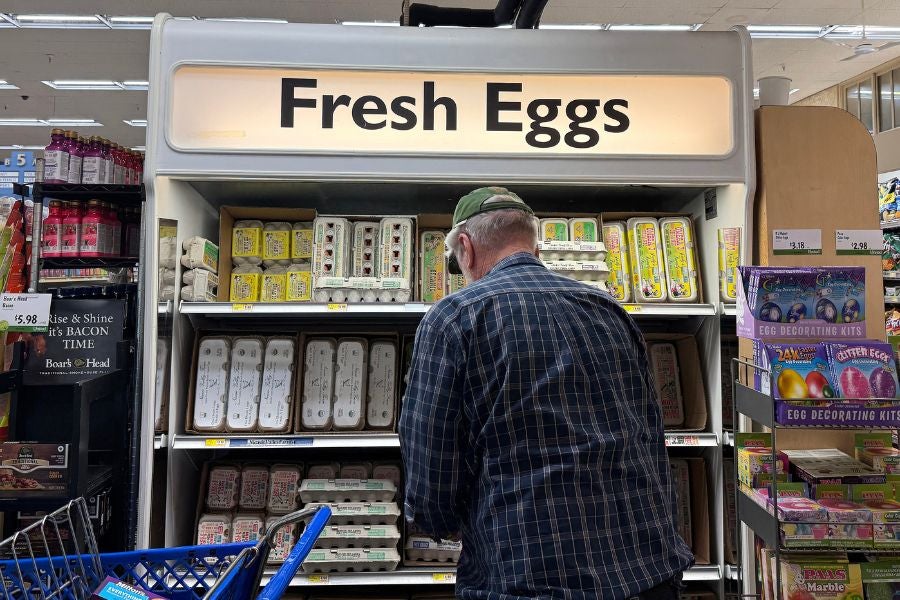
Though some key areas of consumers’ day-to-day expenses rose, there were some notable price declines. Egg prices, which have soared over the past few years and have, in many ways, been an inflation bellwether, fell 13.2 percent year-on-year.
Several other grocery items saw sizeable declines, too:
- Pork chops: -6.3 percent
- Oranges (including tangerines): -4.8 percent
- Peanut butter: -4.6 percent
- Butter: -4.4 percent
- Citrus fruits: -4.3 percent
Additional areas that impact the average consumer’s day-to-day were scattered across goods and services categories. Propane, kerosene, and firewood were down 5.9 percent, dishes and flatware also dropped 5.9 percent, and boys' and girls' footwear declined 3.4 percent.
Smartphones and TVs were 9.4 percent and 7.3 percent cheaper year-on-year, respectively, a decline that may have been fueled by Black Friday and Cyber Monday sales.
Join our commenting forum
Join thought-provoking conversations, follow other Independent readers and see their replies
Comments
Bookmark popover
Removed from bookmarks