Here’s when you can expect your tax refund from the IRS
Tax refunds are issued when an individual has paid more tax throughout the year than they ultimately owe, often due to withholding
The tax filing season is now in full swing, with the Internal Revenue Service (IRS) anticipating 164 million individuals will submit their returns by the April 15 deadline.
Last year, the average refund stood at $3,167 but analysts have projected it could be $1,000 higher this year, largely due to recent changes in tax legislation. Over 165 million individual income tax returns were processed in the previous year, with a significant 94 per cent filed electronically.
While those with straightforward returns are unlikely to face delays, a national taxpayer advocate has issued a warning that the 2026 tax filing season could present considerable challenges for individuals encountering issues. This concern stems from a substantial exodus of IRS workers since the beginning of the previous administration. Many customer service staff, who were initially prevented from accepting buyout offers until after the filing deadline last year, have since departed. The IRS commenced 2025 with approximately 102,000 employees, concluding the year with around 74,000 following a series of firings and layoffs spearheaded by the Department of Government Efficiency.
For those filing electronically, the IRS advises that refunds should be processed within 21 days or less, with direct deposit options potentially speeding up the process further. Conversely, paper returns could take four weeks or more, and any necessary amendments or corrections will extend this timeframe. The IRS cautions taxpayers against relying on a refund by a specific date, particularly when planning significant purchases or bill payments.
To monitor the status of a refund, taxpayers can utilise the online "Where’s My Refund?" tool. This service provides updates within 24 hours of e-filing and typically within four weeks for paper returns. The tool will also offer projected deposit dates for most early filers of the Earned Income Tax Credit (EITC) and Additional Child Tax Credit (ACTC) by February 21. Information is updated once daily, overnight. Access requires your Social Security or individual taxpayer identification number (ITIN). Alternatively, the IRS2Go app or an IRS Individual Online Account can be used.
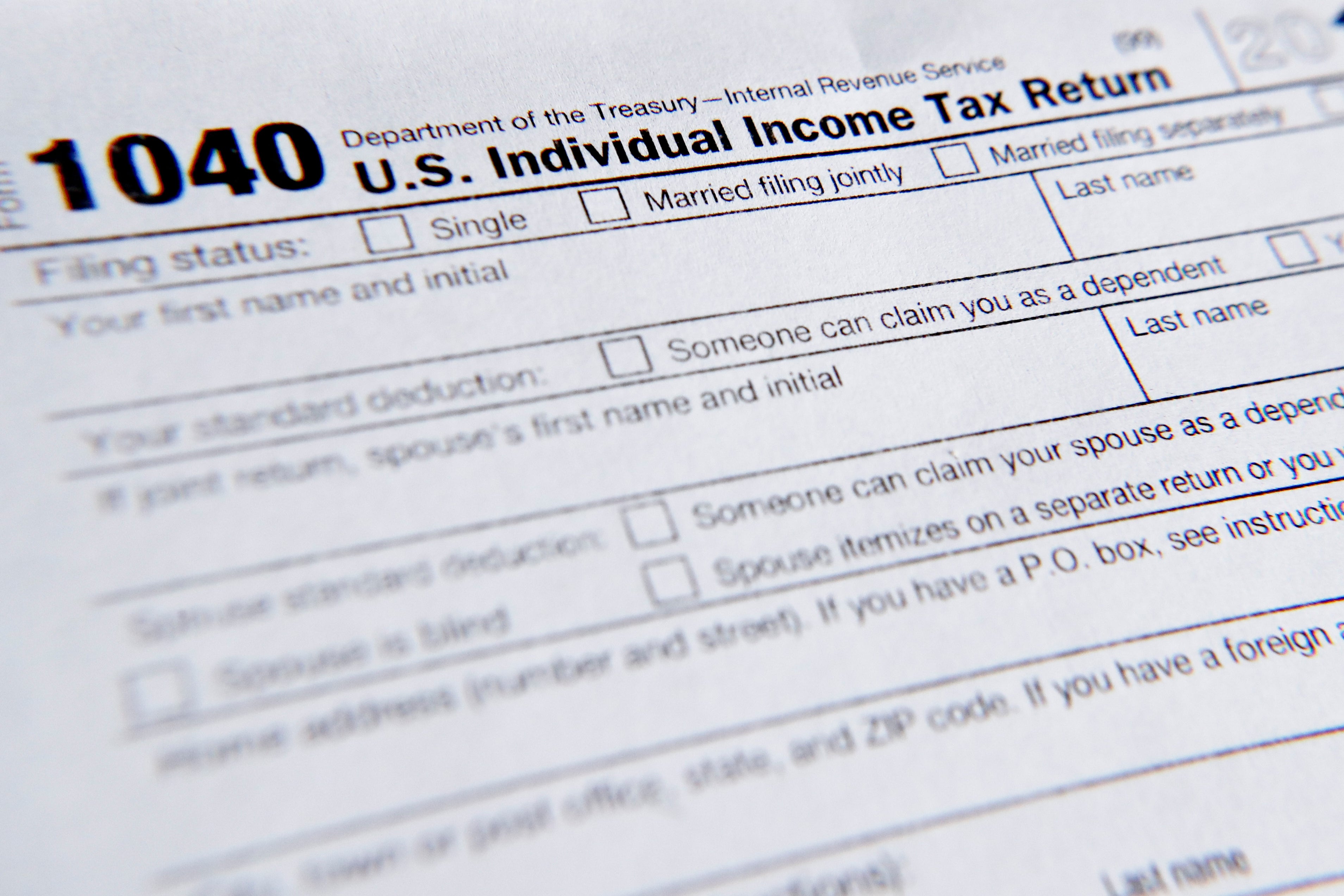
Tax refunds are issued when an individual has paid more tax throughout the year than they ultimately owe, often due to withholding. Even without an overpayment, a refund may still be due if one qualifies for a refundable credit, such as the EITC or Child Tax Credit. To receive a refund, a return must be filed, and there is a three-year window to claim it.
The IRS anticipates that most refunds for the Earned Income Tax Credit, Child Tax Credit, and Additional Child Tax Credit will be deposited into bank accounts or loaded onto debit cards by March 2 for those opting for direct deposit. Some taxpayers may receive their refunds sooner, depending on their financial institution.
A notable change this year is that most taxpayers must provide their routing and account numbers for direct deposit. This follows the IRS's decision to phase out paper tax refund cheques, which began on September 30 in accordance with an executive order.
Bookmark popover
Removed from bookmarks