Crumbl cookies’ rival files for bankruptcy years after explosive growth
Customers compare Taylor Chip to the national phenomenon Crumbl due to their similar oversized, gooey cookies with unique flavors like Lava Cake and Salted Caramel Pretzel
Taylor Chip, a once fast-growing Pennsylvania company that began with a couple’s quest to bake the perfect chocolate chip cookie, is now under intense financial strain as it works through a restructuring process, newly released bankruptcy documents revealed.
The filings, made public this week, show the business is carrying more than $2.5 million in debt while reporting just $400,000 in assets, according to WHP.
Customers compared Taylor Chip to the national phenomenon Crumbl due to their similar oversized, gooey cookies with unique flavors like Lava Cake and Salted Caramel Pretzel.
The Lancaster County-based company, whose owners Sara and Doug Taylor opened their first location in August 2018, became known for its oversized cookies and rapid expansion into new markets including Philadelphia. But delays and rising costs later contributed to its financial troubles.
Taylor Chip announced earlier this month that it would seek protection under Chapter 11 of the U.S. Bankruptcy Code and close its two Philadelphia locations as part of efforts to stabilize operations. In a statement, the founders said the move is meant to give the company a chance to survive and rebuild.
.png)
“Chapter 11 is often misunderstood. It does not mean we're going away. It means we're restructuring so the business can survive and grow stronger,” they said in a social media post last week. “We had to make the difficult decision to close stores in order to even have the opportunity to build a future. This decision wasn't easy, but it was necessary.”
According to bankruptcy documents, a large portion of the company’s liabilities is tied to over $1.8 million in loans from the Small Business Administration, including funds received through the Paycheck Protection Program. The SBA is listed as one of Taylor Chip’s largest creditors, accounting for more than 70 percent of the reported debt.
An SBA spokesperson told The Independent in a statement, “The SBA maintains strict privacy policies and does not disclose information about specific individual or business loans. This includes details related to programs such as PPP, COVID EIDL, or any other SBA-administered assistance.”
The Taylor Chip locations in Manheim Township, Gordonville, Hershey and York, Pennsylvania, will remain open, the owners said. The couple said they will refocus Taylor Chip on its roots by prioritizing rural locations, expanding online sales and building the future of the brand, including its nutrition line.
“Building something from nothing means taking risks, and not every bet pays off the way you expect,” Doug Taylor said in a statement. “We’re proud of what we built in Philadelphia, even though it didn’t work the way we hoped. This decision allows us to protect the heart of the brand, take care of our team, and keep building for the long term. If you’re in the middle of a hard chapter, keep going, it doesn’t define you, and it’s rarely the end of the story.”
Earlier this month, the Taylors pointed to significant permitting delays in Philadelphia as a major factor in the company’s financial troubles.
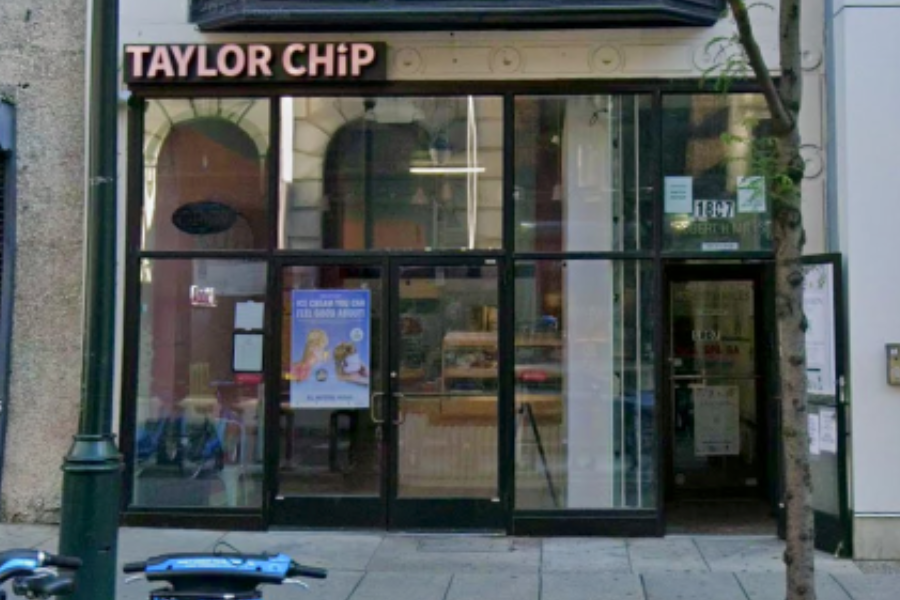
What was expected to be about a six-month process to open the Philadelphia stores after signing the leases in late 2022 stretched into nearly two years, leaving the locations unable to generate revenue while expenses continued to pile up.
Without outside investors, the Taylors said they relied on creative financing to stay afloat, but the Philadelphia locations ultimately could not produce enough income to cover the debt created during those extended delays.
“Like many businesses in our communities, Taylor Chip started small. No investors. Just a maxed out credit card and a passion for making desserts with better ingredients and a community that was looking for the same thing,” the Taylors said in a social media post last week. “As we grew, we took on bigger risks. Some worked. Some didn't. That's part of building a business.”
Join our commenting forum
Join thought-provoking conversations, follow other Independent readers and see their replies
Comments
Bookmark popover
Removed from bookmarks