Experts explain why the president’s plans for the housing market may let you down
Experts are skeptical that the president’s plan for improving the housing market will have lasting benefits
The dream of homeownership has become a tough one for many Americans to turn into reality. Relatively high mortgage rates and limited inventory have kept the cost of owning a home out of reach for a lot of people.
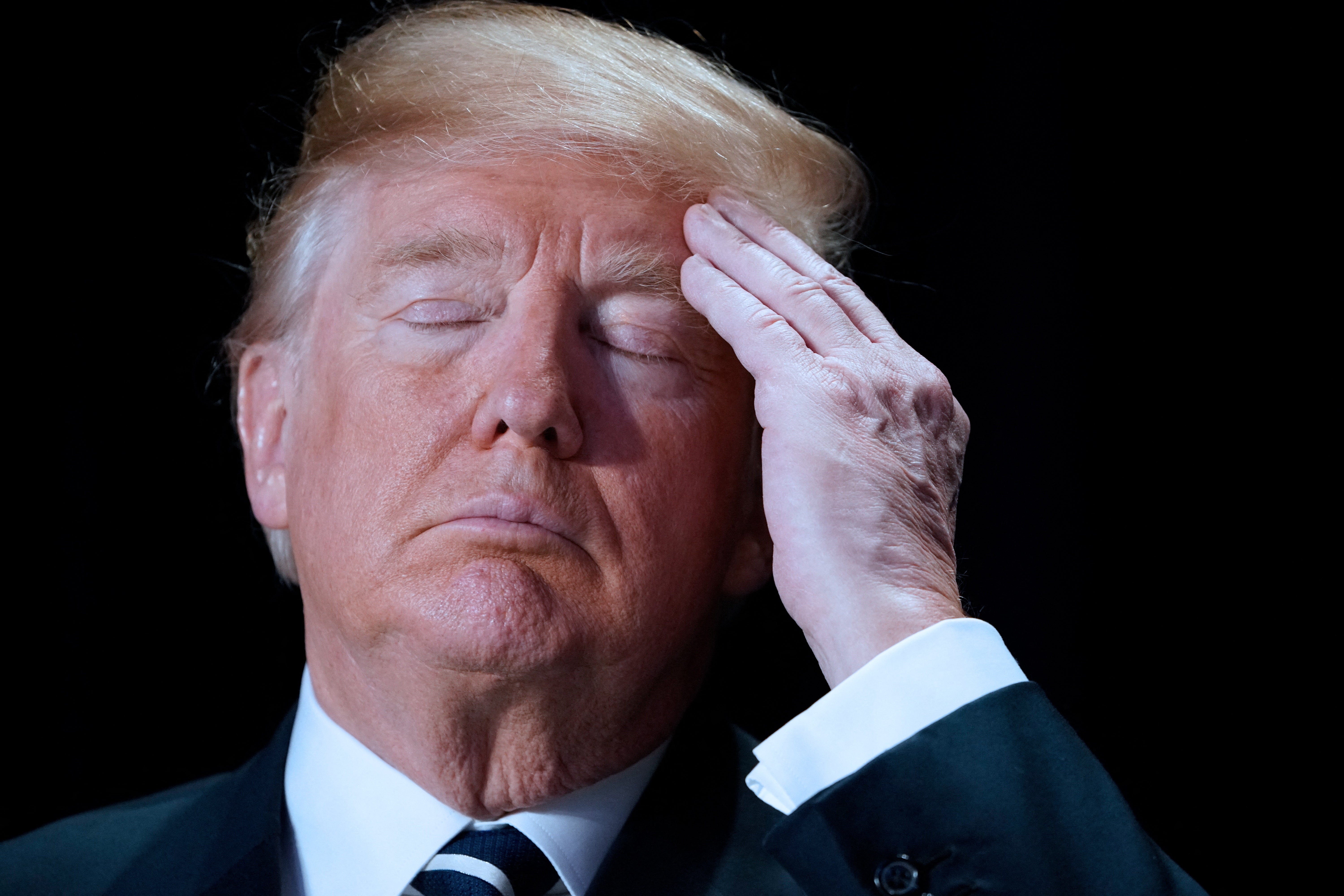
President Donald Trump is hoping to fix that. The president signed an executive order Tuesday that will ban Wall Street investors from buying single-family homes with the intent of freeing up inventory for individual homebuyers.
“Hardworking young families cannot effectively compete for starter homes with Wall Street firms and their vast resources,” the order said.
Additionally, the president has suggested - but not implemented - buying $200 billion in mortgage bonds to lower mortgage rates, and allowing 401(k) withdrawals to make a down payment on a home.
The president’s efforts seem like they could be a big win for future homebuyers, but experts say there are some caveats.
A shaky foundation
With consumers facing a shortage of affordable housing, a ban on institutional investors (large firms which typically buy hundreds of thousands of homes each year) would, in theory, free up inventory for average people looking to buy a home.
However, institutional investors aren’t the big problem they appear when it comes to investor-owned single-family homes, according to a recent report from property data and predictive intelligence firm BatchData. They own just 2 percent of the investor-owned, single-family home market. Non-institutional investors - those who own one to 10 investments properties - make up around 96 percent of the market, BatchData said.
“[The executive order] will create headlines,” Ben Mizes, president of cash-offer home comparison site Clever Offers, told The Independent by email. “However, the true effect on inventory is minimal. Institutional buyers only make up about 2% of the homes owned by investors, so it’s not a huge inventory unlock if they were to completely exit.”
Any boost in inventory from an institutional investor ban likely won’t have a big impact on home prices nationally and a minimal impact on regional pricing, Mizes said.

“These firms typically buy in certain markets and in certain price categories,” Mizes said. “There may be localized effects such as a slight cooling in the rapidly expanding Sun Belt markets. However, there are developing price trends that are more important to consider when looking at the overall country: supply, rates and demographics.”
Additionally, renters may face hardships as a result of the executive order, said Alexei Morgado, owner of real-estate test prep site Lexawise.
“In the future, renters could end up in a tougher spot too, because large investors own a big share of the rental stock, so if they pull back, there might simply be fewer places to rent,” Morgado said in an email to The Independent. “That could push rents up or limit choices.”
A flash in the pan
Earlier this month, Trump announced he may have his administration buy $200 billion in mortgage bonds, a move that would, in theory, lower mortgage rates. But how significant would that home loan rate drop be, and how long would it last?
“It is very hard to say,” Sarah DeFlorio, vice president of mortgage banking at William Raveis Mortgage, told The Independent by email. “At the very least, the hope is that it would lower rates. But since it is artificial, policy-driven, it is unlikely to have a lasting effect without continued interference.”
While the effects may not last a long time, buyers who purchase a home around the time the rates drop would certainly benefit, DeFlorio said.
“If your timing is such that you buy when purchases are happening, it is likely to benefit you,” she said.

However, a spike in home purchases due to lower rates could boost housing prices, as they tend to rise as demand rises, said Dr. Jonathan Ernest, assistant professor of economics at Case Western Reserve University.
“While the purchase could have a mild effect on mortgage rates, it risks ramping up demand for single-family homes even more, without addressing the housing shortage on the supply side,” Ernest told The Independent in an email.
Buy now... pay later
Earlier this month, Kevin Hassett, a Trump economic adviser, told Fox News that the administration plans to allow 401(k) withdrawals to help buyers make a down payment on a home.
Typically, withdrawing money from your 401(k), before you’re 59 and a half years old, results in a 10 percent early withdrawal penalty, according to the IRS. Trump’s plan would likely waive those penalties for those who want to pull out 401(k) funds to make a mortgage down payment.
Is a 401(k) withdrawal worth it to make a dream of homeownership possible? No, said Dr. Robert R. Johnson, a finance professor at Creighton University and CEO of Economic Index Associations, an investment strategy firm. Doing so could put retirees at risk of not having enough funds to live comfortably once they stop working.
“The hazards of taking loans from your 401(k) limit your options later in life,” Johnson told The Independent in an email. “Simply put, there aren't any good options if one hasn't saved enough for retirement. Once one gets to retirement age and hasn’t accumulated enough retirement savings, one only has two options left - continue working or accept a lower standard of living in retirement - and neither of those options [is] good.”
Join our commenting forum
Join thought-provoking conversations, follow other Independent readers and see their replies
Comments
Bookmark popover
Removed from bookmarks