The NHS is failing women with ADHD like me – it’s now a feminist issue
Time and again it is women who are left behind by a healthcare system that fails to spot the telltale signs of ADHD, says Kat Brown. If specialist NHS services across England are excluding patients by age or otherwise closing their doors to patients, it will ruin lives


For something that many people with public profiles don’t believe is real, ADHD is proving to be a surprisingly sticky reason that the NHS’s lengthy waiting lists refuse to come down.
A BBC report has found that specialist NHS ADHD services across England are closing their doors due to too much demand. Thirty-one trusts are rationing care by excluding patients by age or perceived severity. They simply can’t cope. This is awful news for people like me — not just people with ADHD, but women with ADHD.
Women’s ADHD symptoms are very often missed in childhood, and only diagnosed in mid-life – usually when their own children are being assessed. Yet in Coventry and Warwickshire, adult assessment is limited to under-25s, while in Cheshire, the adult service has been closed to new patients since 2019, a year before I was diagnosed at age 37.
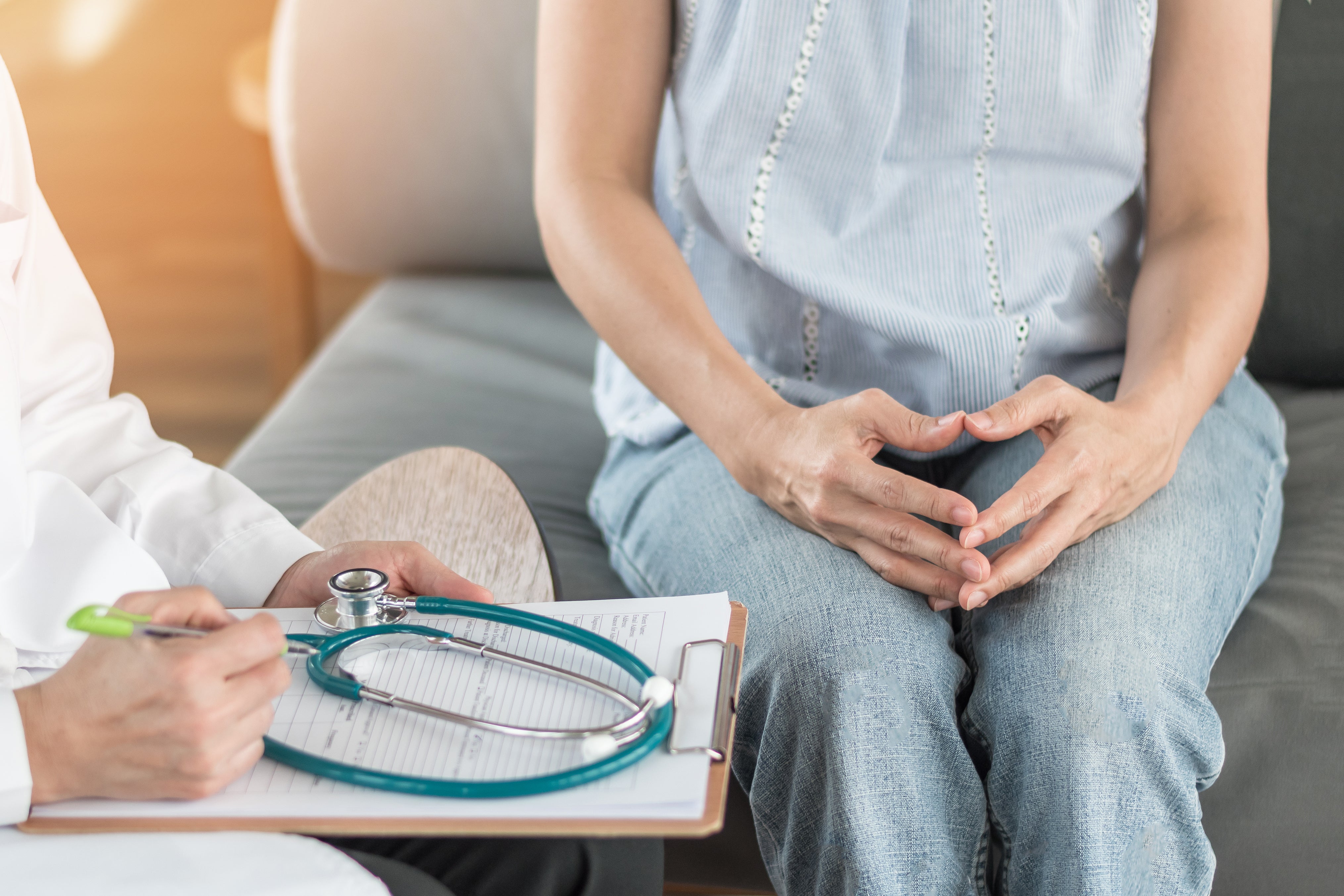
Anyone sputtering that people seeking an assessment want to be special, or to get drugs, is wide of the mark. Nobody is signing up for an eight-year waiting list because they haven’t got anything better to do. They want to be seen – and women especially, who have so often been fobbed off by their GP with a diagnosis of anxiety or depression. Women are particularly prone to masking, covering up how they feel to get through life.
ADHD isn’t “I’m a bit mad, me,” nor is it being a successful British comedian. It is anxiety, depression, binge eating disorder, insomnia, panic, financial insecurity, and alcoholism — and that’s just in my case. In others, people with untreated ADHD struggle to hold onto relationships and jobs. The estimated global burden from untreated ADHD is in the billions of dollars each year, which makes the lack of investment in assessment, especially when the government want to get people into work, and to reduce the strain on the NHS, all the more deranged.
Mind you, many untreated women with ADHD or ASD will have been hiding in plain sight. They might have been hyperactive children, but equally, they might have been daydreaming perfectionists. Their difficulties will have been stuffed down so as not to inconvenience anyone.
But it does take time and expertise to establish good treatment. I am deeply uncomfortable about plans for an NHS pilot scheme in Surrey, also reported by the BBC, which will train private GPs to carry out ADHD assessments. Just as PAs aren’t GPs, nor are GPs psychiatrists. Crucially, diagnosing psychiatrists aren’t only experts in ADHD but also in autism, OCD, and other psychiatric disorders, as there is so much crossover. Assessing for ADHD is like playing Guess Who, which is why assessments are so complex. It cannot be done through a 10-minute chat.
This is how every woman on an ADHD waiting list will have spent years fruitlessly being treated for anxiety and depression or borderline personality disorder instead. It’s also how women in perimenopause end up being offered antidepressants instead of HRT. Being ignored by our GPs, whether for physical conditions or invisible ones, is something that all too many women are familiar with. Endometriosis, PCOS and adenomyosis – even perimenopause – are only now being understood and diagnosed after years of dismissal as “just heavy periods.”
It took my family GP eight years to establish that I might be depressed, and that was only once I’d laid out very plainly how I had planned to kill myself if I flunked out of university.
By the time I was 37, I had had to knit this together for myself. I saw a thread about ADHD on Twitter, of all places, and it all made sense. I self-diagnosed and asked my GP to refer me for assessment – just as I did when my hip started dislocating, and I asked to be referred to the hospital.
Self-diagnosis isn’t the problem. “Some people are so damaged by a lifetime of battling through that they can't overcome the imposter syndrome to self-advocate,” says Laura Mears-Reynolds, the host of the podcast ADHD AF, aimed at women with, or suspecting they have, ADHD. “Or, even to navigate a system that requires us to fight against the very symptoms we need support with.”
While touring a live ADHD AF show – I’ve been to a couple, which are great fun – Mears-Reynolds saw that people had support online but wanted an in-person connection. “So many reported that although they could find support in online spaces, they didn't know anyone local to them,” she says. “And this is in part due to not feeling safe to disclose their ADHD diagnosis or suspicions because of the negative media around it and the idea that it is a trendy bandwagon that people are jumping on, or even just using as an excuse for bad behaviour or to seek benefits.”
She established the ADHDAF+ charity, which now funds free peer support groups for women, non-binary and trans people throughout the UK, and which is one of a series of ADHD charities and organisations picking up the strain from the NHS.
“One of our core messages is that you do not have to have a medical diagnosis to attend, because it remains so timely or costly and difficult to attain one,” she says.
However, women with no form of support are at the mercy of those who either seek to make them feel awful or try to flog them an expensive, and ultimately useless, app or supplement. What is proven to help when medication is unavailable is peer support, exercise, and therapy.
While people are on waiting lists, we need these elements to help people manage their symptoms – and most especially, to help those women who have spent their entire lives being missed. A diagnosis is only the starting point. Understanding and acceptance are the journey of a lifetime.
Kat Brown is the author of It’s Not A Bloody Trend: Understanding Life as an ADHD Adult (Robinson)
If you are experiencing feelings of distress or are struggling to cope, you can speak to the Samaritans in confidence, on 116 123 (UK and ROI), email jo@samaritans.org, or visit the Samaritans website to find details of your nearest branch.
If you are based in the USA, and you or someone you know needs mental health assistance right now, call or text 988, or visit 988lifeline.org to access online chat from the 988 Suicide and Crisis Lifeline. This is a free, confidential crisis hotline that is available to everyone 24 hours a day, seven days a week. If you are in another country, you can go to www.befrienders.org to find a helpline near you.
Join our commenting forum
Join thought-provoking conversations, follow other Independent readers and see their replies
Comments
Bookmark popover
Removed from bookmarks