Cheap power is the key to keeping public support for net zero alive
If we make clean power cheap, firm and fair, we can rebuild public support and power a new era of growth, writes Tone Langengen – if only right and left can stop squabbling for long enough to make it happen


Britain’s energy debate has lost its way. The right says net zero has gone too far, the left says we must go faster. But ideology doesn’t keep the lights on or bills down, and the UK is paying some of the highest electricity costs in the developed world.
The real question isn’t whether to decarbonise – that debate is over. It’s how to do it in a way that’s affordable, realistic and fair.
While some have suggested walking back the country’s commitment to the Climate Change Act or to achieving net zero by 2050, that choice would amount to rolling back progress. But we don’t need a green retreat or another moonshot target either. We need a credible plan for cheaper, cleaner power and one that makes energy the foundation of prosperity.
At the Tony Blair Institute, we’re calling for a shift from the government’s target of clean power by 2030 to cheaper power by 2030 and net zero by 2050. This would be a shift in political priorities that keeps net-zero goals intact while rebalancing clean power towards growth and value for money.
Launched in the middle of the gas crisis last October, the Clean Power 2030 action plan was right for its time, but the world has changed. Interest rates are higher, the grid can’t keep up, and electricity in the UK is now four times more expensive than gas.
The next stage of net zero isn’t just cutting emissions but in making electricity so cheap and abundant that it powers everything else: homes, cars, factories and data centres. Cheap power isn’t a nice-to-have; it’s the key to keeping public support for net zero alive.
That support is already under strain. Britain is still in a cost-of-living crisis where every penny counts. The energy price cap remains over £500 a year higher than before Russia invaded Ukraine in 2022, and suppliers are warning that household bills could rise by a further 20 per cent next year. If clean energy continues to mean higher costs, voters will turn against it – and with them, the whole transition.
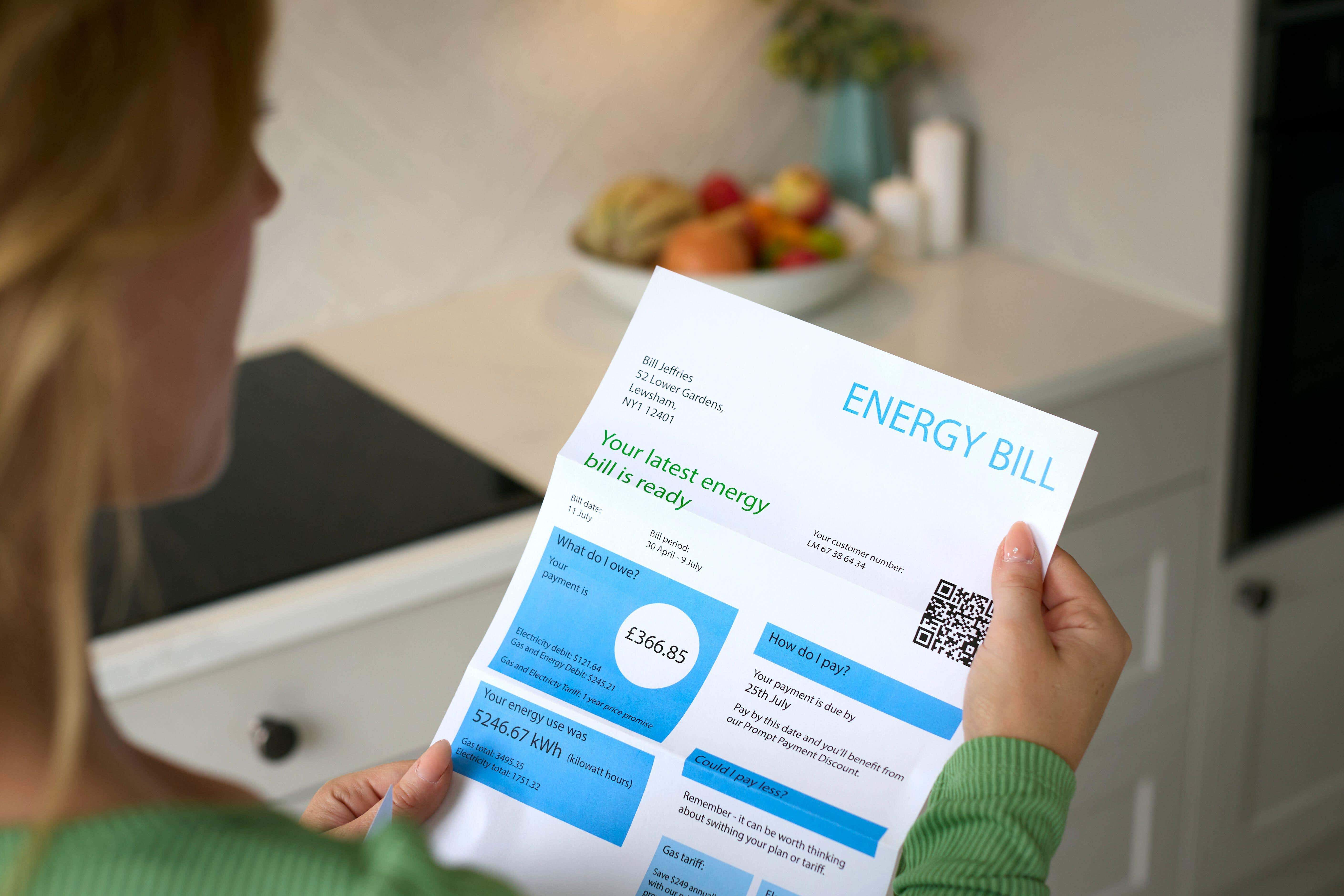
That’s why the government must act urgently. It should ease gas costs now by suspending carbon taxes on gas until 2030, including removing the Carbon Price Support Levy, providing over £250 million in relief for families facing record energy debts. At the same time, it must fix the energy market through locational pricing – rewarding clean power built where it’s most needed and cutting hidden costs of an outdated system.
The upcoming AR7 offshore wind auction is the first big test. The Government must resist the temptation to chase capacity at any price; if they do, Britain risks locking households into paying more for wind than gas, the opposite of what net zero was meant to achieve. Clean energy policy must now be about value for money, not just volume.
Alongside that, the UK needs to modernise the grid with AI, smart technology and better data so power flows efficiently across the country. It must back a balanced mix of renewables and nuclear – and stop throwing good money after bad on costly biomass and premature carbon capture. And it must cut red tape so clean projects turbocharge connections to the grid. Every new clean-energy contract must lower bills, not raise them. Taken together, these are the foundations of a new energy mission that delivers growth, cuts costs, and restores public faith in the transition.
Energy should not be a culture war. It’s a question of national strength and security. One that should unite us around a simple goal: to make Britain the cheapest, cleanest and most reliable place in the developed world to power a modern economy.
This means less moral posturing, more delivery. Less fixation on targets, more focus on cost, flexibility and reliability. And it also requires a willingness to admit that the route to clean power may be slower than some hope, but faster than the populists fear – if we get the system right.
The real choice facing Britain isn’t between having net zero or not; it’s between doing it well or doing it badly. If we keep fighting over targets, we’ll end up with higher bills, lost investment and a public that gives up on the whole project. But if we make clean power cheap, firm and fair, we can rebuild consensus, and power a new era of growth, security and pride.
This isn’t about left or right. It’s about whether Britain wants to lead the future or be left paying for it.
Tone Langengen is a senior policy advisor on climate and energy policy at the Tony Blair Institute
Join our commenting forum
Join thought-provoking conversations, follow other Independent readers and see their replies
Comments
Bookmark popover
Removed from bookmarks