As China’s mega-embassy nears approval, MI5’s spy alert hands Starmer overdue leverage
With the UK’s domestic security service issuing a fresh warning over China using LinkedIn influencers to tap up MPs, it’s as good a time as any to finally settle the matter of China’s London embassy – and the UK’s in Beijing, writes Michael Sheridan


The latest warning from MI5 about Chinese spying on UK MPs has created an unexpected opportunity to settle the dispute over China’s proposed mega-embassy in London.
Diplomacy is about bargaining. Both sides should be able to have a full and frank exchange about the limits of acceptable behaviour and the rules of engagement. Yet the Chinese Ministry of State Security (MSS) shows little sign of believing any rules apply to it. This is a moment to try to set some.
Former British intelligence officials who have worked on China say its security state has two tasks abroad: to collect secrets and to cultivate influence. Its aim is to weaken political will and divide opponents so that, in a crisis, their alliances may fracture.
The security minister, Dan Jarvis, has called this a “covert and calculated” effort to run interference and espionage against Britain’s democracy – the two objectives often go hand in glove for autocracies. He told parliament the government “will not stand for it”.
Yet for too long it has been unclear exactly what the government will stand up for. The Chinese embassy dismisses concerns as “slander and malicious fabrication”. Its diplomats exploit the ambiguity, particularly after the collapse of a prosecution against two Britons – one a parliamentary researcher – accused of espionage. Both men denied wrongdoing.
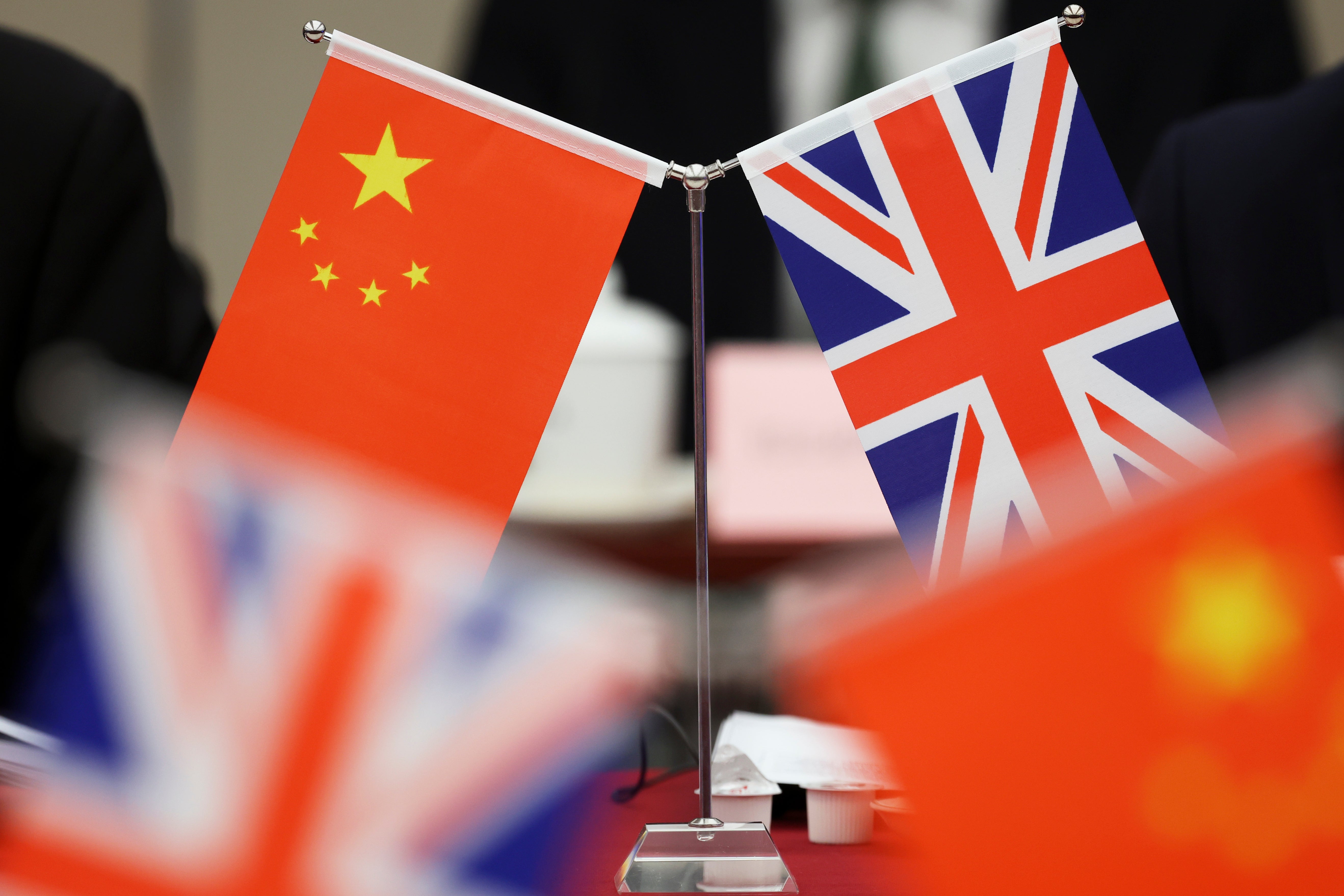
Now the government has a chance to reach a clearer understanding, with leverage over Beijing for something it wants. Such moments do not come often: the last time China was compelled to compromise was when it wanted Hong Kong back, when it joined the World Trade Organisation, and when it secured the 2008 Olympics. If Sir Keir Starmer is going to say “yes”, he should extract a price.
China needs its embassy in London just as Britain needs its embassy in Beijing. The difference is that China has already spent £225m on a five-acre site at Royal Mint Court near the City of London, and its ambitious plans are on hold.
Campaigners have marched in protest at the purchase, and experts have warned of the risks – from attacks on cables serving the City to the possibility of secret dungeons. There is precedent: in 1896, the revolutionary Sun Yat-sen, who would later found the Republic of China, was kidnapped and held at the Chinese embassy in Portland Place for 12 days until public outrage forced his release.
It was therefore notable that Sir Richard Moore, the outgoing head of MI6, said in an interview with Bloomberg that “there has to be a way through” for the Chinese to get their embassy.
Privately, briefings suggest that the security services believe they can mitigate the risks. My sources say China has brought in more MSS officers to replace diplomats in recent months and is planning to make the London embassy a hub for its main spy agency. In some ways, it may even be useful to have so many adversaries gathered on one site where they can be monitored. As the military maxim goes: never interrupt the enemy when he is making a mistake.
Which brings us to Beijing and His Britannic Majesty’s embassy at Number 11, Guanghua Lu: a leafy boulevard that runs east to west across the city.
I have come to know that modest compound well over the decades. It, too, is steeped in history: Mao’s Red Guards burnt out the mission on 22 August 1967; a governor of Hong Kong, Sir Edward Youde, died in the ambassador’s residence in 1986; and thousands of demonstrators besieged the compound in 1999 to protest against Nato’s bombing of the Chinese embassy in Belgrade; they turned on the solitary westerner outside only to break into applause when he identified himself as Conor O’Clery of The Irish Times.
Theatre has always been part of diplomacy with China – and so has espionage. In the 1990s, the formidable British diplomat running the compound would sack one of her gardeners every few months, a pointed message to the diplomatic bureau that controlled all her local staff. Today’s methods are more sophisticated, but the principle still applies.
The Foreign Office now wants to modernise its Beijing site. And foreign secretary Yvette Cooper – once a leader writer on The Independent – has told her Chinese counterpart, the dour veteran Wang Yi, that threats to Britain’s security will not be tolerated.
Here, then, are the makings of a deal. Both embassies should proceed, on one condition: China must curb its activities on British soil and demonstrate goodwill by releasing Jimmy Lai, the imprisoned Hong Kong publisher and British citizen. The acts need not be publicly linked. Beijing hates reciprocity but accepts realism. Both are essential tools of diplomacy.
Join our commenting forum
Join thought-provoking conversations, follow other Independent readers and see their replies
Comments
Bookmark popover
Removed from bookmarks