The Christmas message is only under attack by ‘rage bait’
However much people try and claim that Christmas is under attack, the reality is nothing of the sort, writes the Bishop of Manchester, David Walker – and it’s time for us to look up to the angels rather than down to the comments


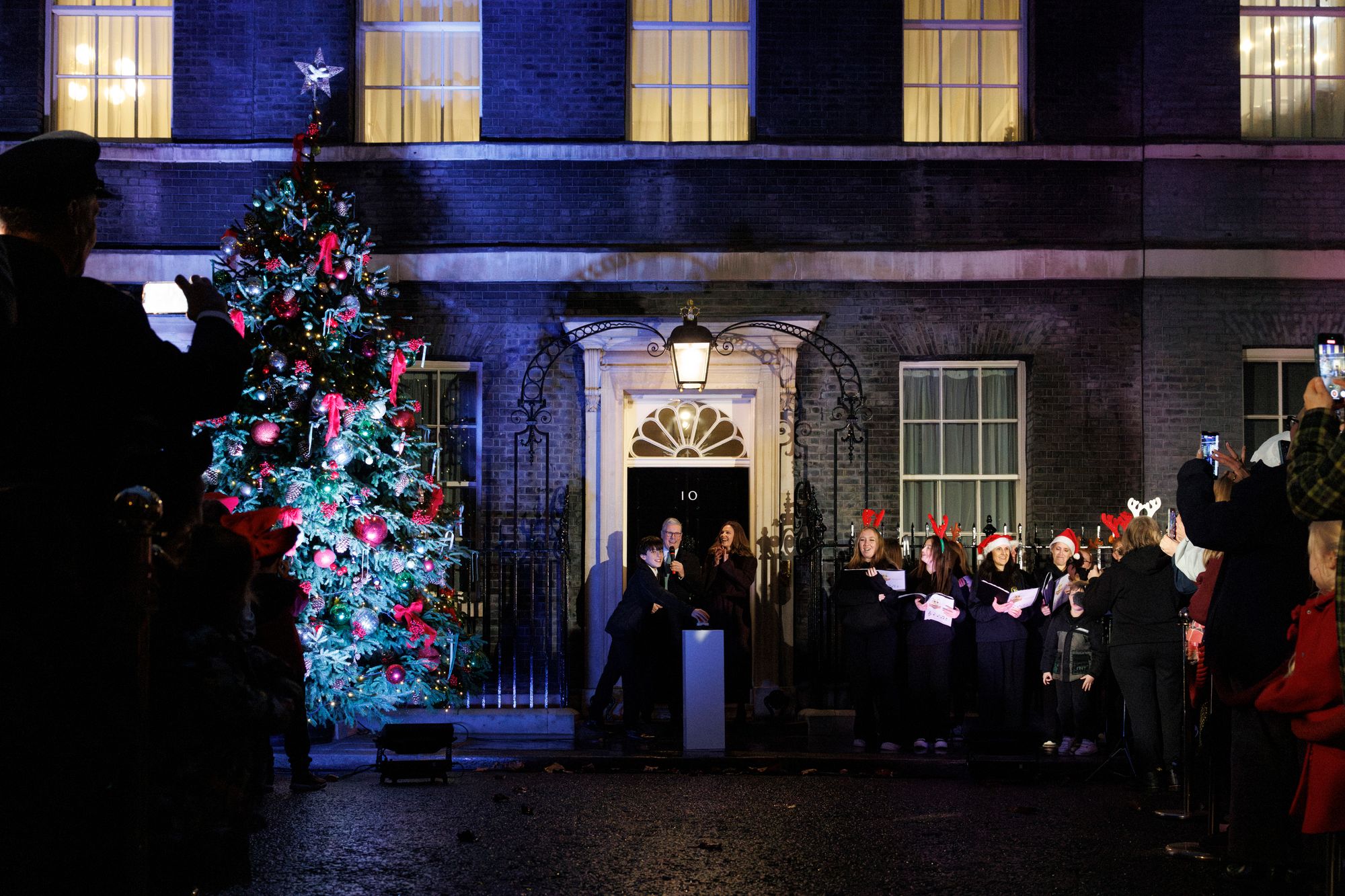
It’s that time of year when most of my clergy don’t want to talk to me. We haven’t fallen out, it’s just their diaries are packed with carol services, nativity plays, concerts, crib blessings and celebrations. Meanwhile, in churches, schools, town squares, care homes and shopping centres, people are gathering to share a moment of light during the longest nights of winter.
It is a precious time of year. And in the times in which we’re living, the simple but powerful Christmas message, sung by the angels, of peace on Earth, goodwill to all, could scarcely seem more urgent.
Yet each year, we see a rather strange tradition: familiar claims that somewhere, someone is trying to “ban” Christmas.
I’m sure you know the kind of thing I’m talking about: anything from markets or trees to pastries and chocolates or the words of traditional songs, even carols. We’ve seen a few such tales this year already.
Christmas, we’re told, is being rebranded, erased even – or, more specifically, the Christ part. And, they imply, it is all part of the same thing: an unease with or outright hostility to our great British festive traditions; an attack on our culture itself.
The message is loud and clear: we all apparently have to get very angry.
If you’ve felt a flicker of unease reading those stories, that’s understandable, but it’s worth noticing what they are built to do. Whether exaggerated, distorted, or occasionally fabricated, they are designed to make us quick to anger and slow to think.
Outrage travels fast online; it is profitable for clicks and can be weaponised for political agendas – sometimes even international political agendas – but it corrodes our common life.
These stories don’t just appear out of nowhere. There seem to be people scouring the internet and going through the websites of shops, councils, schools and universities or local news sites in search of something, anything, to show that Christmas is supposedly being taken away.
When you look closer – or sometimes even when you scroll past the first few paragraphs – it soon becomes clear that the central claim is just not true. Some, especially online, are entirely fake; at other times, the facts have been distorted beyond all credibility. Of course, these stories can travel around the world faster than most people can check them.
And while they focus on something different each time, at heart it’s usually the same tale: that some “other” out there wants to erase the traditional idea of Christmas. Sometimes it is said to be a shadowy yet somehow ubiquitous “woke” elite; sometimes minorities, and often people of other faiths.
The people behind these stories are not doing this to share the message of Christmas – of joy and love – but to spread division.
And, for all the talk of defending the Christian essence of Christmas, they are doing the very opposite: reducing the majesty and mystery of the birth of Jesus, God coming to live among us, to silly stories about the labelling of consumer products.
It is no coincidence that this year’s Oxford English Dictionary word of the year is “rage bait”, which it defines as “online content deliberately designed to elicit anger”.
Of course, spreading anger and division can be a year-round pursuit. But there is something especially offensive about appropriating this great Christian festival of light triumphing over darkness as a prop in a dim culture war.
Instead, we need to look higher.
Christmas is one moment in the year when, even in our more secular society, the powerful message of love, of God coming and living among us as one of us, cuts through. So, let’s look up towards the angels proclaiming peace on Earth and goodwill to all, rather than scroll down in the comments. Maybe we might have a Christmas ceasefire in the battles which threaten to tear us apart. And maybe it could last beyond Christmas by reminding us as a society what it means to come together.
Join our commenting forum
Join thought-provoking conversations, follow other Independent readers and see their replies
Comments
Bookmark popover
Removed from bookmarks