Diversity isn’t ‘woke’, Sarah Pochin, it’s good for business
Even Nigel Farage has distanced himself from his Reform UK colleague’s ‘ugly’ comments about Black and Asian people – and those of us who can remember the bad old days of the Eighties and Nineties know all too well that inclusivity works, says Clive Morgan


When Reform MP Sarah Pochin declared that adverts “full of Black people, full of Asian people” were not reflective of society, she tapped into that familiar chorus: that diversity in advertising is not representative and imposed by the “woke liberati”.
But the Runcorn and Helsby MP’s racist – or “phrased poorly” – comments misunderstand both the purpose of advertising and the economic reality that drives it. Even Nigel Farage, her party leader, distanced himself – calling Pochin’s comments “wrong and ugly”. What we see on TV is not a census. It is not a mirror of Britain’s demographic breakdown. It is aspirational, symbolic and designed to connect the product emotionally with audiences.
Car adverts don’t show traffic jams, they show the open road and freedom; beauty and fashion ads present flawless models, not the insecurities they can fuel. They sell possibility, not mundanity. And in today’s Britain, possibility looks diverse.
For many of us who grew up in the Eighties and Nineties, that wasn’t the case. People of colour in adverts were rare, and when they did appear, it was often as background figures or clichés – the grinning sidekick, the exotic extra, the comic relief.
In fact, two adverts spring to mind: Kia-Ora (based on blackface) or the Um Bongo, which was banned due to its reference to "bongo bongo land" (or a stereotypical reference to Africa and its “uncivilised” people). Even Yorkie chocolate bars were “not for girls” from 2002 until 2011.
Seeing someone who looked like you in a glossy campaign was almost unheard of. That absence sent a message too: that belonging, beauty and aspiration were reserved for others. Today’s inclusive adverts are correcting that imbalance, and that progress should be celebrated, not mocked.
Companies do not cast adverts randomly. Every face on screen is the product of research, focus groups, and consumer testing. If diverse adverts were truly alienating the public, they would not survive the brutal logic of the marketplace. Instead, the evidence points the other way – inclusivity works.
Studies consistently show that younger generations – millennials and Gen Z – respond positively to diverse campaigns. They are more likely to buy from brands that reflect the world they live in – one where multiculturalism is not an exception but the norm. For them, seeing Black, Asian and mixed-heritage people in adverts is not “jarring”; it is reassuring. It signals that the brand understands their lives, their friends and their communities.
The risks of ignoring diversity are considerable. A brand that fails to represent its customers risks irrelevance. In our multicultural society, exclusion is not just morally questionable – it is commercially reckless. Alienating large swathes of the population, whether by omission or by clinging to outdated stereotypes, damages reputation and erodes trust.
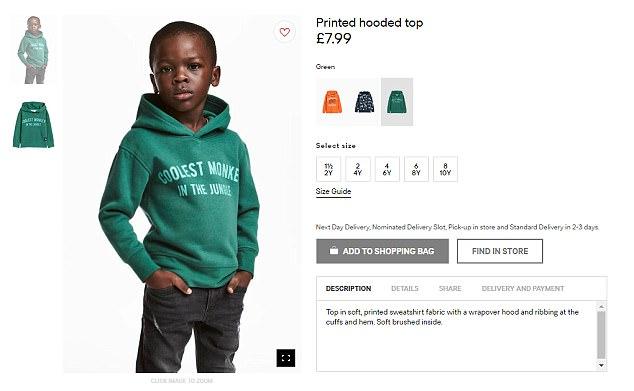
We have seen this play out repeatedly. Brands that stumble into tone-deaf campaigns – whether by erasing minorities or caricaturing them – face swift backlash, boycotts, and reputational damage. Who can forget H&M’s advert featuring a black boy wearing a green hoodie with the slogan “Coolest Monkey in the Jungle” across it?
In contrast, those that embrace inclusivity often reap the rewards of loyalty and goodwill. Representation is not a “woke” or charitable gesture; it is a business strategy.
But this is not a new debate. In the Eighties and Nineties, Benetton launched a series of adverts that shocked the world. Under the direction of photographer Oliviero Toscani, the brand placed multiracial models side by side under the slogan “United Colors of Benetton”. Later campaigns tackled Aids, war and racism head-on. The outrage was immediate – critics accused Benetton of being provocative, exploitative, even unpatriotic.
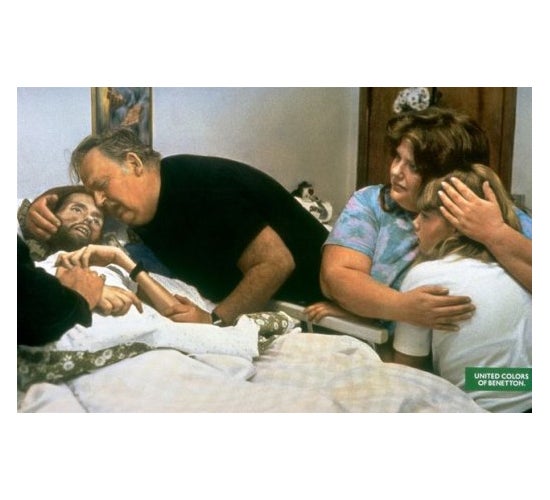
And yet, the campaigns worked. Benetton became a household name, with its logo etched into public consciousness. The controversy did not sink the brand – it amplified it. By daring to reflect a more diverse and complicated world, Benetton captured attention, loyalty, and market share. The lesson is clear – representation may provoke discomfort among some, but it also drives recognition and growth.
The numbers don’t lie. Research confirms what Benetton worked out decades ago. A study led by Oxford’s Saïd Business School found that inclusive advertising measurably boosts sales and brand value, with campaigns that authentically portray diversity outperforming those that do not.
Unilever, one of the world’s largest advertisers, has put this into practice. Its inclusive campaigns for brands like Dove and Lux have not only won awards but also delivered results – Unilever reports that its “Unstereotype” advertising approach has helped drive brand preference and growth across multiple markets.
Meanwhile, consumer surveys show that 52 per cent of people say they trust a brand more if its adverts reflect their culture. In an era where trust is the most valuable currency, that is not a statistic any serious company can afford to ignore.
The truth is that diversity is not a passing trend. It is a permanent feature of successful branding. Companies that embrace it are not pandering to political correctness; they are responding to consumer demand and future-proofing their businesses. Those who resist are not defending tradition – they are clinging to a shrinking market.
Britain is a diverse, global nation. Our adverts should reflect that – not because it is politically convenient, but because it is commercially smart.

Maybe Ms Pochin would prefer more adverts like the ill-advised Heineken one from 2018 – “Sometimes, Lighter is Better”, in which a barman slides a bottle past several dark-skinned people until it reaches a lighter-skinned woman.
She would be wise to remember: diversity sells. And in the unforgiving world of advertising, that is the only metric that truly matters.
Join our commenting forum
Join thought-provoking conversations, follow other Independent readers and see their replies
Comments
Bookmark popover
Removed from bookmarks