For years, I was bullied at school – only my teacher’s intervention saved me
As a child, I was called lazy and disruptive – and the playground teasing about being dyslexic and having ADHD nearly broke me. This Anti-Bullying Week, I want to make sure no child goes through what I did, writes Adam Dance MP


At school, I wasn’t called “dyslexic” – I was called “lazy”. Teachers said I wasn’t concentrating. I was told I was a distraction, sent out of class, or left to struggle alone.
I can still picture myself sitting at my desk, the letters swimming on the page, my stomach twisting with fear as I waited to be asked to read aloud. My heart would pound, my hands would shake, and I’d pray the teacher would move on.
I was trying my hardest, but no one saw that. I couldn’t read or write like the others, and that made me a target. I was one of the lucky ones – eventually, I received a dyslexia diagnosis in primary school – but in some ways, that made things worse. Few teachers understood what dyslexia meant, and even fewer pupils did. To them, it was just another word for “stupid”.
The jibes and teasing went on for years. It wasn’t one big moment that hurt the most, but the constant drip of shame, laughter and exclusion that chipped away at me. When classmates laughed every time I stumbled over a word, I started to think I wasn’t clever, that I didn’t belong, and that I’d never achieve anything.
It wasn’t just the other pupils. A lack of understanding from some teachers made everything harder. I remember one, in front of the whole class, jeering: “Go outside, it’s time for your tablets” – a cruel dig at the support I was receiving for ADHD. Everyone laughed, and I wanted the floor to swallow me whole. That moment – the heat in my face, the sound of laughter around me – has stayed with me ever since.
By my teens, I had stopped believing in myself. I thought I was stupid, that there was no point in trying. Looking back, I can see how close I came to giving up on education completely.
If I hadn’t received support later on, I don’t think I’d be where I am today. I might have ended up in prison or taken my own life – like too many others who never get the help they need. Research suggests that around half of people in prison may have dyslexia, compared with one in 10 in the general population. That tells us everything about how badly the system is failing these children.
The only reason I turned things around was because one person believed in me – one of my secondary school teachers.
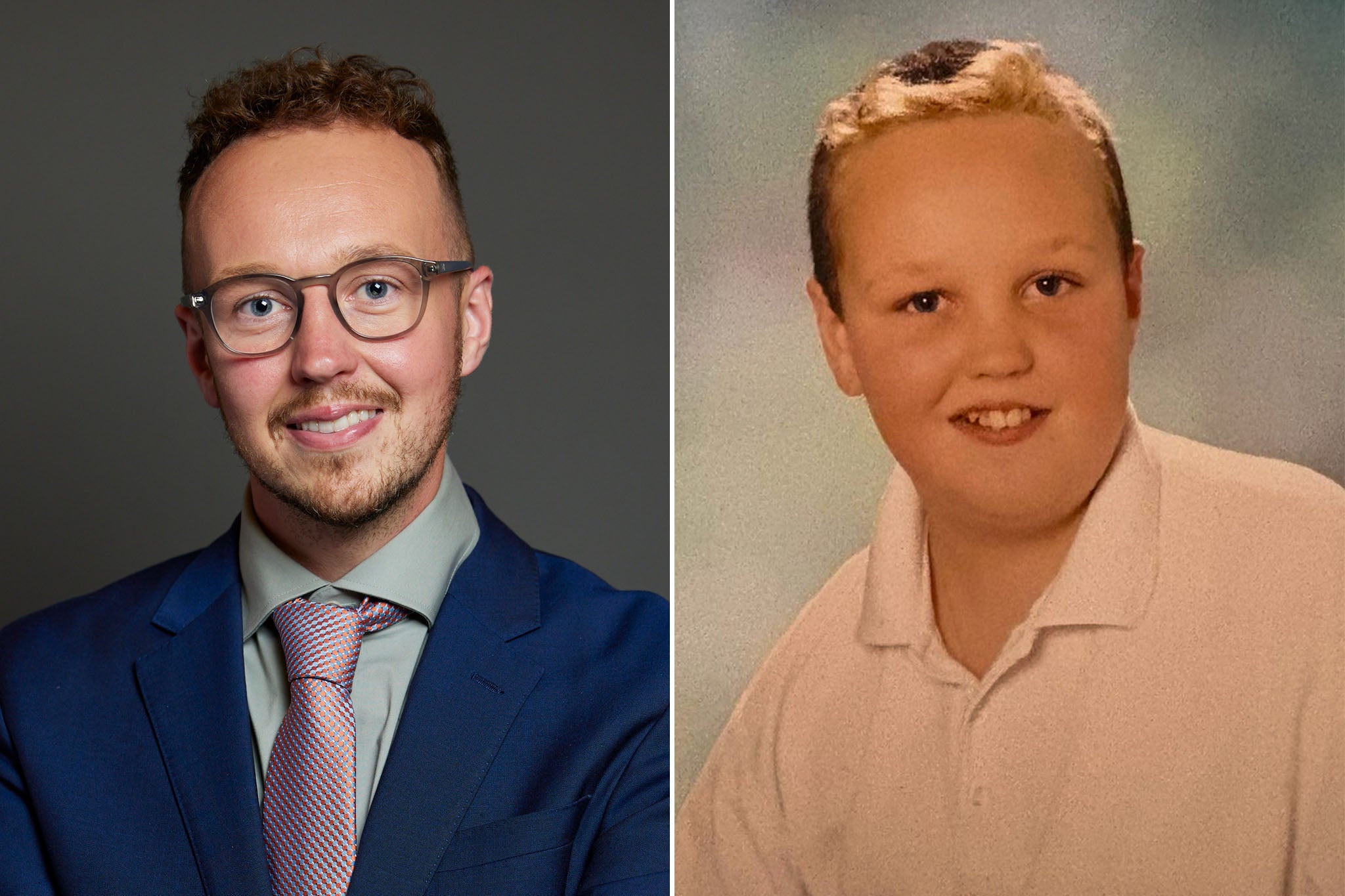
She didn’t see a problem child – she saw a child who needed patience and understanding. She slowed things down, explained them differently, and made me feel seen. Her kindness was my lifeline – and, incredibly, she now works with me in parliament as my personal assistant.
This Anti-Bullying Week, I’ve been thinking about how many children are still going through what I did. A new report from the British Dyslexia Association paints a bleak picture. Seven in 10 young people say dyslexia has made them feel bad about themselves, and six in 10 hide it for fear of being judged. The same number have been teased or bullied because of it. Almost one in five pupils still lack access to assistive technology at school, even though simple tools like word processors, text-to-speech software, audiobooks or coloured overlays (physical or digital) can make a huge difference for dyslexic children.
For many neurodivergent pupils, technology such as language and communication apps on tablets or mobile devices can also transform how they learn and take part in school life.
These aren’t just statistics – they’re children in classrooms right now, feeling the same shame, frustration and loneliness that I once felt.
That’s why I’ve introduced a Ten-Minute Rule Bill in Parliament calling for universal screening for neurodivergent traits in primary schools, and mandatory teacher training on dyslexia and neurodivergent conditions. It’s not about labelling children – it’s about giving teachers the skills and confidence to support every child from the start.
Early identification can stop bullying before it starts. When teachers understand why a child might be struggling, they can adapt lessons and prevent the frustration and embarrassment that often lead to bullying. When pupils learn to value each other’s differences, shame is replaced with empathy.
It’s also about fairness. The same report found that nine in 10 children from families earning over £100,000 have a formal diagnosis, compared with just four in 10 from families earning under £30,000. No child’s future should depend on their parents’ income or postcode.
This Anti-Bullying Week, I want to remind every child who learns differently that they are not alone – and they are not broken. With the right understanding and support, every child can thrive.
Let’s make this the generation that finally ends the shame and misunderstanding around dyslexia – and the bullying that too often comes with it.
Adam Dance MP is the Liberal Democrat MP for Yeovil. Anti-Bullying Week 2025 runs from 10 to 14 November
Join our commenting forum
Join thought-provoking conversations, follow other Independent readers and see their replies
Comments
Bookmark popover
Removed from bookmarks