There’s a new generation of MPs in parliament ready to shake up the business of government
Some 140 new MPs were elected on 12 December and their presence will change the mood and political temper of Westminster in ways which go well beyond their party labels

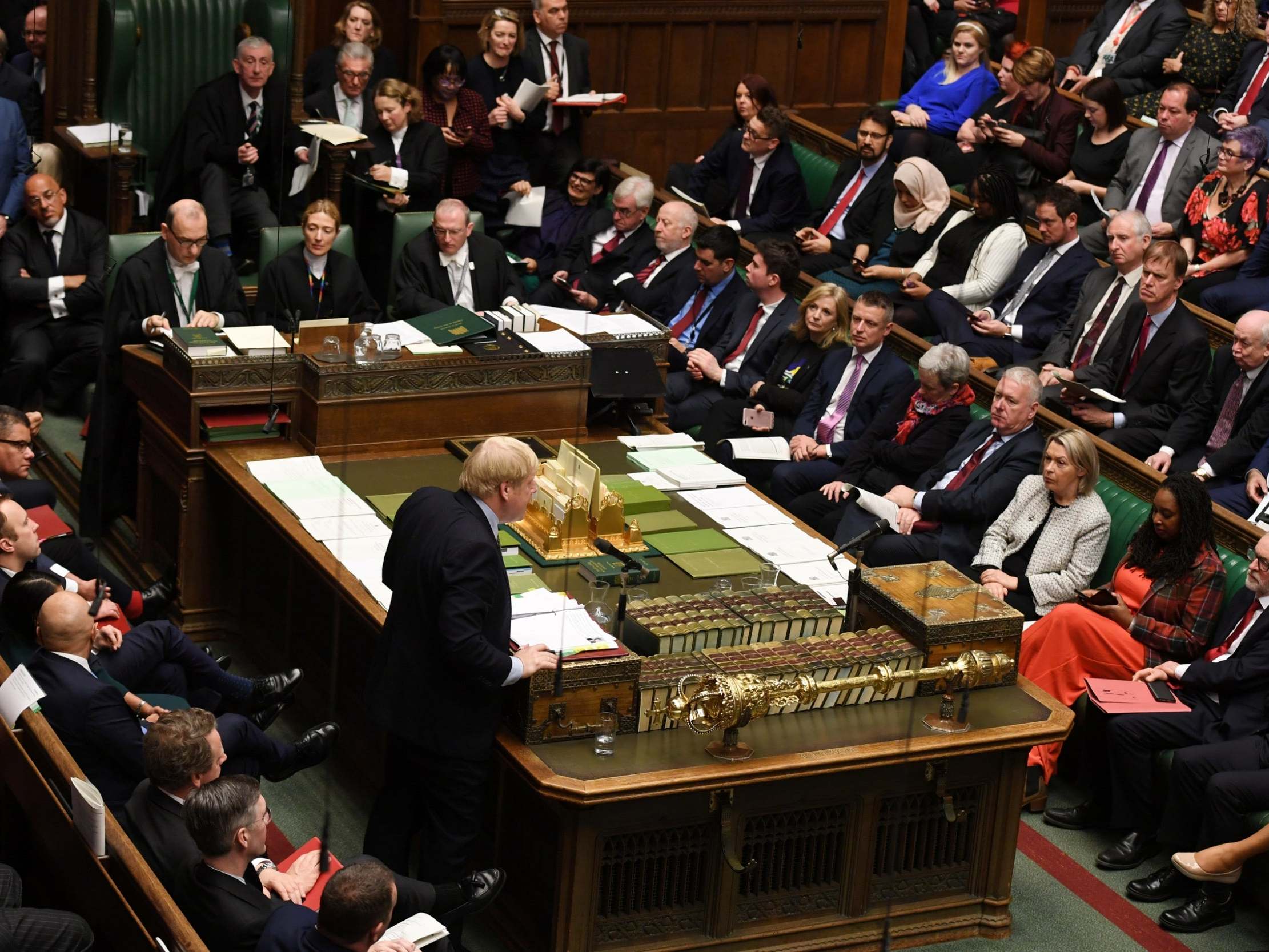
The biggest impact of a general election, of course, comes from deciding who will form the new government, and for most voters that is the only issue that matters – Tories in, Labour out, forget about it for the next five years. But at Westminster, another big change is the arrival of a whole new generation of MPs.
Some 140 new MPs were elected on 12 December – as well as 15 who returned after losing their seats at a previous election – making them almost a quarter of the House of Commons, and their presence will change the mood and political temper of parliament in ways which go well beyond their party labels.
Westminster was changed irrevocably by the arrival of a sizeable cohort of women in 1997 and ethnic minority MPs in 2015 – though both are still grossly under-represented compared to the population at large – and by the SNP’s near clean sweep of Scottish seats which made them the official third party five years ago.
The new intake is relatively large by recent standards – there were 87 newbies in 2017 – and already they are starting to have an influence on the way Westminster operates.
In large part, this is down to a dramatic shift in the social and regional background of the Conservative contingent, thanks to Boris Johnson’s successful assault on the so-called Labour red wall in the midlands and north.
The parliamentary lobby held a getting-to-know-you reception for new MPs in a Westminster bar on Wednesday, and – amid the exchanges of business cards and mobile numbers which such events are designed for – there was a lot to learn about how the 2019 parliament will pan out.
Firstly, and most obviously, almost all of the MPs present were Conservatives, and Conservatives confident that their party will have a secure grip on power which will allow it to get a lot done over the next few years.
But they didn’t fit the traditional Tory mould of tweed-clad country squires or pin-striped bankers and PR merchants from London and the south.
There were more regional accents than the Tory benches have previously mustered, and the MPs I spoke to included small businessmen, journalists, a computer coder and even a former civil servant.
And what they wanted to talk about wasn’t tax cuts or Brexit (though I’m sure they all have opinions on these) but infrastructure.
We need houses, they said. We need roads and rail lines and bus services and broadband and we need the town centre sorting out and the hospital refurbishing and new schools built.
And they want it done quickly, because they know all too well that voters in these northern and midlands towns who decided to give the Tories a go will be all too ready to switch back to their traditional allegiances in 2024 if they get nothing in return.
They are already forming caucuses and lobbying groups and informal alliances to make sure that their region gets a share of the borrowing-fuelled “levelling up” which Mr Johnson appears to be planning.
So if the PM feels tempted to backslide on his election pledges to share the nation’s wealth a bit more fairly around the country, the evidence of my grabbed conversations over a glass of Commons wine suggests he’ll have a long line of new MPs knocking at his door to tell him to think again.
Yours,
Andrew Woodcock
Political Editor
Join our commenting forum
Join thought-provoking conversations, follow other Independent readers and see their replies
Comments
Bookmark popover
Removed from bookmarks