Why is Gen Z so obsessed with the ‘almost relationship’?
TV series ‘The New Years’ details a phenomenon that seems to chime with those who are relationship-avoidant, says Olivia Petter

Nothing is as romantic as a relationship that never quite happened. Preserved in possibility, it’s a near-miss dynamic that exists in an exclusively liminal space; you’re not quite together, but there’s enough evidence to suggest that one day, were all the stars to suddenly align, you might be. And so you cling on, wondering, waiting, hoping.
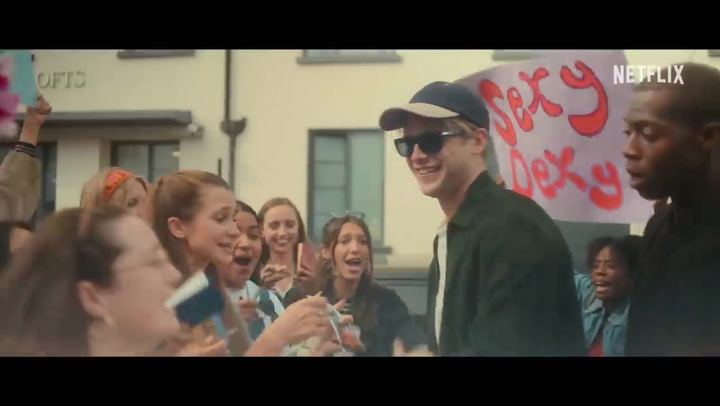
Introducing the “almost relationship”, a dynamic that has captured pop culture (Normal People), literature (Wuthering Heights) and delusionally romantic people (hello) for centuries. To be clear, this is not the same thing as a situationship. Modern dating is complicated enough for that to be a separate problem entirely, one characterised by a romantic relationship with a distinct absence of labels or commitment, as well as a maddening lack of clarity. It’s terrible, but it’s also different.
The almost relationship is one that exists almost entirely in your imagination. Maybe you’ve hooked up once or twice, and for a brief moment in time, something tangible was on the cards. But then life got in the way: perhaps an ex resurfaced, or one of you wasn’t quite sure. Perhaps there was a work crisis, or a poorly relative who required all of your attention.
Whatever it was, the relationship never quite came to fruition. It was, metaphorically speaking, a flame that had not yet been allowed to burn. But somehow, something somewhere keeps trying to spark it up again. A gentle flirt here, a lingering stare there. And so the possibility of reignition is maintained, occasionally for agonisingly too long.
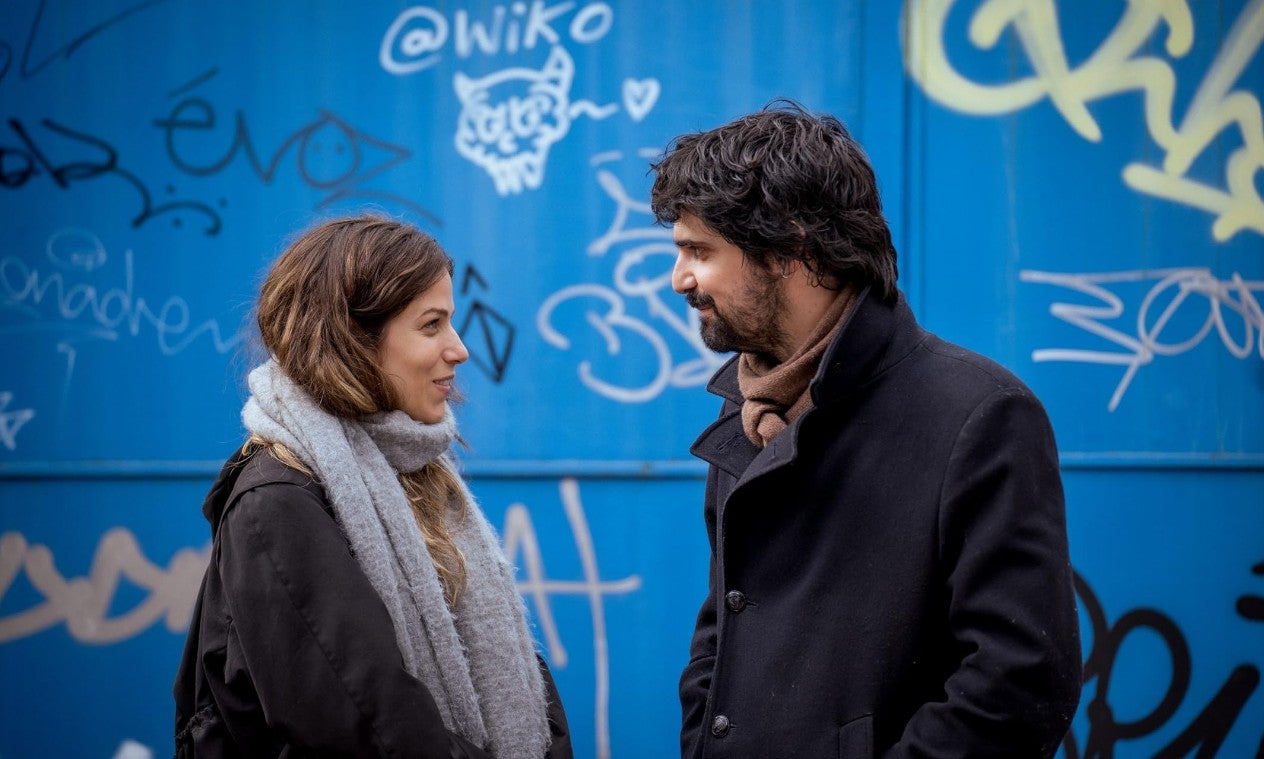
This is the premise for a new TV series on Mubi called The New Years (Los años nuevos), a Spanish drama about two people who meet for the first time on the night they turn 30, which happens to be New Year’s Eve. Ana and Oscar have an unexpectedly romantic night together, and the rest of the series follows them through 10 subsequent New Year’s Eves, charting how their relationship ebbs and flows over the years.
As soon as I watched the first episode, I was hooked. It’s no wonder so many of my favourite books and films often sit in this genre: Before Sunset, One Day, Past Lives. I’m not sure what it is about this dynamic that is so timelessly captivating. For obvious reasons, it’s hardly the healthiest relationship to yearn for. But maybe that’s just it: the yearning is what keeps us hooked. Because there is no real beginning or ending to an almost relationship, there’s just a lot of longing. And as self-destructive as it might be, there’s something delicious about being in that state.
I’m convinced that’s the reason why I ended up in so many unhealthy relationship dynamics throughout my 20s, pining after people I’d kissed once or twice and convincing myself they were my soulmate because it suited the story I’d written in my head. There’s a safety in the almost relationship, too: an almost boyfriend can’t hurt, dump, or cheat on you. And so perhaps there’s an element of avoidance at play here, too. By leaning into almost relationships, you miss out on anything real. That includes love. But, of course, it also includes pain.
I haven’t finished The New Years yet, so I’m not sure if Ana and Oscar end up together. A part of me hopes that they do, because isn’t that always what we want from an almost relationship? But another, more grown up part, hopes that they don’t. Because it would free them from whatever emotional shackles have weakly bound them together for a decade and, in all likelihood, prevented them from really being with anyone else in a meaningful way.
Besides, as the cynic in me would argue, the almost relationship is surely, in the end, just a sign of incompatibility. Because if two people are really meant to be together, nothing should stop them.
Join our commenting forum
Join thought-provoking conversations, follow other Independent readers and see their replies
Comments
Bookmark popover
Removed from bookmarks