I agree with Lenny Henry – Black Britons deserve reparations
If the Georgians could find the money to compensate slave-owners after abolition, modern Britain can pay out £18 trillion to the descendants of those who actually did the work, says Ava Vidal


What Lenny Henry has done is extremely brave. He could have gone to his grave preserving his cheeky and affable reputation as the nation’s favourite Black comedian from the Black Country, the family-friendly funny-guy who helped launch Comic Relief…
Instead, he has written a book, The Big Payback: The Case for Reparations for Slavery and How They Would Work (Faber & Faber), in which he makes the case for paying out an estimated £18 trillion between every Black person in Britain, in slavery reparations. And it’s causing a stink.
Over the years, we’ve heard his stories about his run-ins with racists – how, growing up in Dudley, he got hate mail from the National Front, and later had dog excrement posted through his letterbox for being in a mixed-race relationship with Dawn French.
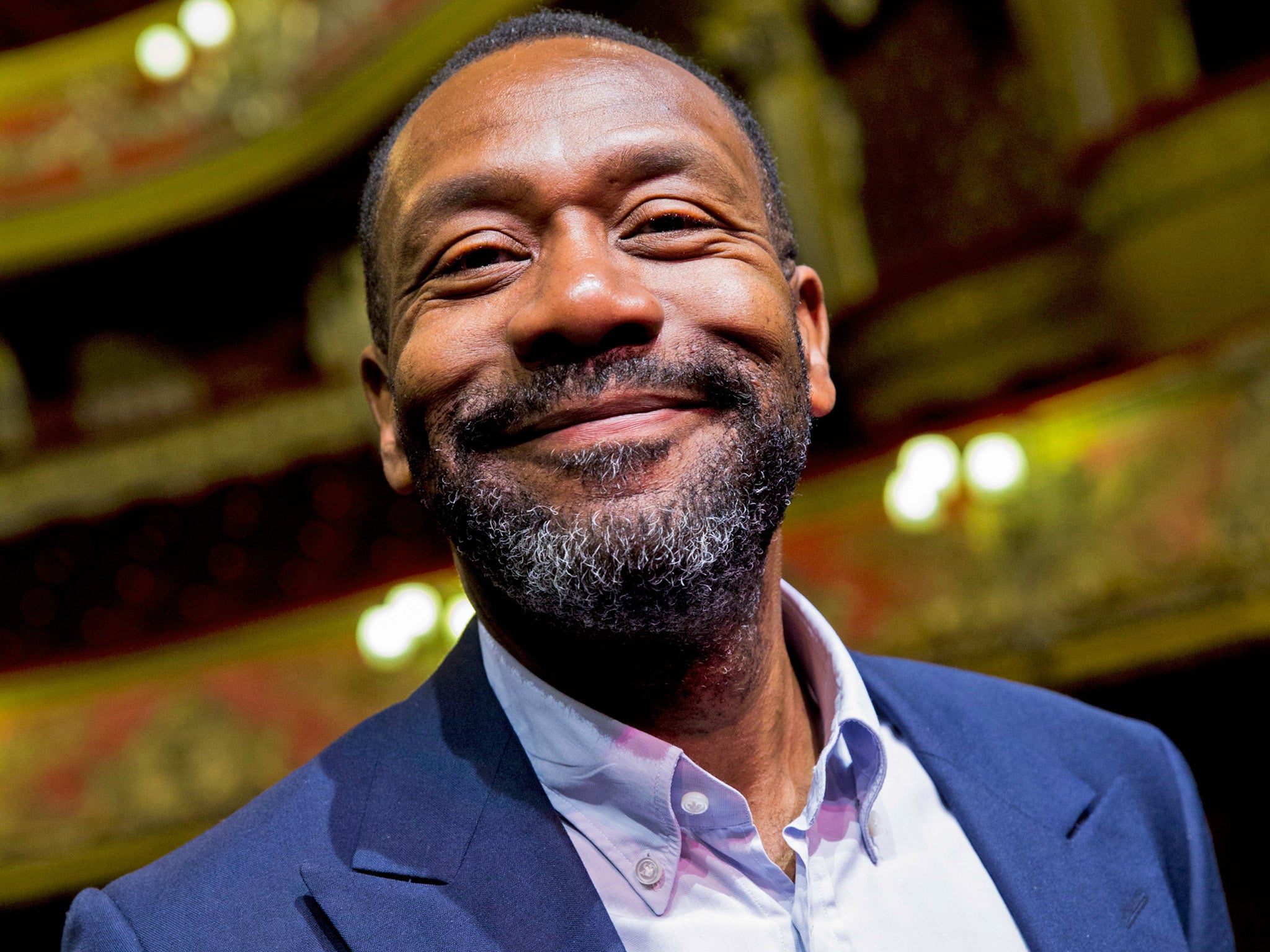
Such clearly racist behaviour is easy for most people to call out. Most people would never dream of calling someone the n-word – not to their face, at least – and the idea of picking up a dog’s doings and depositing them into the letterbox of a Black family is just as unimaginable.
Henry’s latest conversation is more nuanced – divisive, even. He wants us to discuss structural, institutional and indirect racism in Britain, which he says is harder to identify and much more widespread. But the reason people don’t like discussing it is that it involves calling out behaviours that, on the surface, may not have ill intent behind them – such as the manager who dismisses CVs because he/she doesn’t want to embarrass a candidate by not being able to pronounce their four-syllable Yoruba name.
Discussing structural, institutional and indirect racism means asking why so many are comfortable with the criminalisation of young Black people. It involves acknowledging that a friend at work isn’t just “one of the good ones”, but typical of most Black people who have the same hope, dreams and desire to live a peaceful life.
I am not being patronising when I call Henry brave. Whenever the topic of reparations is raised, scorn and ridicule are rarely far behind. How would it work? Should people of mixed race only get half the money? And why are Black people such perpetual victims?
Then come the comparisons, such as with East Asian and Jewish people: “They are all successful and don’t make excuses. Why can’t you lot pull yourselves up in the same way?”
Yet both of these communities have benefited from reparation programmes. After the Second World War, West Germany paid billions to individual survivors of the Holocaust and the state of Israel. And Britain has done so before, paying out compensation to Kenyans tortured during the Mau Mau uprising.
In 2023, the UN judge Patrick Robinson reported that Britain should pay at least £18 trillion for its role in transatlantic slavery. “Once a state has committed a wrongful act, it’s obliged to pay reparations,” he said. He should know: Robinson presided over the trial of the war criminal Slobodan Milosevic, the former Yugoslav president.
Rachel Reeves has said that paying reparations to Black Britons would bankrupt the UK. Well, no one is saying it has to be paid as a lump sum. Everyone involved has acknowledged that this could take years. It was 2015 before British taxpayers paid off the government loan taken out to compensate the 3,000 slave-owning families for the loss of their human property after slavery’s abolition throughout the empire in 1833.
As for those Georgian slave-owners, their descendants enjoy that wealth to this day. It makes no sense, morally or legally, to have compensated them, and not the descendants of the slaves who did the work and endured such harsh treatment.
Far from being the worst time to raise this subject – because racial tensions in the UK are so high – it is probably the best. Our house is shaky because its foundations are built on sand. The discussion needs to be had now, and not just about money, either. It is an acknowledgement of that dark period in history. It is an apology. It is admitting what slavery’s legacy has meant for Black people to this day.
The fact that a national treasure like Lenny Henry, someone who is regarded as a nice, non-confrontational Black person, can raise an admittedly contentious idea that is met with racist slurs, and be told to “go back to where he comes from” – where, to Dudley? – shows us that there is no right time to raise the subject of reparations.
We may as well do it now and endure the backlash. As the saying goes, when you’re used to privilege, equality feels like oppression.
Join our commenting forum
Join thought-provoking conversations, follow other Independent readers and see their replies
Comments
Bookmark popover
Removed from bookmarks