Mea Culpa: let us call a skip a skip and an issue a problem
Questions of style and usage in last week’s Independent

Our “Pictures of the Day” feature before Christmas included a dramatic photo of people in silhouette against red flames. The caption said: “Protesters set fire to dumpsters and tyres as they block a road in the southern Lebanese city of Sidon.” Mick O’Hare wrote to say that he had to check what a dumpster was. In Britain we call it a skip.
Weak word: In a couple of reports about the death of a man and two children in a swimming pool at a Spanish hotel, we said the hotel operator said it “had found no issues with the pool”. I assume “issues” was the language the hotel company used, but there is no reason for us to repeat it unless we are quoting directly. The hotel means “faults” or “problems”, so we should say that.
How many? We confused our irregular plurals in a review of tea bags last week. “Each teabag is unbleached (hence its more earthy colour), organic, fairtrade, plastic free and non GM,” we said. “It was the world’s first pillow-shaped bag to meet this criteria and was launched in 2018.” Thanks to Philip Nalpanis for pointing out that we meant “these criteria”.
People often use “criteria” as a singular noun, although it sounds cleverer to use “criterion” – a bit of unnecessary Greek, if you ask me – but here we meant the plural.
I also think tea bag is two words.
Wide and well connected: In a comment article about the implications of our new, majority government for foreign and defence policy, we said “there is a broad consensus for the need for a more joined-up, comprehensive policy” towards new threats such as cyberwarfare, international terrorism and the use of propaganda. This sentence contained too many words. A consensus is broad, by definition, and if a policy is comprehensive, the implication is that it is “joined up” – a phrase which is, in any case, a fashionable piece of jargon that can always be deleted.
Shots fired: We used “salvo” three times last week. That is a reasonable number of times to reach for the metaphor of the simultaneous discharge of artillery (from the Italian salva, salutation, greeting). For some reason, however, the metaphor has become so hackneyed that only one kind of salvo is now allowed in English, and that is the first one.
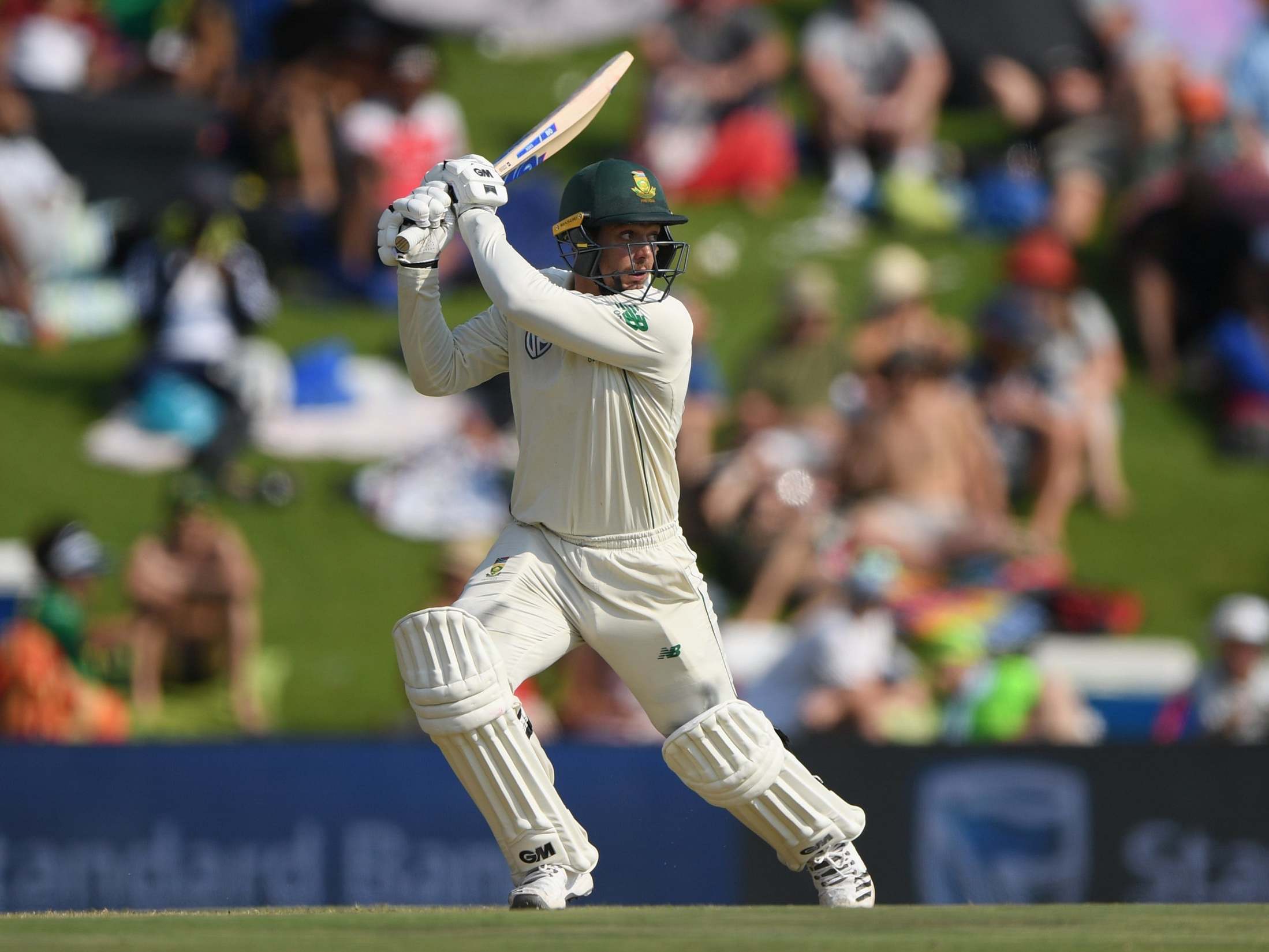
Hence we referred to Quinton de Kock’s “opening salvo” in a cricket match; a press conference “intended as the first salvo in an open-ended charm offensive”; and the first lyrics of a song on the new album by The Who as “its opening salvo”.
We should award a journalism prize to the first person to write about a “closing salvo”.
Join our commenting forum
Join thought-provoking conversations, follow other Independent readers and see their replies
Comments
Bookmark popover
Removed from bookmarks