New year, same me: my resolution for 2026? Not to make any
Once a symbol of fresh starts and self-improvement, new year’s resolutions promise hope but often deliver guilt, says Zesha Saleem. After years of falling short, imperfect change seems to work far better than grand promises


I used to love New Year’s Day. It felt like the only opportunity to press reset, shake off my past self and hit the ground running with my new year’s resolutions. It was a time of self-improvement and ceremony, wrapped in a general feeling of intense hopefulness about what the new year would bring in.
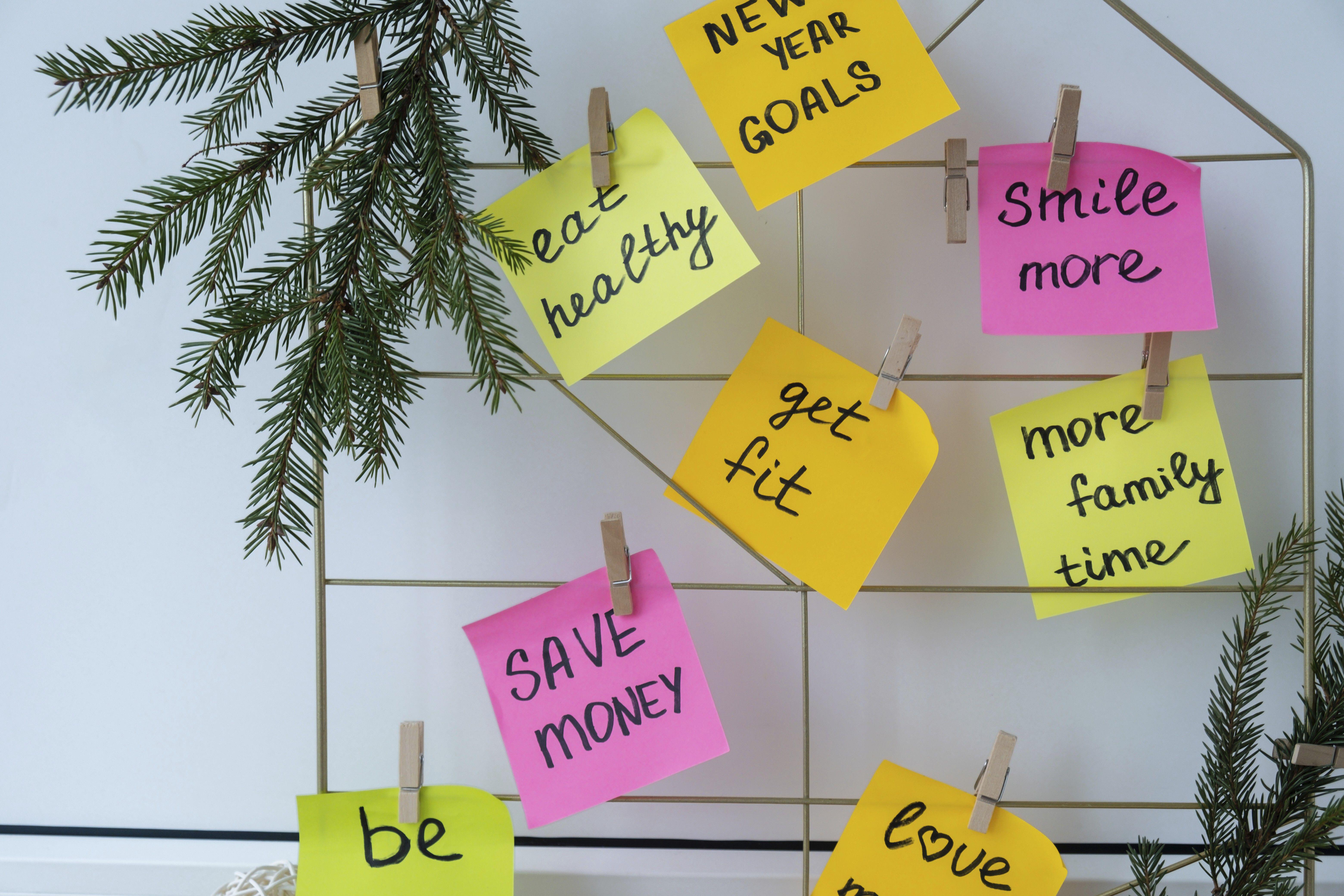
In the sluggish, aimless days between Christmas and New Year’s, I loved putting together brightly coloured vision boards, restocking my notebooks and creating long lists in the iPhone Notes app of all the things I wanted to change in the year ahead.
I always lost my steam by February. What a graveyard of unkept resolutions that month became. Just weeks after dramatically declaring that 2023 was going to be the year of no social media, I ended up downloading Instagram and using it more than ever – much to the amusement of my friends.
In 2024, I gave up Uber Eats, setting myself the sincere goal of no longer wasting money on it. By December, I was in the top one per cent of Uber Eats users in the UK – thanks for telling me that, Monzo Wrapped. Another year, I felt a strong urge to keep a diary, only to run out of things to write about by March that year. That unfinished notebook is still hidden at the bottom of my drawers.
There is only one resolution I’ve sincerely kept since writing it down: quitting biting my nails. As a former chronic nail-biter, I decided to stop at the start of 2023. It was so hard that I gave up in 2024. It was only in 2025 that I truly kicked the habit.
Now, I have just one resolution for 2026 – not to make any at all.
It turns out I’m not alone in falling out of love with this age-old tradition. Recent data from a survey of 2,000 people by SuperNutrio Milk suggests that up to 77 per cent of the British public believe new year’s resolutions are old-fashioned and outdated. Meanwhile, 58 per cent admit that a more moderate approach to the new year is needed, focusing on small, positive habits – rather than drastic changes we won’t stick to.
Resolutions might be useful if we actually keep to them. But they serve little purpose if we reach the end of the year staring down at everything we’ve given up on.
The shame of failing new year’s resolutions often overshadows any appreciation for the progress we’ve made. When I step back and free myself from the constraints of the calendar, I realise that despite breaking countless resolutions, I’ve generally turned my life around for the better.
I took a year out of university while on the cusp of burnout and developed an identity that went beyond being a medical student. I took my health seriously after dangerously low iron levels left me gasping for breath on the steps of a building in April 2021, and I rebuilt my diet and exercise routine. I didn’t have to wait for 1 January to come around to make those changes – so why should I now?
New year’s resolutions have also become heavy with peer pressure, self-criticism and the quiet feeling that we’re not living life correctly. In reality, we’re all a little worse for wear by the end of the year, but that doesn’t have to be a bad thing. In some ways, it’s a sign of a year well lived – a privilege many don’t experience.
Working in hospitals over the last few years has made me realise that simply surviving a whole year fit and healthy is an achievement in itself, and one we should all celebrate.
Life doesn’t suddenly reset on 1 January. As mental health expert Noel McDermott told this paper, “resolutions are for life, not just for new year.”
He said: “The growth in health and wellbeing cultures means people are learning that sustainable lifestyle changes are the key to health and happiness. The gimmick of a new year’s resolution is becoming less appealing.”
Alexa Knight, director of policy and influence at the Mental Health Foundation, echoed this sentiment: “The start of a new year can feel like a natural time to reflect, but there’s no rule that says changes have to happen in January. Positive steps for your wellbeing can be made at any time of year, and small, achievable goals often work best.”
So no, I don’t love new year’s resolutions any more, and it’s unlikely I’ll make another one, only to give up on it weeks later. Instead, I’ve learned to love a quieter, more unassuming kind of change – the sort that happens on a random Thursday in May, when no one is watching and there’s no pressure from a colour-coded vision board.
These are the goals that don’t look impressive but slowly stick – like quitting a nail-biting habit after years of broken promises. In 2026, perhaps I’ll let myself fail as many times as it takes until a habit becomes a natural part of my life – like having nicer fingernails now.
Join our commenting forum
Join thought-provoking conversations, follow other Independent readers and see their replies
Comments
Bookmark popover
Removed from bookmarks