I’m a speech and language therapist: If your child starts school unable to talk, it may not be what you think
A post-pandemic over-reliance on screens instead of playtime activities that develop children’s language skills is causing a huge rise in non-verbalism, writes speech and language therapist Shermeena Rabbi


When Aiden*, a three-year-old boy, was brought into my clinic unable to speak beyond “Mummy”, his parents proudly told me how intelligent he was: “He can click into apps on the iPad to watch his favourite shows, but there's just no language”.
Aiden communicated with sounds and gestures, pulling on his mum’s arm to make his needs known. Children can usually say a range of simple words by 12 months, so to have such limited language at the age of three is cause for alarm.
As we did a detailed assessment, we soon discovered this boy wasn’t autistic, as is often suspected in these cases. It turned out that instead of playtime, nursery rhymes, and face-to-face conversation with his parents, Aiden had largely spent his life looking at screens. The new parenting approach is digital, and it’s having a serious impact.
I’ve been a speech and language therapist for 13 years and these cases used to be a rarity, but now child after child who comes through the door of my inner London clinic is non-verbal or speaking in single words only – and these are often children aged three or four. We treat all forms of speech and language issues, including those caused by autism, but since the Covid pandemic, 50 per cent of cases among pre-schoolers are now caused by an over-reliance on screens.
According to a YouGov survey in March this year, 44 per cent of primary school teachers say up to one in five children struggle to communicate at the expected level for their age, and three-quarters of teachers believe parents are in denial about it. When the penny eventually drops for these parents that their children risk being disadvantaged at school and in society because of an unconscious and unintentional omission in their parenting, there is a deep sense of shame.
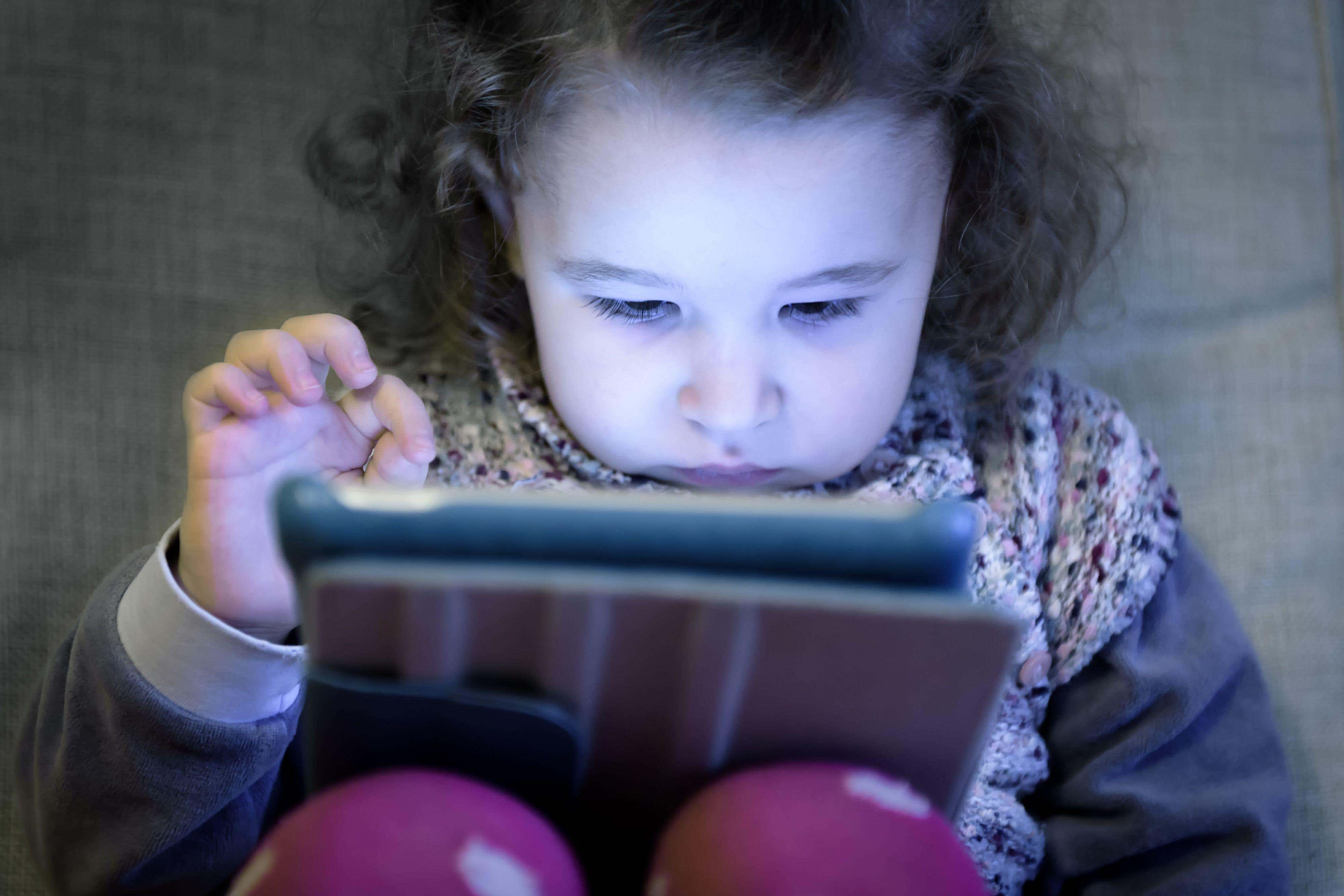
In their first three years, babies are sponges, and it’s crucial to expose them to social communication opportunities to develop their verbal skills. Playgroups are vital, as is make-believe play with kitchen or farm playsets, which help them to develop functional language. But this generation of tech-savvy mums and dads, themselves distracted by their own screens, don’t play and interact enough with their children.
As a parent of two young children, I know how hard it is to bring up a family alongside work and running a house. The need to work from home that started during Covid left many parents with no choice but to stick children in front of TVs and tablets. But if both parent and child have their noses constantly pressed against screens, we are losing precious opportunities to engage them in those little passing observations (“Look, the dog is wagging his tail”) that help children develop language.
The American Academy of Paediatrics recommends that screen time be very limited for children younger than two. This week, the Liberal Democrats advocated cigarette-style health warnings for children using social media apps to protect them from “addictive algorithms”. It’s not just their mental health that’s at stake – it’s their education, too.
Because of his inability to communicate or understand conversation, Aiden would throw tantrums. The fast-paced stimulation of digital entertainment had left him unable to pay attention in the normal everyday world. In language acquisition, the first step is attention, the second is listening and the third is play – for Aiden, this sequence wasn’t available to him. But with speech therapy and the introduction of imaginative play activities as well as regular interaction sessions with mum and dad, he is now thriving.
At school, children with limited communication skills either withdraw or act up. Poor communication skills are linked to poor mental health, and the child will always be playing catch-up. The message to new parents is clear. Put the phones and iPads away.
*Name has been changed
Shermeena Rabbi is the founder and CEO of Unlocking Language.
Join our commenting forum
Join thought-provoking conversations, follow other Independent readers and see their replies
Comments
Bookmark popover
Removed from bookmarks