The UK just had a surprise £30.4bn boost to its economy. Can it last?
A pleasant surprise in the government’s budget surplus will give the chancellor plenty to smile about, but the big question is whether she can keep the good news coming, says James Moore


We’ve become used to the state of the public finances ranging from dicey to straight-up awful. But there have been signs of improvement.
In January, the UK notched up a record government borrowing surplus in a boost for the chancellor. The £30.4bn surplus is the highest since records began in 1993, more than £6bn above the consensus forecast and roughly double last year’s number (itself a record). It is hard to fathom, given the climate of doom and gloom we’ve all become used to. But this was a big win for the beleaguered Rachel Reeves.
The figures do require a bit of context. The government nearly always runs a surplus in January. It is when a big chunk of self-assessment income tax is paid, for example. For this, and other reasons, if tax receipts fail to outstrip spending in the first month of the year, then Houston, we have a problem.
These monthly reports are also highly volatile. The forecasts are nearly always off, and by quite a bit. All of which begs the question: is it sustainable?
One of the things that makes these numbers hard to forecast is that they are the product of millions of decisions made by individual taxpayers.
This year saw a lot of speculation about a possible rise in capital gains tax. To avoid that, people may have opted to book their wins before the budget, and then pay their bills in January to avoid this, artificially boosting the receipts. That’s obviously a one-off which is (probably) not going to be repeated.
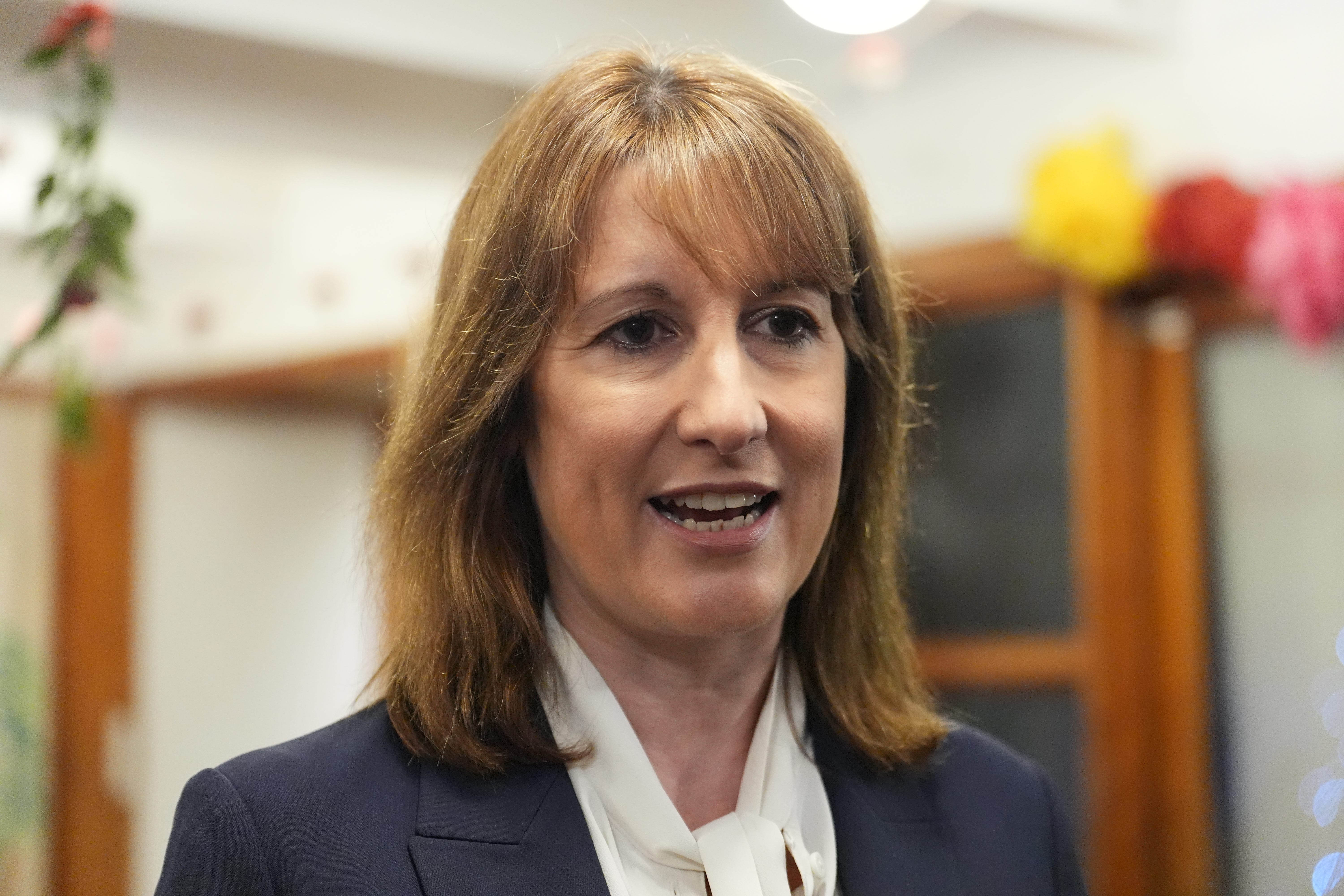
However, by the same token, it does look like the tax rises imposed by Reeves are having an impact. Income tax receipts have been undershooting forecasts for much of the financial year, which runs from April to April. Not this time. They beat expectations, and for the second month in a row, a sign that higher wages are having a beneficial impact. Reeves’s freezing of tax thresholds will further help the state’s finances. Pay rises over the next couple of years are going to drag more and more people into higher tax bands.
Another welcome Friday surprise came in the form of the official retail sales figures, by which I mean the ones supplied by the Office for National Statistics. They rose 1.8 per cent in January when compared to December. That was substantially ahead of the forecast of 0.2 per cent.
I’m inclined to be cautious. The economy is hardly going gangbusters. But these are signs that it might be finding a little fuel. If it is, Reeves will quietly point to proof of concept and tell us it’s all been worth it. If growth picks up, it might even help her, and especially her boss, save their jobs. And the public finances should continue to improve at the same time. Just as things stand, they are on course to beat the Office for Budget Responsibility’s forecast for the year.
But the economy could still use some help. The struggling labour market, in particular. One place that could come from is the Bank of England. If it were to cut interest rates at its next meeting, towards the end of next month, it would put more money in the pockets of borrowers, easing the burden on business as well as many consumers.
The latest inflation figures showed a welcome fall to 3 per cent from 3.4 per cent, still well ahead of the 2 per cent target, but there should be more good news to come. Reeves adroitly – don’t laugh now – froze some of the bills, which are apt to cause misery in April when they typically rise. Rail fares would be a good example. Misery month will be a bit less awful and inflationary this year. There’s your starter for 10. If the Bank’s rate-setting monetary policy committee (MPC) cuts rates next month and allows the economy to strengthen further, Reeves could be in line for a few more happy Fridays. If that is the case, she should consider easing the burdens she has placed on business and on workers.
That means reversing the increase in employer national insurance, which increased the cost of employing people and has resulted in rising unemployment. The best place to start? Raising the threshold at which the tax kicks in. Reducing that made it a lot more expensive for employers of people on relatively low wages – those who work in pubs, clubs, shops, music venues, and what have you. Many have closed.
These are places that often hire young people, giving them the start they need. Labour should be helping them. It is time for the party to live up to its messaging.
Easing the burden on employers is not an obvious vote-winner for a party with dismal poll ratings. There will be pressure – intense pressure – from ministers at the head of spending departments to ease their purse strings first. They should remember that an improving economy will help them, too.
Join our commenting forum
Join thought-provoking conversations, follow other Independent readers and see their replies
Comments
Bookmark popover
Removed from bookmarks