In the Congo, sexual violence is not incidental – it is a weapon of war
Sexual violence has surged against women and children in the Congo in 2025, with no sign of retribution against their attackers. Mwenyechake Zindula Wilhermine shares what it is like to help violated women in her community begin to heal


Millions of women in the Democratic Republic of the Congo (DRC) are living through a war where their bodies are used as battlegrounds. Conflict is raging. Sexual violence is everywhere. And yet the world barely looks our way. I am so troubled – why does our suffering seem so easy to ignore?
The crisis here is escalating every day. Seven million people have been forced to flee their homes, health services are collapsing, and hunger is widespread. Armed groups control large areas, making daily life extremely dangerous.
I am a mother of eight, a farmer, and a psychological support worker in the eastern DRC. Every day, I meet women whose lives have been shattered by sexual violence. My work, funded by Christian Aid’s partner Sarcaf (the support and capacity building self-promotion of women programme), is to help them heal – emotionally and physically – and to challenge the harmful norms that allow this violence to persist.
I share my story to urge the world to pay attention. The DRC is often described as a “forgotten crisis”, but for the women I work with, it is a daily reality. They need more than sympathy; they need sustained support – for healthcare, for psychological recovery, and for justice. Emotional healing alone is crucial but not enough: survivors of sexual and gender-based violence also have urgent practical needs, yet current projects offer only limited help in socio-economic areas. The international community must invest in services that rebuild livelihoods and independence, while holding perpetrators accountable and supporting peacebuilding that tackles the root causes of this violence.
The nature of my work depends on how a woman presents her problems to me, and we tackle them together. During appointments, I listen, and we talk until they feel they’ve unloaded and are at ease. I truly love helping people, but this is not easy work. It requires patience, empathy and resilience, because the stories I hear are harrowing.
During one intense period of armed conflict, my caseload was relentless. I worked with 47 survivors of rape and never took a day off. The majority of cases happened because the military flooded the area and women unknowingly encountered military camps whilst searching for food.
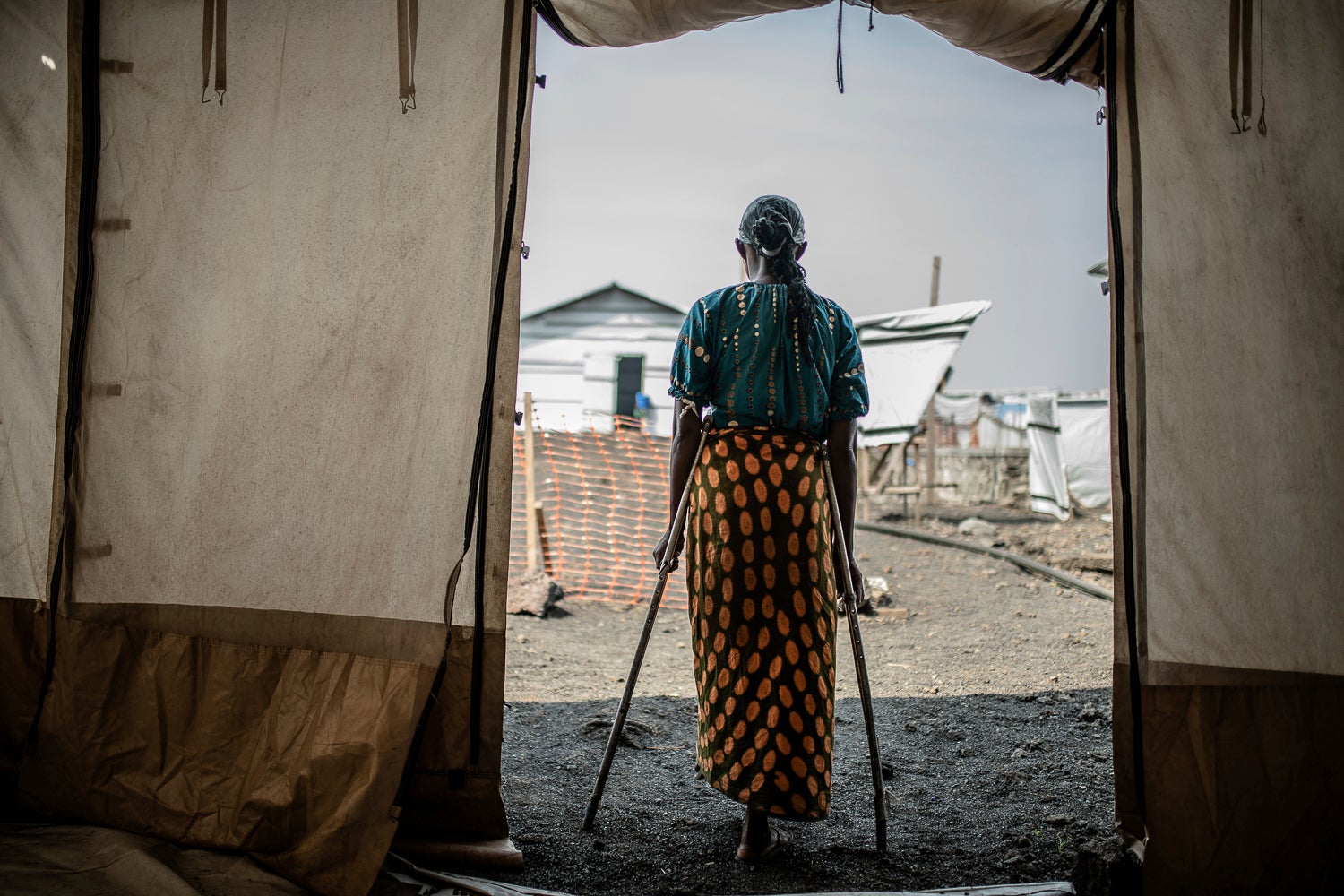
One story stays with me. A pregnant lady told me that when she was walking to get firewood, two soldiers approached her and told her they liked her. She rejected their advances because she has a husband. Despite her protests, they threatened to kill her if she did not comply. A fight ensued, and she was raped. She was five months pregnant at the time.
Afterwards, she went back home and noticed she wasn’t feeling well. She came to me and explained everything in tears. As a parent, I felt her pain, but knew if I showed that I was affected, she’d be reluctant to continue. So, I just listened, consoled her, and then directed her to the clinic, where she was able to get medicine and further help.
This is the reality for women in conflict zones: they lose their bodily autonomy whilst coping with limited resources. Sexual violence is not incidental; it is a weapon of war. It destroys families, spreads fear and leaves deep scars that last a lifetime. Yet despite the trauma, I see remarkable resilience. Those of us supporting survivors of sexual and gender-based violence also carry deep trauma. We hear painful stories daily, with limited support of our own. The one de-traumatisation session available is far from enough, which is why I’m advocating that humanitarian responses include ongoing psychological care for frontline workers as well, so we can continue our work safely and with dignity.
Christian Aid funds and works with us to prevent sexual violence and protect women. Our collaboration is vital as we bring together professionals from other countries, including Kenya and Burundi, who visit to see and discuss how we are working. This aid goes a long way, but the need is still overwhelming. Every time conflict flares, the number of survivors rises, and every time, we must fight to ensure they are not forgotten.
I am just one woman, doing what I can in my community. But I believe change is possible. When survivors find their voice, when communities challenge harmful norms, and when shame turns into pride – that is when healing begins. That is why I will keep going, no matter how hard it gets.
Mwenyechake Zindula Wilhermine is a psychological support worker in the eastern Democratic Republic of Congo
Join our commenting forum
Join thought-provoking conversations, follow other Independent readers and see their replies
Comments
Bookmark popover
Removed from bookmarks