Do we really want to win the ‘League of Least Welcoming Nations’?
The home secretary is indulging in a lurid deportation fantasy with her new Denmark-style asylum policy. And, writes Sunder Katwala, her numbers don’t even add up…


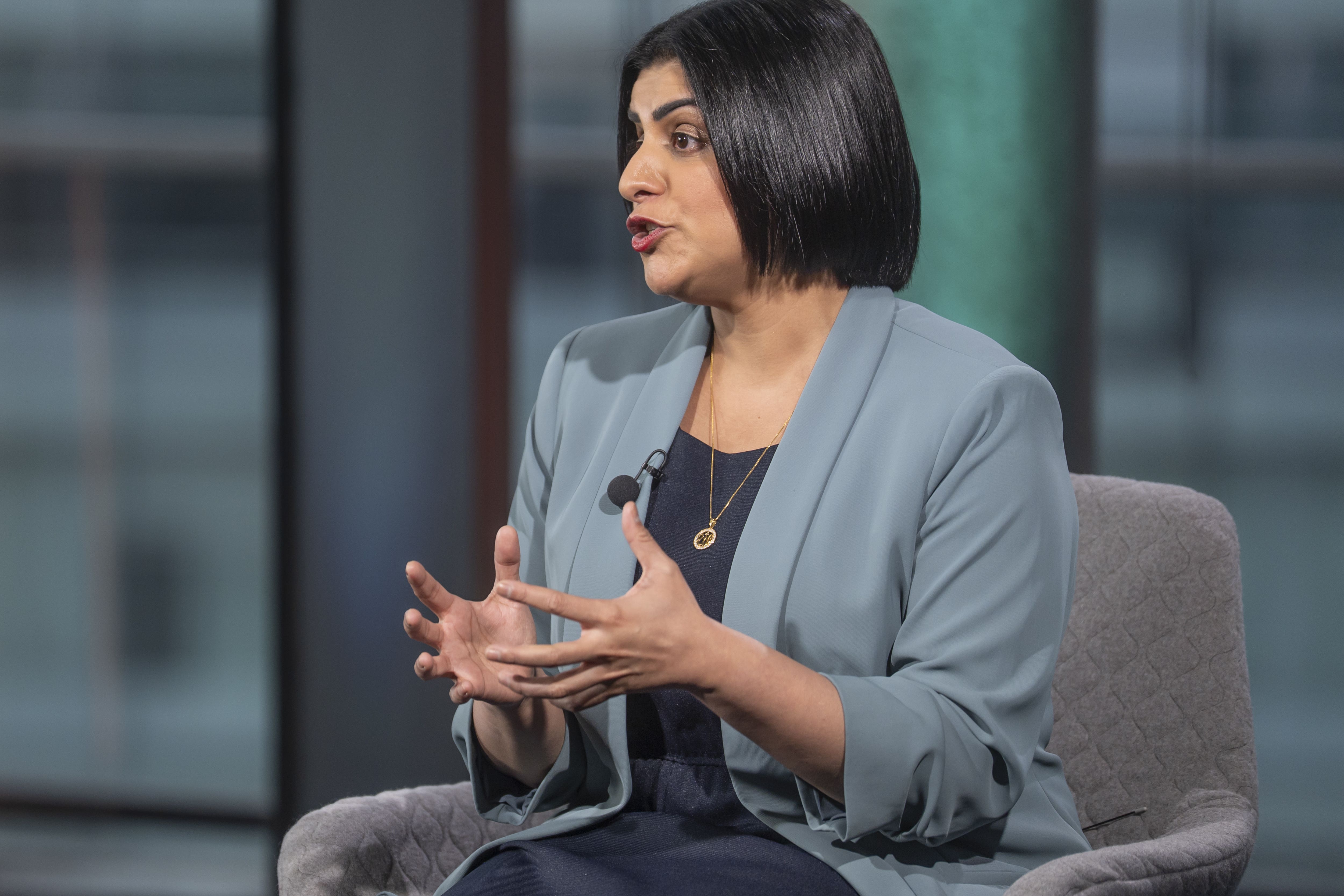
“We have become the destination of choice in Europe – clearly visible to every people smuggler and would-be illegal migrant across the world,” the home secretary, Shabana Mahmood, said to explain why she believes Britain is too generous to asylum seekers.
Officially endorsing the perception that this country is such a soft touch that everybody wants to come here may resonate with the public. But, given that it is simply untrue, it is not a good premise for an immigration plan.
Look up the Home Office’s own accredited statistics. “Destination of choice”, if it means anything, must denote that we are receiving more asylum claims than anybody else. Britain does get one-tenth of the asylum claims across Europe. But Germany takes twice as many, and France, Italy and Spain all receive more than Britain. The UK is fifth in claims received, and 17th by share of population.
Four times as many people claim asylum in France as attempt a further dangerous journey to the UK. There is no simple reason for this. Partly, it is a matter of where people are taken. The languages people speak, and where they know extended family or others from their country can also make a difference. Patterns vary between national groups. Many Afghans applied for asylum in France. Those from Iran or Eritrea had been more likely to apply in Germany or sometimes go on to the UK.
But fifth – even 17th – is not good enough for the Starmer government. It wants our ranking to be far lower. That is the reason for the jealousy of Denmark, which does receive a lower share of asylum seekers than Britain, having spent the last decade building and projecting a reputation for being the least welcoming country to claim asylum in. The home secretary clearly believes that Britain could try to steal Denmark’s top spot in a League of Least Welcoming Nations.
Hence the performative toughness in the weekend newspapers about what the Danish model could bring to Britain. We have historically welcomed refugees to build a new life and become British. Now, Mahmood says, asylum should be temporary, not permanent. People found to have a valid refugee claim could be sent back. “The moment your country is safe to return to, you will be removed,” one Home Office source told The Times.
That is a lurid deportation fantasy. If Britain did adopt this system of rolling renewals, the logjam of failed expatriations would be enormous. Denmark has cancelled the right of Syrian refugees to work in Denmark, but has returned almost nobody to Syria. Its hefty return support payments have had little uptake.
The home secretary had a more balanced voice in the Commons, making her tough case for control while trying to smooth the sharpest edges. The government would not want refugees to wait 20 years for settlement, so it would provide a shorter route for those who studied or worked. Mahmood sounded annoyed to have to rebut the rumours that people’s jewellery could be confiscated on arrival, stating firmly that this was not government policy – despite the story having apparently been briefed to The Sun by someone.
Are refugees in small boats even influenced by such policies? The likely answer is no. There is some weak evidence that asylum seekers do shop around. Britain’s family reunion rules have been more open, but the money we give to asylum seekers is particularly miserly, and people are banned from working while their claim is heard. There is little evidence that asylum seekers know any of this.
What’s more, the “pull factors” analysis makes even less sense given that Rishi Sunak and Suella Braverman failed to stop the boats despite having banned asylum claims completely for small boat arrivals. So performative cruelty clearly has its limits.
A much better way to deliver control, maintain compassion and secure public confidence is to expand controlled routes at scale so there is a queue to join. If Britain is willing to take its fair share, it can cooperate with European neighbours to return those who come without permission. The principle behind the routes-for-returns deal with France needs to be scaled up and extended to other partners. Ultimately, Britain will never be Denmark. Clearly, unless something really drastic happens, we are unlikely to switch to speaking Danish in a bid to reduce the attraction of this country for those who speak English.
We would do much better to fuse control with compassion on asylum, manage immigration well and regain confidence in our increasingly diverse society. The League of Least Welcoming Nations should not be one Britain wants to win.
Join our commenting forum
Join thought-provoking conversations, follow other Independent readers and see their replies
Comments
Bookmark popover
Removed from bookmarks