YouTube feels like TV should – no wonder people choose it over the BBC
The streaming giant YouTube has overtaken the BBC in viewer figures for the first time, writes Sophie Wilkinson. Is anyone surprised?


Last year, it overtook ITV, and now it’s overtaken the BBC. According to the rating agency Barb, 52 million people watched YouTube on their televisions, smartphones or laptops in December, while 50.8 million Britons watched the BBC in any format. Frankly, I’m surprised that anyone is surprised.
If watching Beeb content can feel like entering a smart dining room with a sommelier to take you through the wine pairings, YouTube is like barging through Camden market’s deep-fried Chinese takeaway food, festooned with brightly-coloured slop and crunchy carbs, not just in single-subject channels worthy of a university – and the BBC itself posts plenty of content across its YouTube channels – but in endless servings of naughty, low-brow E-numbers. And I wouldn’t have it any other way.
YouTube’s diversity, algorithm and presence on the new generation of smart TVs have all helped the 20-year-old streaming giant overtake our 103-year-old auntie in the war for the UK’s divided attention, even though the BBC has plenty of its own visual carbs to offer.
With little requirement to fact-check or supply any balance, YouTube’s content creators can say whatever they want, however they want to say it, depending on their type of content and audience. Plenty of BBC staff would love to be more reactive, but the Beeb’s charter means that it is duty-bound to please all of the people all of the time.
Personally, I watch about three times as much content on social media as I do on BBC iPlayer. Bar PMQs, The Traitors is perhaps the only thing that gets me watching live TV. That show has truly capitalised on the vibe that nobody, anywhere, trusts anyone anymore.
But YouTube can play far more roles than TV ever did. Some of the most popular formats out there, like unboxing videos and ASMR, scratch itches at a level that high-powered media executives could only dream of reaching. These formats could not exist on TV because they rely on a rise in single-viewer streaming, interactivity, comments and user feedback.
Here is where YouTube thrives and traditional terrestrial TV falls. It can offer easy beginning-middle-end narratives, but so many of them relate to real-world experience. For me, it’s the guy who travels across London without walking down a road or canal, or the woman who hit a 15-minute 5km at the Battersea parkrun. Users crave simulations of human connection that do something far more similar to knocking shops’ “girlfriend experience” than to anything we’ve seen on TV (that’s intimacy, FYI).
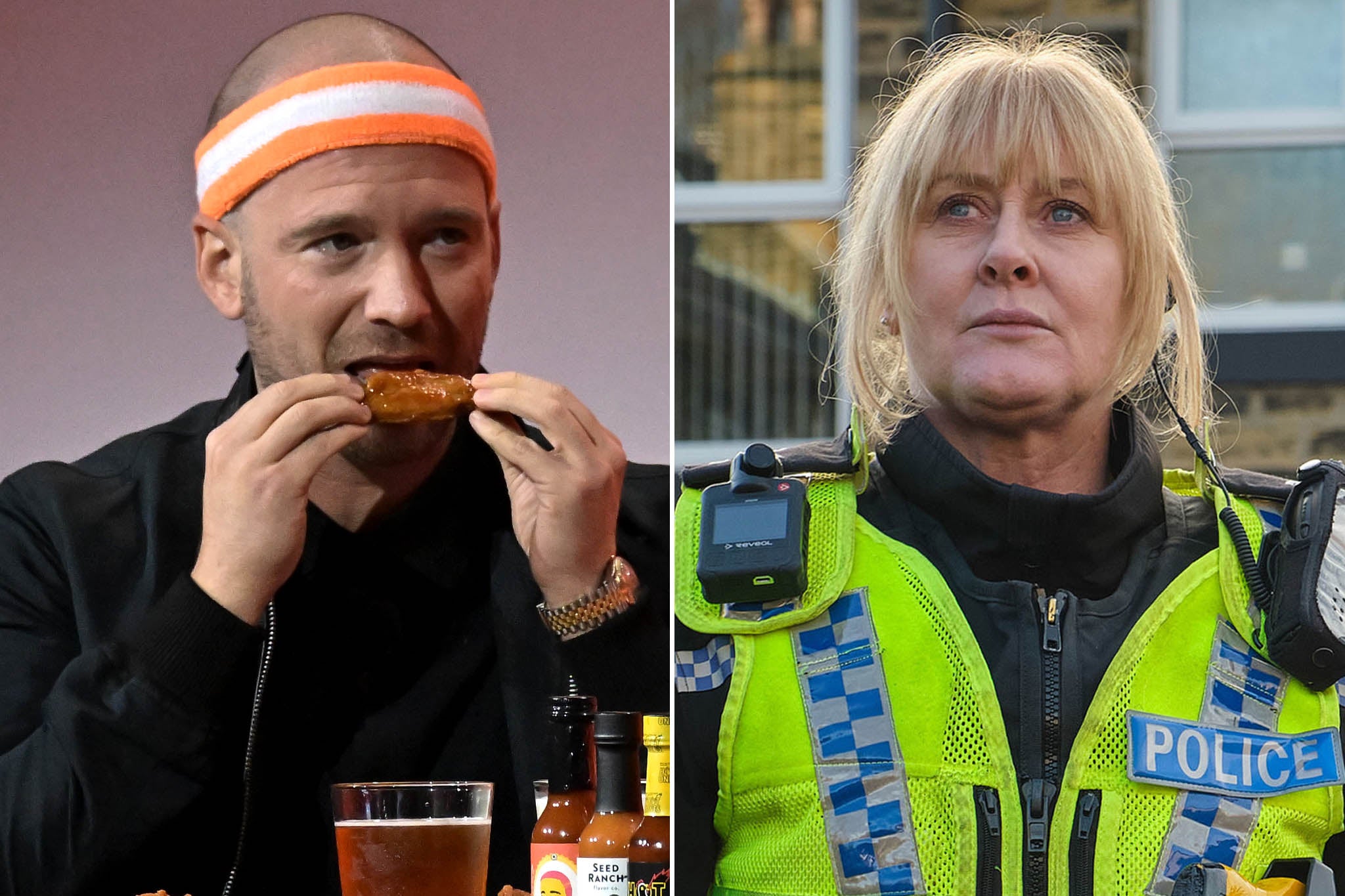
Marina Hyde recently explored OnlyFans for The Rest Is Entertainment podcast (now also on YouTube, of course, as all the big shows are), showing how subscribers aren’t just looking for traditional stripping and sex acts, but customised content and direct communications with their favourite models. Similarly, whether it’s beauty demos, earnest presenters, or point-of-view filming, much of YouTube’s content makes a similar attempt to offset the isolation we can feel through constantly watching screens.
Yet, they never quite hit the mark, which is how I can watch a 15-minute compendium of osteopathic neck cracking and still be unsatisfied. Researchers have repeatedly found that tapping through online content is like playing the slot machines in terms of the little doses of dopamine that users receive.
Ultimately, the BBC has to take its time and, you know, pay its workers, while YouTube has presenters and editors working on this stuff for free, with the carrot of monetisation dangling ahead, or – and perhaps scariest of all – blind ideological obligation pushing them to create. I wonder how many people prefer YouTube to the BBC because it gives them this semblance of control. After all, if societal distrust can turn The Traitors into must-watch terrestrial TV…
Join our commenting forum
Join thought-provoking conversations, follow other Independent readers and see their replies
Comments
Bookmark popover
Removed from bookmarks