Sentimental Value review – Stellan Skarsgård powers this starry, Oscar-tipped tale of generational trauma
The Scandi great plays a distant filmmaking father in Joachim Trier’s emotional follow-up to ‘The Worst Person in the World’
There’s a sad moment in Rebecca Miller’s recent documentary portrait of Martin Scorsese, simply titled Mr Scorsese, in which his middle child, Domenica Cameron-Scorsese, describes what it was like to feature in a small role in his 1993 film, The Age of Innocence. The director’s been open about where he’s failed as a father, and has since tried to make amends (and be more present, too, in the life of his youngest, Francesca – hence the TikTok cameos).
But that wasn’t quite the case for all of Domenica’s childhood. And you can sense the tiny thunderclap of grief that passes across her features when she describes the kind of love and attention she witnessed that day – not as a daughter, but as an actor. She remarks, “if you’re not there in that sphere of light, you can feel its absence.”
The absence burns holes, acidic but silent, in the hearts of two daughters in Sentimental Value, Joachim Trier’s follow-up to The Worst Person in the World (2021). That film pushed the director, already an institution in his native Norway, onto a truly international stage (it was nominated for two Academy Awards). Perhaps because of it, Sentimental Value moves with somewhat cleaner emotions than his acclaimed Oslo Trilogy – The Worst Person in the World, Reprise (2006), and Oslo, 31 August (2011) – which stitched tenderness into the seams of the messiest people you know. Still, Trier is a keen observer in any mode.
The Scorsese in question here is the (fictional) celebrated director Gustav Borg (Stellan Skarsgård). He walked out on his two daughters, stage actor Nora (Worst Person’s Renate Reinsve) and Agnes (Inga Ibsdotter Lilleaas), when they were children. When she was small, he cast Agnes as the star of one of his famous pictures. She’s the least bitter of the two, the one who got to exist, at least for a little while, “in that sphere of light”.
He’s returned now, after their mother’s death, with a script in hand for a film he believes will mark his comeback. He insists Nora should play the lead, a mother who dies by suicide in the final scene, in the exact same fashion as his own mother. Nora is repulsed by the offer. He doesn’t know her, as a daughter or an artist. Instead, Gustav casts a young American star, Rachel Kemp (Elle Fanning), who doesn’t feel known by anyone. We see Nora, curled up in anguished tears. The camera pulls back and we realise she’s performing on stage.
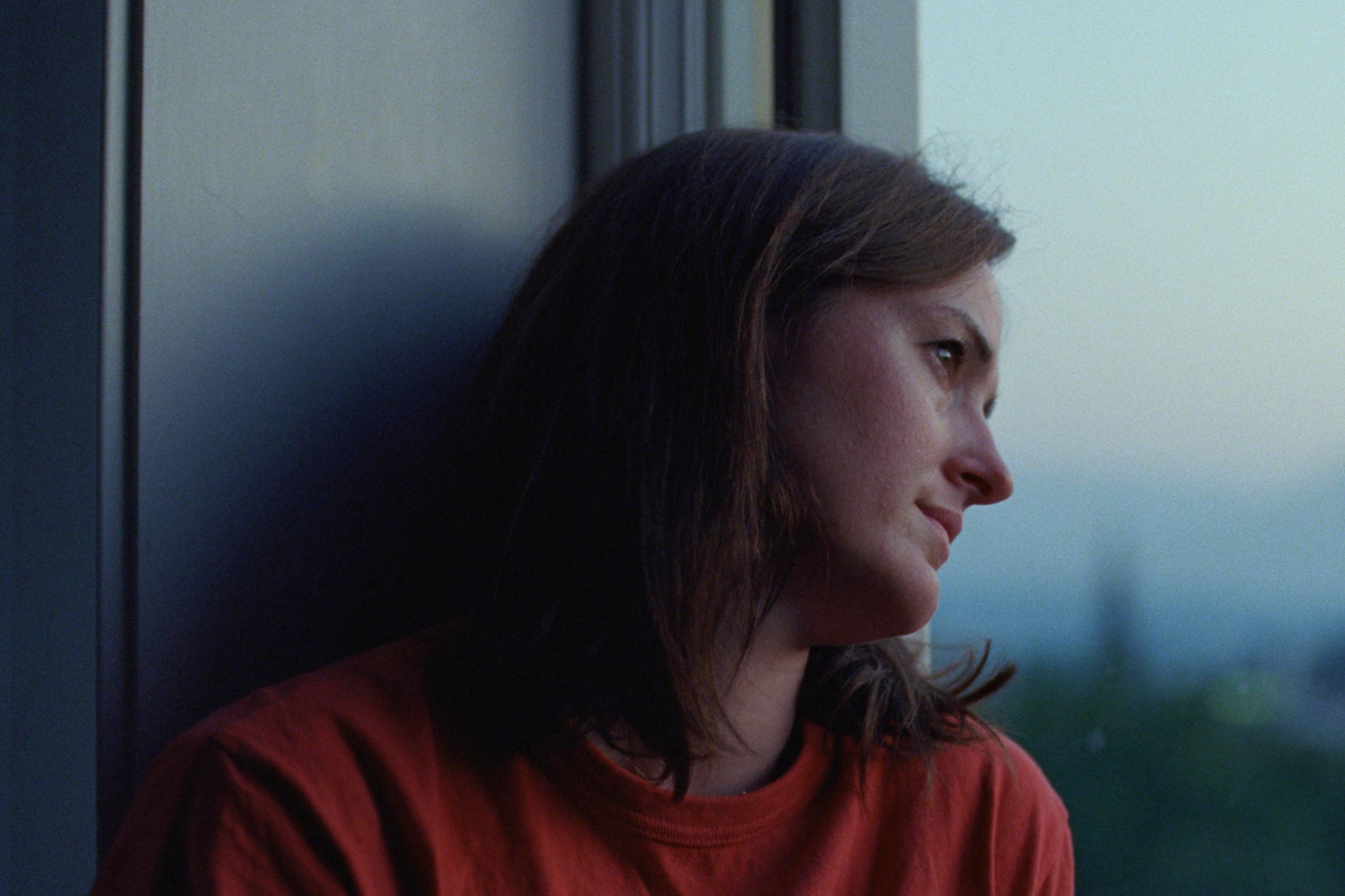
There’s some wonderful, delicate work from the entire cast here, yet Sentimental Value teeters ultimately on Skarsgård and Reinsve, and their characters’ conference of generational trauma. Skarsgård brings some of his own legacy – as one of Scandinavia’s finest – to the work here. There’s a weight and a weariness, a twinkle in the eye, and a strain in the smile.
Gustav never means to maim; he simply can’t differentiate between a conversation and an interview with Cahiers du Cinéma. He gives his 10-year-old grandson copies of The Piano Teacher (2001) and Irreversible (2002) for his birthday (the cinephiles in the audience will undoubtedly laugh – Trier, paired again with his regular co-writer Eskil Vogt, can be very funny at times). Nora has inherited the twinkle and the strain, though she’d be loath to admit it.
Sentimental Value doesn’t argue that art heals all wounds, but that it’s sometimes the only recourse for honest expression. If it’s a little less messy than we’d hope for with Trier – well, then it argues beautifully for why it’s a blessing that those messier films exist in the first place.
Dir: Joachim Trier. Starring: Renate Reinsve, Stellan Skarsgård, Inga Ibsdotter Lilleaas, Elle Fanning. Cert 15, 133 minutes.
‘Sentimental Value’ is in cinemas from 26 December
Join our commenting forum
Join thought-provoking conversations, follow other Independent readers and see their replies
Comments
Bookmark popover
Removed from bookmarks