Steve Cropper death: Legendary guitarist for Booker T & the MGs and Blues Brothers dies aged 84
Steve Cropper co-wrote classic songs such as ‘(Sittin' on) the Dock of the Bay’ and ‘In the Midnight Hour’

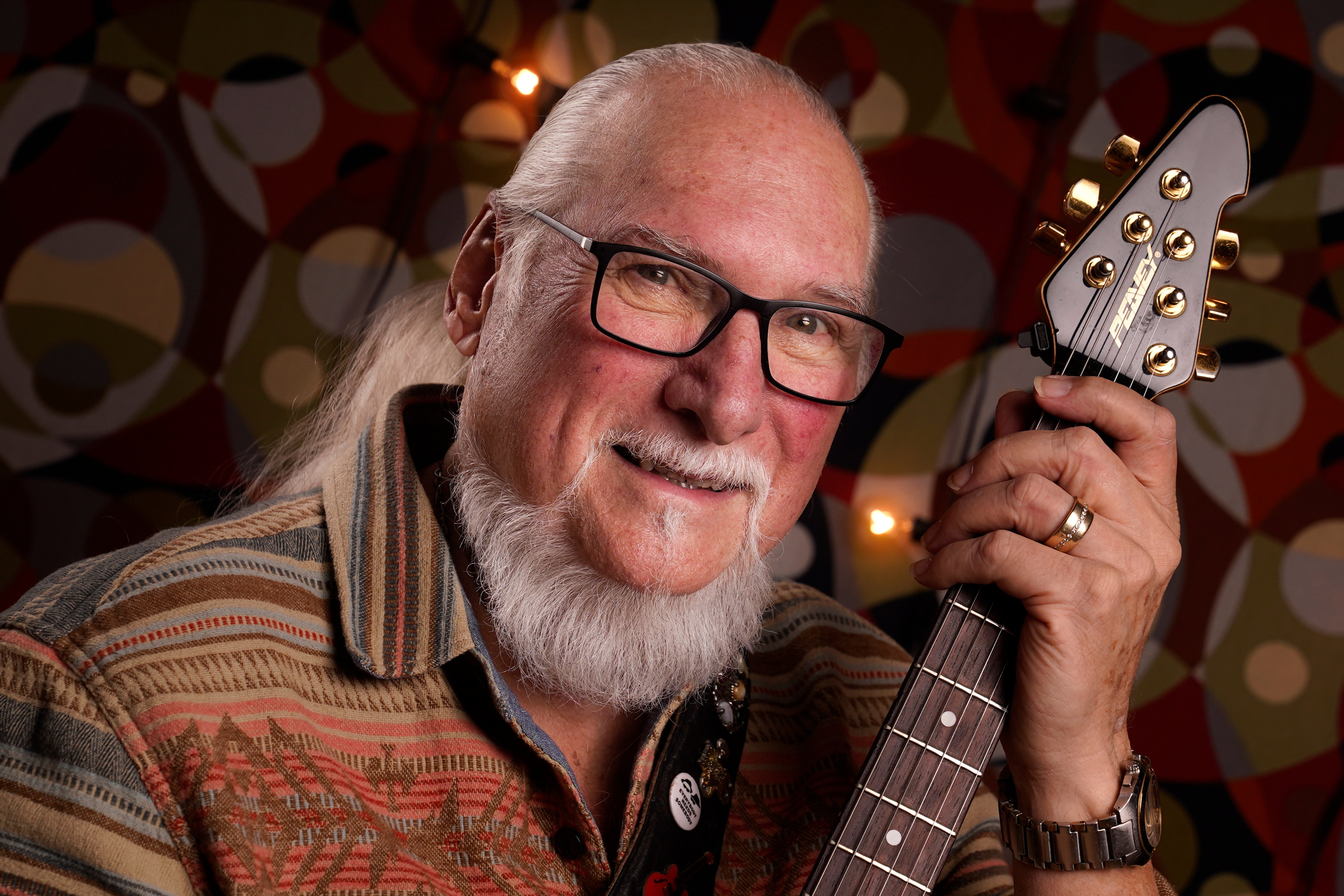
Steven Lee “Steve” Cropper — the gifted guitarist, songwriter, and record producer whose understated playing helped define the sound of Southern soul — has died. He was 84 years old.
Pat Mitchell Worley, president and CEO of the Soulsville Foundation, told the Associated Press that she was informed of Cropper’s death by his family. He died on Wednesday in Nashville, Tennessee, she said.
Cropper’s unmistakable playing drove Booker T. & the M.G.’s 1962 instrumental “Green Onions,” still one of the most recognisable riffs in popular music. He co-wrote Otis Redding’s “(Sittin’ On) The Dock of the Bay,” and contributed to Wilson Pickett’s “In the Midnight Hour.”
The guitarist, songwriter and record producer was not known for flashy playing, but his spare, catchy licks and solid rhythm chops helped define Memphis soul music. His very name was immortalized in the 1967 smash “Soul Man,” recorded by Sam & Dave. Midway, singer Sam Moore calls out “Play it, Steve!” as Cropper pulls off a characteristically tight, ringing riff, a slide sound that Cropper used a Zippo lighter to create. The exchange was reenacted in the late 1970s when Cropper joined the John Belushi-Dan Aykroyd act “The Blues Brothers” and played on their hit cover of “Soul Man.”
Cropper was born near Dora, Missouri, but moved with his family to Memphis when he was 9 and got his first mail-order guitar at age 14, according to his website, playitsteve.com. Chuck Berry, Jimmy Reed and Chet Atkins were among his early influences.
Cropper was a Stax artist before the label was even called Stax, which Jim Stewart and Estelle Axton had founded as Satellite Records in 1957. In the early 1960s, Satellite signed up Cropper and his instrumental band the Royals Spades. The band soon changed its name to the Mar-Keys and had a hit with the funky “Last Night.” Satellite soon was renamed Stax; a California label with the same name had threatened legal action.
At Stax, some of the Mar-Keys became the label's horn section while Cropper and other Mar-Keys eventually formed Booker T. and the MG’s. Featuring Cropper, keyboard player Booker T. Jones, bassist Donald “Duck” Dunn and drummer Al Jackson, Booker T. and the M.G.'s were known for their hit instrumentals “Green Onions,” “Hang ‘Em High” and “Time Is Tight,” and backed Otis Redding, Sam & Dave and other artists. The racially integrated band, a rarity in its day, was so admired that even non-Stax artists recorded with them, notably Wilson Pickett.
In the mid-1960s, Atlantic Records executive Jerry Wexler brought Pickett to Memphis to work with the Stax musicians. During a 2015 gathering with the National Music Publishers Association, Cropper acknowledged he had never heard of Pickett before working with him. He found some gospel recordings by Pickett, was taken by the line “I’ll see my Jesus in the midnight hour" and with a slight change helped write a secular standard.
“The man up there has been forgiving me for this ever since!” he said.
Cropper was inducted into the Rock and Roll Hall of Fame in 1992 as a member of Booker T. and the M.G.'s. The same year, Cropper, Dunn and Jones were part of the house band for an all-star tribute at Madison Square Garden to Bob Dylan, with other performers including Neil Young, George Harrison and Stevie Wonder. (Al Jackson died in 1975, Dunn in 2012).

Enjoy unlimited access to 100 million ad-free songs and podcasts with Amazon Music
Sign up now for a 30-day free trial. Terms apply.
ADVERTISEMENT. If you sign up to this service we will earn commission. This revenue helps to fund journalism across The Independent.
Enjoy unlimited access to 100 million ad-free songs and podcasts with Amazon Music
Sign up now for a 30-day free trial. Terms apply.
ADVERTISEMENT. If you sign up to this service we will earn commission. This revenue helps to fund journalism across The Independent.
Rolling Stone magazine ranked Cropper 39th on its 100 Greatest Guitarists list, calling him “the secret ingredient in some of the greatest rock and soul songs.”
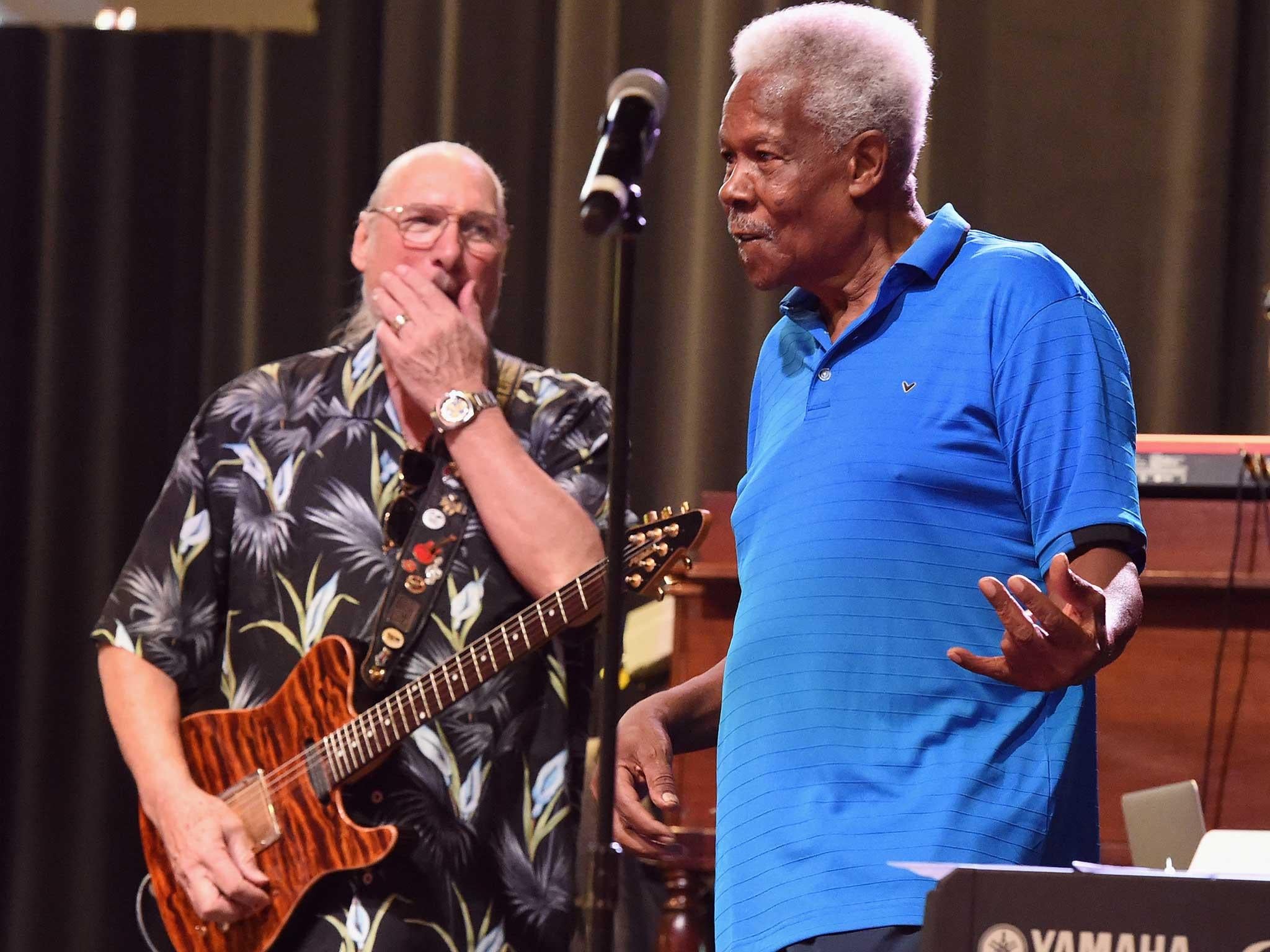
He played guitar on hits by Eddie Floyd, Wilson Pickett and many others, but was especially close to Redding. In an interview on his website, Cropper recalled collaborating on “(Sittin' on) the Dock of the Bay,” completed shortly before Redding’s death in a December 1967 plane crash and a No. 1 hit in 1968.
The brooding, folkish ballad was a departure from Redding’s signature soul sound and a bittersweet reflection on his triumphant appearance a few months earlier at the Monterey Pop Festival. Cropper would remember adding the final touches on the recording while still grieving for Redding.
“We had been looking for the crossover song,” he said. “This song, we knew we had it.”
Cropper was in the 1980 movie "The Blues Brothers" and its follow-up, "Blues Brothers 2000," portraying "The Colonel" in the Blues Brothers band. In real life, he toured with them.
He was inducted into the Songwriters Hall of Fame in 2005 in New York City, and two years later received a Grammy Award for lifetime achievement.
Additional reporting by the Associated Press
Bookmark popover
Removed from bookmarks