TV fans have become too entitled – but showrunners only have themselves to blame
Netflix is encountering an online revolt over ‘Stranger Things’, but this is just the latest evidence of a dilemma facing creators and streaming services who have indulged viewers for too long, argues Rachel McGrath
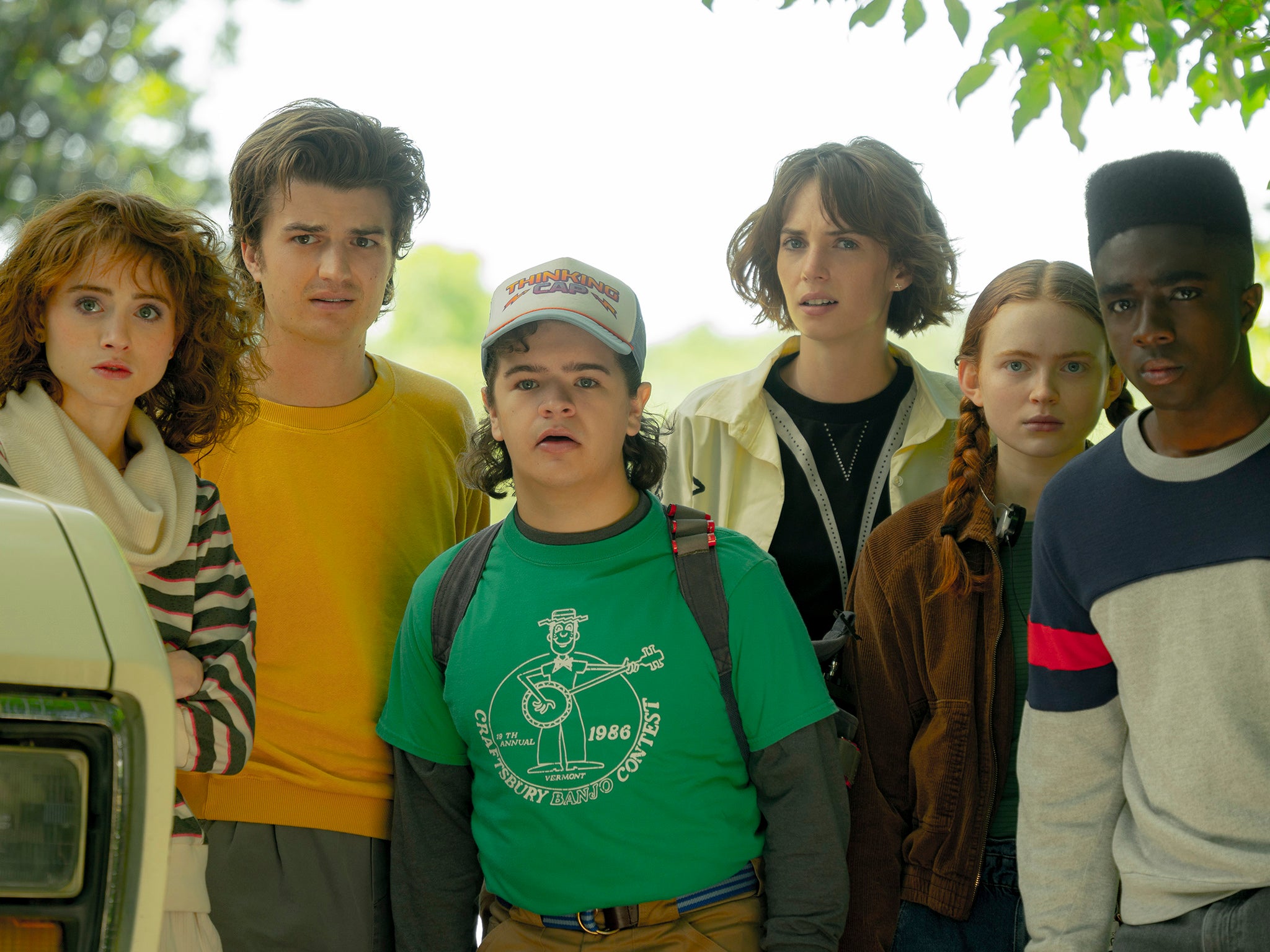
Nine years after Netflix introduced us to the town of Hawkins and its Dungeons and Dragons-loving school kids, Stranger Things is finally reaching its conclusion. The second half of season five arrived on Boxing Day, teeing up the drama’s two-hour-long finale, which drops on New Year’s Day. Unfortunately, things aren’t going according to plan.
Rather than creating yet more hype for the conclusion of one of its flagship shows, season five volume two has proven disappointing for viewers, many of whom were hoping for a little more action and at least one shock death thrown in for good measure. The situation has not been helped by volume two’s “Twixmas” release date, which has meant that many Stranger Things fans have little better to do than spend hours on social media, descending into a frenzy over what may have gone wrong and how the latest episodes could be retrospectively improved.
This backlash cycle follows an all-too-familiar pattern. It typically starts with a streaming service releasing the latest season of a much-hyped series, which then sparks an outcry over some perceived issue with a character or plot point, to be swiftly followed by a change.org petition. Signing an online document might seem futile, but given that similar petitions have succeeded (Exhibit A: Zack Snyder’s Justice League), you can’t blame fans for trying. Some Stranger Things castmembers, though, have already had enough. Randy Havens, who plays Hawkins Middle School teacher Scott Clarke, shared a rather snarky post to Instagram that said: “There is no Snyder Cut of the show, please don’t believe everything some random a** tells you on the internet.”
And while Netflix has never issued a fresh edit of a show in response to fan uproar, the streaming service does have a history of embracing its audience’s wants, paving the way to this hell of their own making. Stranger Things’ showrunners, the Duffer brothers, recently revealed which characters were nearly killed off. It turns out that fan favourite Steve Harrington was only supposed to be in the first series, but they ended up keeping him alive long enough for him to form an adorable friendship with Dustin Henderson. Well aware of how much fans love the pair, Netflix have been actively teasing their fate in promotional materials for series five.
Elsewhere, it has revived programmes following fan-led petitions, including heavy-hitter Arrested Development and fantasy-comedy-drama Lucifer, which was dropped by its original broadcaster Fox after three seasons. Netflix’s rescue allowed for a proper conclusion instead of ending on a cliffhanger, and it was rewarded as the show became one of its biggest hits. But, as it is being reminded now, if you indulge fans too much, you run the risk of nurturing a dangerous sense of entitlement. If a fandom is left unimpressed – having been led to believe they have sway over a show’s development – you can soon have a revolt on your hands.
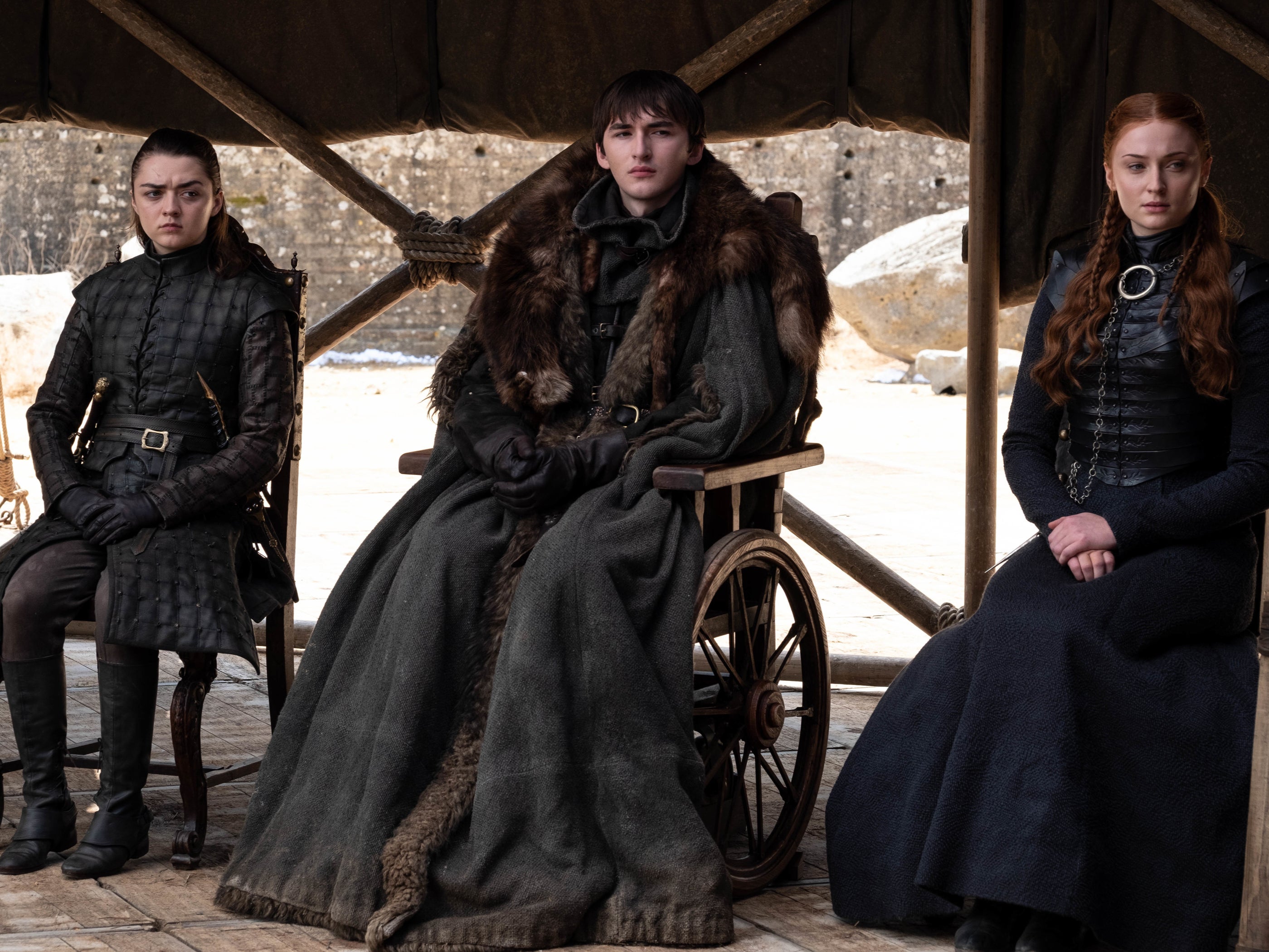
I do have sympathy for those who feel let down by a narrative arc; believe me, I’ve been there. Back in 2019, I was one of the millions left burnt by the truly disastrous final season of Game of Thrones. My excitement level had been so high that, fuelled by a fear of seeing spoilers, I essentially adopted a medieval sleeping pattern, setting an alarm for 2am each Monday so I could wake up and watch the newest episode before going back to bed, then getting up again and going to work.
The dimly lit scenes and mind-boggling plot decisions I saw in those bleak, nighttime hours cast a shadow so large that I still can’t bring myself to rewatch any GoT episodes. There were, of course, petitions for a do-over signed by almost a million fans, something actor Sophie Turner, who played Sansa Stark, branded “disrespectful”. She’s right: being a fan of something does not, and should not, grant you any kind of sway over how a show unfolds. Enjoying any form of culture means putting your faith in the showrunners, actors, musicians, directors or writers to deliver. Sometimes they pull through, sometimes they don’t. Hey, not everything can end as perfectly as Succession.
And besides, pure fan service never works. Sherlock writer Mark Gatiss leaned in a little too hard as Benedict Cumberbatch marked his final outing as Sir Arthur Conan Doyle’s much-loved detective, explicitly referencing Sherlock-Moriarty fan-fiction with a near-kiss and even introducing fan characters who were obsessed with Holmes in the show. It was – everyone but the most diehard of fans agreed – overkill. Netflix’s animated series The Legend of Korra faced similar accusations over its final season, while Pretty Little Liars’ curtain call featured a dizzying roster of returning guest stars and cameos that clearly put online engagement before the storyline.
So how can showrunners find a balance? I’d suggest tuning out the noise altogether, which means not indulging it, pandering to it, or even reading it in the first place. Netflix has fanned the flames of the Stranger Things audience so much that the Duffer brothers must have been left wondering how on earth they were going to satisfy everyone. They’re already starting 2026 with detailed breakdowns of their creative decisions, which – if Game of Thrones-gate is anything to go by – they’ll likely have to defend for months if not years to come. Happy New Year, indeed.
Join our commenting forum
Join thought-provoking conversations, follow other Independent readers and see their replies
Comments
Bookmark popover
Removed from bookmarks